
YOLO and Segment Anything Integration in Token-Rewarded Data Labeling Tools

In the fast-evolving world of AI development, data labeling remains a critical yet labor-intensive step. Enter the powerhouse duo of YOLO and Segment Anything models, now weaving their magic into token-rewarded AI labeling tools. This integration isn’t just about speed; it’s a paradigm shift that empowers global contributors to deliver pixel-perfect annotations while earning cryptocurrency rewards on platforms like tokenincentivizeddata. com. By combining YOLO’s rapid object detection with SAM’s promptable segmentation, labeling workflows become intuitive, scalable, and economically viable for blockchain-powered AI projects.

YOLO, or You Only Look Once, has long been the go-to for real-time object detection. Its efficiency in spotting bounding boxes across images makes it ideal for initial passes in annotation pipelines. But here’s where it gets exciting: pair it with Segment Anything, Meta’s groundbreaking model that segments any object with minimal input, and you unlock unprecedented precision. In my experience managing diverse portfolios, I’ve seen how such synergies amplify returns; similarly, in data labeling, this combo slashes time from hours to minutes, letting token-earning labelers focus on refinement rather than rote work.
YOLO’s Speed Meets Token Incentives
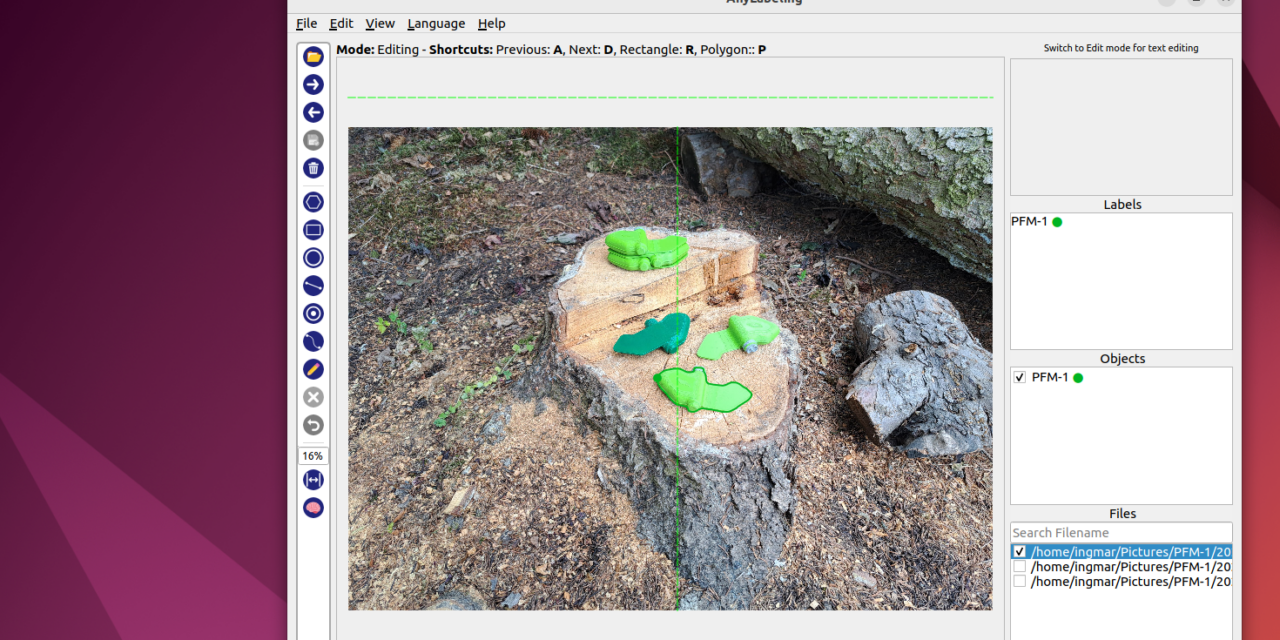
Traditional labeling demands endless clicks and zooms, often leading to fatigue and errors. YOLO flips the script by automatically generating bounding boxes, which contributors then verify for token payouts. Tools like AnyLabeling harness YOLOv8 to auto-label datasets, supporting formats from COCO to YOLO itself. This isn’t hype; Ultralytics docs highlight how YOLO preps data for further training, creating a virtuous cycle. For blockchain vision annotation, where accuracy drives model performance and token value, YOLO ensures high-velocity throughput. Contributors on incentivized platforms thrive here, as faster labeling means more tasks completed and more rewards claimed.
Quick YOLOv8 Object Detection Workflow in AnyLabeling
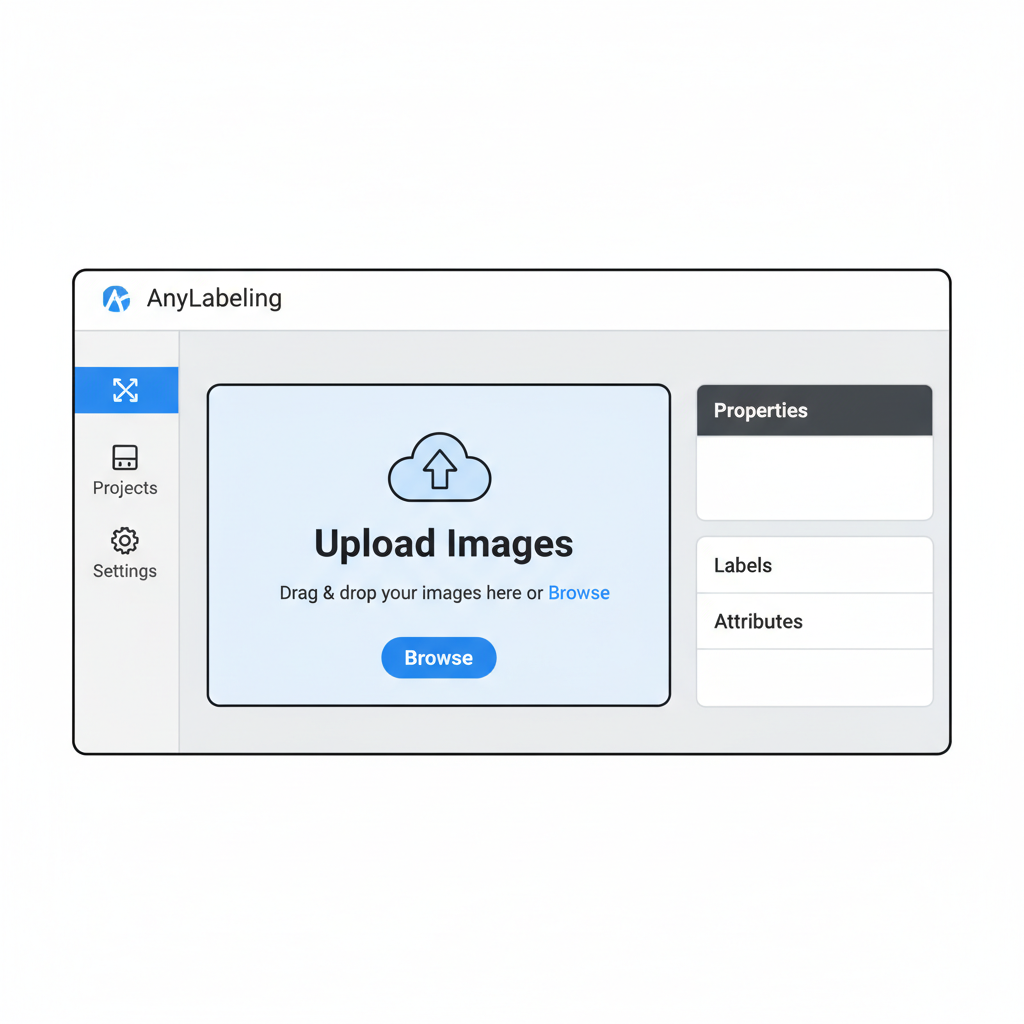
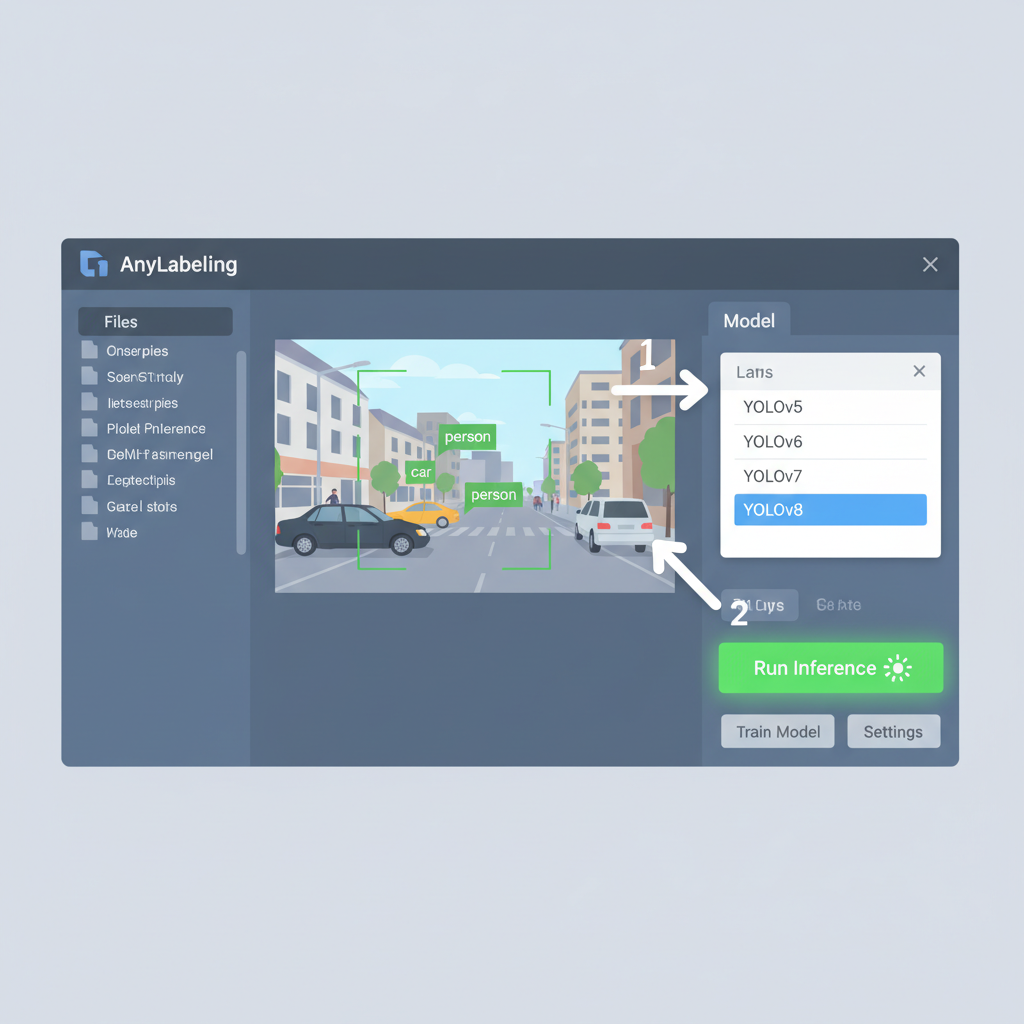
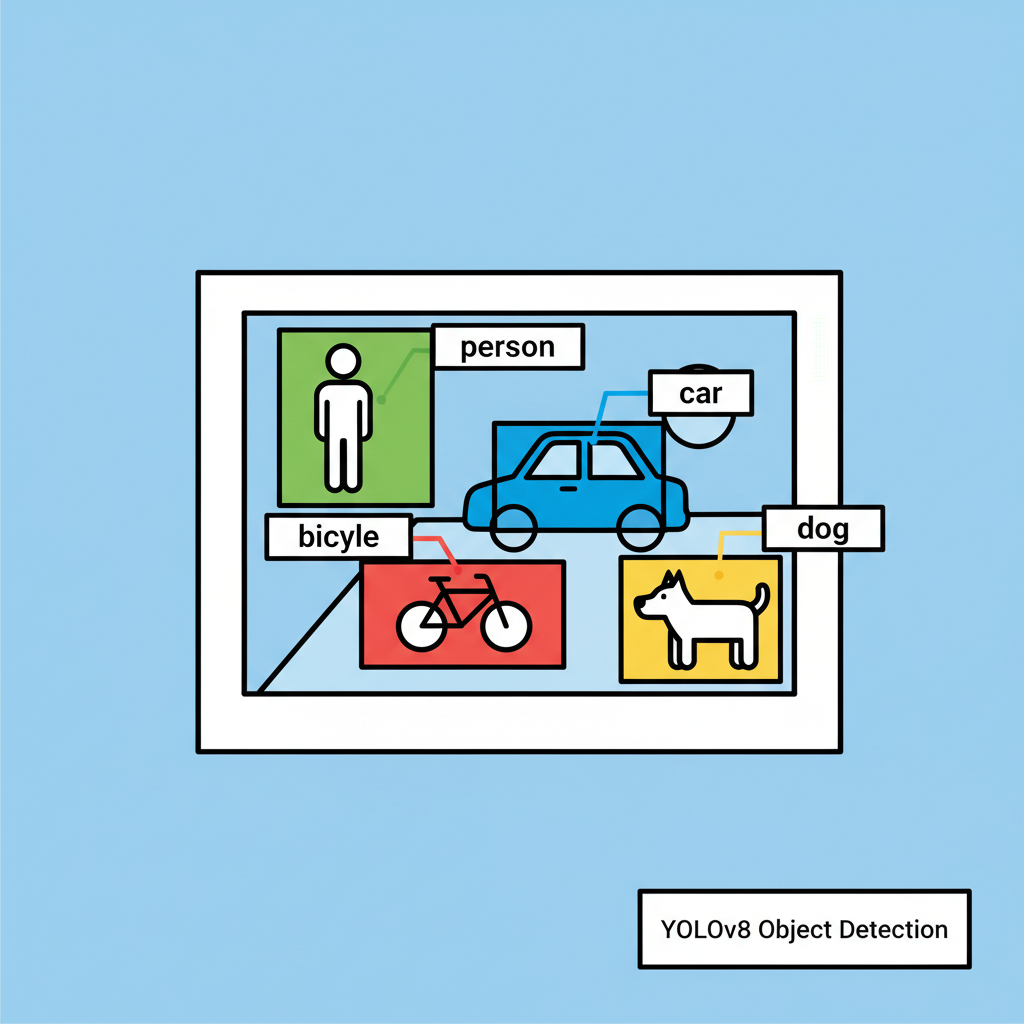
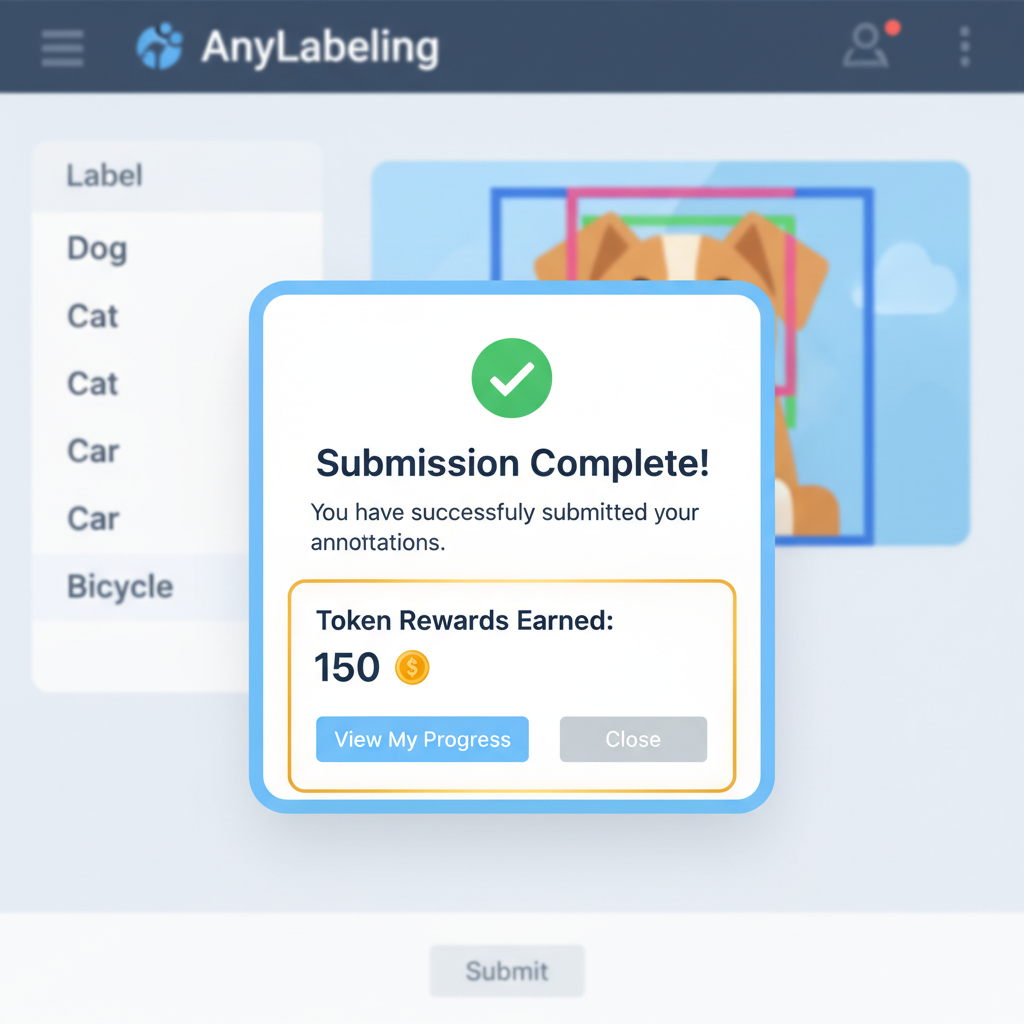
Consider the workflow: upload images, trigger YOLO inference, and watch boxes appear. A contributor tweaks as needed, submits, and blockchain transparency logs the quality score tied to tokens. This model scales globally, drawing diverse eyes to edge cases that siloed teams miss. I’ve always believed diversification mitigates risk; in labeling, blending human oversight with YOLO’s consistency diversifies annotation quality, boosting downstream AI reliability.
Segment Anything Elevates Precision
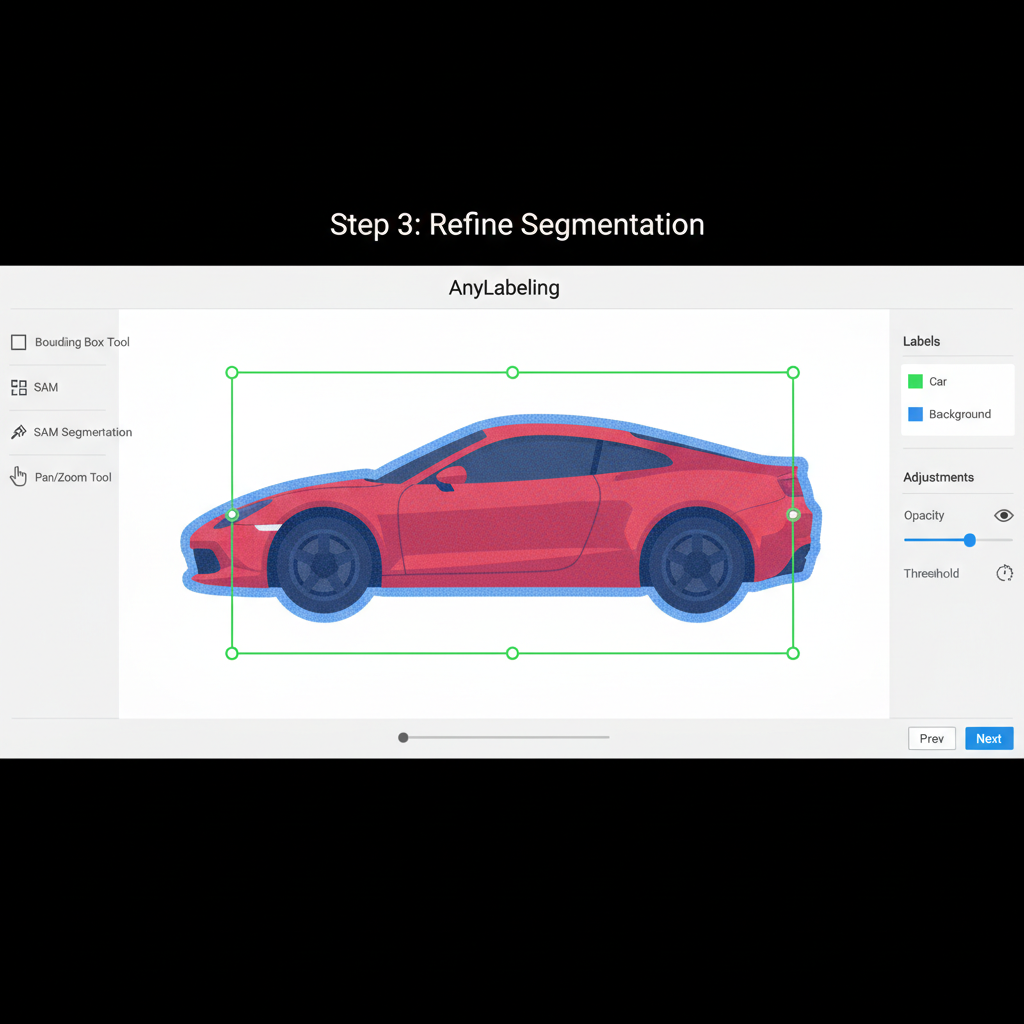
Where YOLO detects, SAM delineates. This model, born from Meta AI, excels at zero-shot segmentation, cutting out objects via points, boxes, or masks with a single prompt. Label Studio integrates it seamlessly, allowing one-click extractions that propel workflows forward. In token-rewarded ecosystems, SAM’s versatility shines: labelers refine YOLO outputs into masks, earning premiums for intricate polygons vital to semantic segmentation tasks.
Roboflow’s launch of SAM labeling underscores practical gains, with best practices emphasizing iterative refinement. Pairing it post-YOLO, as in Labelbox guides, chains detections into segments automatically. This tandem reduces cognitive load, letting contributors handle complex scenes like crowded streets or medical scans. Opinion: in an era of foundation models, ignoring SAM-YOLO integration is like ignoring bonds in a volatile portfolio; it stabilizes and enhances yields.


Spotlight on Cutting-Edge Tools
AnyLabeling leads as an open-source champion, built on Labelme with AI smarts for both models. It supports auto-labeling, track-free annotations, and exports galore, perfect for YOLO Segment Anything data labeling tokens. X-AnyLabeling ups the ante with video support and remote inference, ideal for dynamic datasets. These tools democratize access, enabling startups to compete with enterprises via incentivized crowdsourcing.
Galaxy Community Hub raves about effortless labeling, while Reddit threads debate chaining detections sans interruptions, signaling real-world tweaks. Vietanh. dev positions AnyLabeling as the smart choice for accuracy. In token ecosystems, such platforms align incentives: superior tools yield better data, stronger models, higher token utility. Medium posts detail the detect-then-segment pipeline, proving empirical speedups. As datasets balloon for computer vision apps, this integration isn’t optional; it’s the backbone for scalable, rewarded excellence.
Navigating global economic shifts has taught me adaptability’s value. So too in AI: YOLO-SAM tools adapt to user needs, fostering ecosystems where contributors and developers both win through transparent blockchain rewards.