

Tokenized Data Labeling Markets for Attention-Based AI Training Datasets

In the rapidly expanding world of artificial intelligence, high-quality datasets form the bedrock of progress, especially for attention-based models that power everything from language processors to image recognition systems. Tokenized data labeling markets emerge as a compelling evolution, blending blockchain incentives with crowd-sourced precision to fuel these datasets. As the global AI training dataset market barrels toward USD 9.58 billion by 2029, traditional providers like Scale AI and Appen face mounting pressures from decentralized alternatives that promise scalability without centralized bottlenecks.

Attention-based architectures, reliant on mechanisms like transformers, demand meticulously labeled data to capture nuanced patterns in text, images, and even social signals. Here, tokenized attention labeling datasets shine by rewarding contributors with cryptocurrency for accurate annotations, fostering a global workforce unbound by geography or corporate hierarchies. This shift aligns with broader trends where blockchain secures data provenance, ensuring labels are tamper-proof and verifiable.
From Centralized Giants to Decentralized Incentives
Dominant players such as AWS and Together. ai excel in streamlined data preparation, yet their models often grapple with escalating costs and quality variance. Enter blockchain-driven platforms that tokenize contributions, turning data labeling into a vested economic activity. Projects like OCEAN exemplify this: its native token facilitates payments for data services, staking for curation, governance participation, and direct incentivization of quality inputs, as highlighted in recent arXiv analyses questioning the depth of decentralized AI.
Similarly, OORT leverages token incentives to crowdsource image training data, challenging centralized incumbents despite early hurdles, per discussions on Reddit’s r/ethdev. These initiatives decentralize not just computation but the very essence of data creation, vital for attention mechanisms that thrive on diverse, high-fidelity inputs.
Blockchain Innovations Fueling Tokenized Markets
Research from IIT Kharagpur underscores blockchain’s potential for secure data sharing in AI training, proposing token-based mechanisms to align individual efforts with collective model improvement. Sahara AI positions blockchain as ideal for data labeling’s future, decentralizing collection to mitigate biases inherent in siloed datasets. ChainCatcher’s coverage of breakthroughs reveals projects achieving distributed storage of labeled data, bolstered by tokens that enforce transparency and fairness.
Leading Tokenized Data Labeling Projects
-

Ocean Protocol (OCEAN): Provides multi-purpose token incentives for data services, staking for curation, governance, and data sharing in AI training.
-
OORT: Uses token incentives to crowdsource high-quality image data for AI model training.
-
OpenLedger: Specializes in blockchain mechanisms for incentivizing data and AI model contributions.
OpenLedger stands out in Medium reports as a blockchain AI specialist honing incentive structures for data and models. Galaxy’s insights on decentralized training networks like Nous, Prime Intellect, and Templar further illustrate crypto’s propulsion of open AI, where tokens reward not just labeling but validation layers crucial for attention-based reliability.
Navigating Decentralized Label Markets Amid Growth
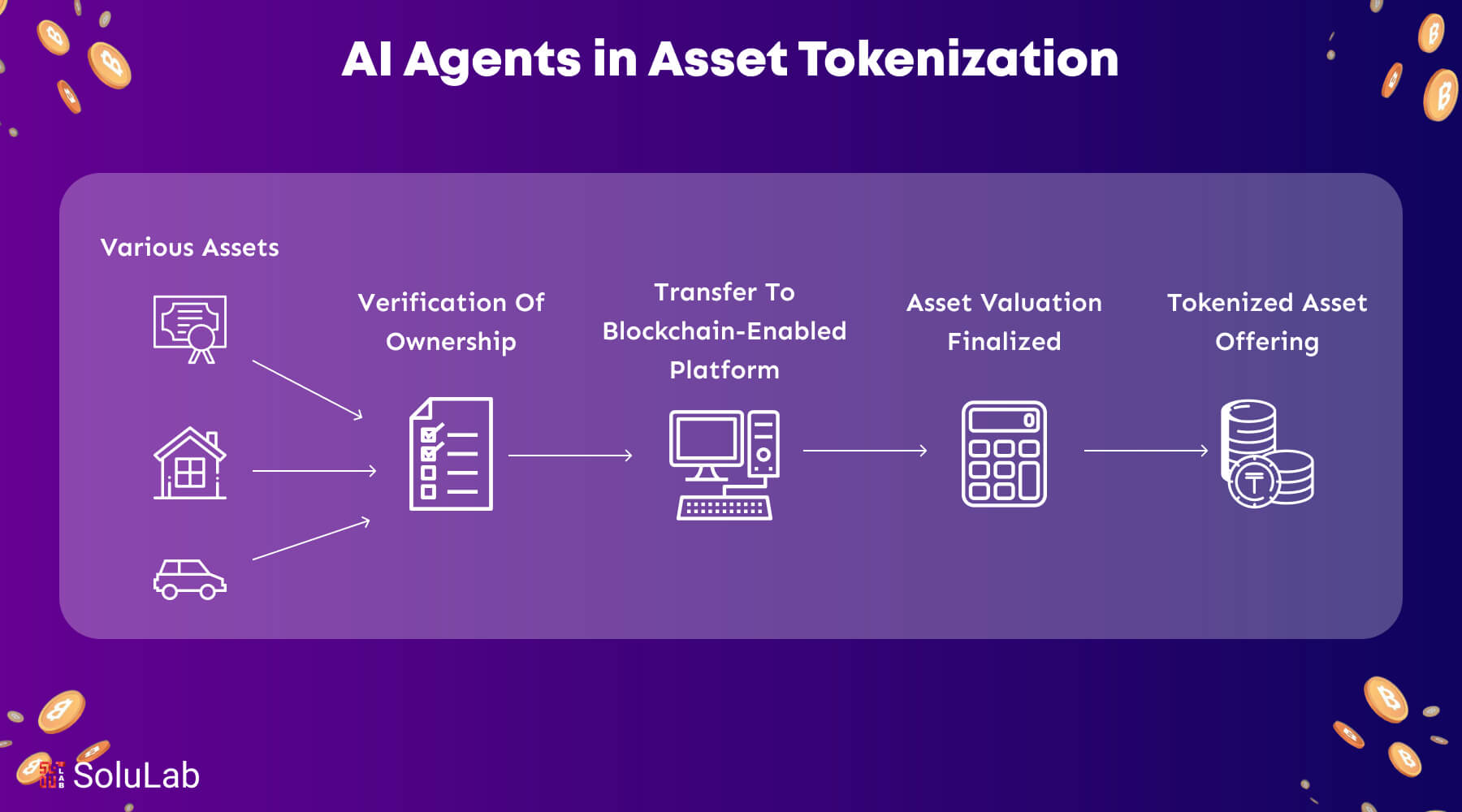
These markets extend to AI training social signals blockchain integrations, tokenizing engagements as noted in Nature publications on decentralized social platforms. Zoniqx highlights AI-blockchain convergence optimizing asset tokenization, a parallel ripe for data markets. Yet, as an advisor grounded in fundamentals, I caution that while incentives drive volume, sustainable value hinges on verifiable quality over sheer participation.
Token-incentivized systems address core pain points: scalability for burgeoning datasets and trust in annotations. LinkedIn analyses by Robin Carre emphasize how high-quality labelers earn ecosystem-valued tokens within DAOs, creating self-reinforcing loops. Still, early-stage volatility demands scrutiny; OORT’s teething issues remind us that execution trumps hype. For AI developers eyeing attention models, these markets offer cost-effective paths, provided governance evolves to prioritize long-term accuracy.
Projections signal robust adoption, with tokenized approaches poised to capture slices of the USD 9.58 billion pie. By embedding economic skin-in-the-game, they transform labeling from a chore into a marketplace of expertise, fundamentally reshaping how we prepare data for the next AI frontier.