
Token-incentivized data labeling limits to account for
Token-incentivized data labeling relies on decentralized platforms to distribute annotation tasks to a global workforce. Instead of a single vendor managing quality, these systems use ERC-20 tokens to reward contributors for accurate work. This model aims to create a trustless environment where developers can access diverse, high-quality datasets without centralized oversight.
However, this approach introduces specific constraints. The primary challenge is verifying the quality of labeled data when contributors are anonymous and incentivized by tokens rather than long-term employment. Without robust validation layers, bad actors can game the system by submitting low-effort labels to earn rewards. This "garbage in, garbage out" risk is amplified in token-based models where financial incentives outweigh professional accountability.
Another constraint is the volatility of token rewards. If the value of the incentive token fluctuates significantly, it can destabilize the workforce. Contributors may leave during market downturns, causing delays in training data production. Additionally, the technical barrier to entry remains high; annotators must manage digital wallets and understand blockchain transactions, which excludes many potential contributors who lack crypto literacy.
These constraints mean that token-incentivized labeling is not a drop-in replacement for traditional data annotation. It works best for specific, high-volume tasks where decentralized scale outweighs the need for strict, human-led quality control. For critical AI training data, hybrid models that combine token incentives with expert verification are often necessary to mitigate these risks.
Token-incentivized data labeling choices that change the plan
Token-incentivized data labeling offers a decentralized alternative to traditional crowdsourcing, but it introduces specific economic and operational risks. Before committing to a platform, evaluate the following tradeoffs against your project’s needs.
Quality and Verification
Decentralized systems rely on consensus mechanisms rather than centralized oversight. While this reduces bias, it can also allow bad actors to game the system if verification is weak. Look for platforms that use multi-model consensus or expert review layers to catch low-effort labels.
Cost and Token Volatility
Micropayments in tokens can lower entry costs for labelers, but token volatility adds financial risk. If the token value drops, labelers may abandon tasks, disrupting your workflow. Traditional fiat-based platforms offer predictable billing, whereas crypto-based rewards require hedging strategies.
Speed and Scalability
Blockchain transactions can be slow and costly during network congestion. For time-sensitive AI training, this latency can be a bottleneck. Platforms built on high-throughput chains like Solana offer faster settlement, but you must still account for potential network delays during peak usage.
Data Privacy and Compliance
Decentralized labeling often involves global contributors, complicating GDPR and CCPA compliance. Ensure the platform has clear data anonymization protocols and legal frameworks for handling sensitive information. Centralized platforms often provide more robust, audited privacy controls.
| Factor | Token-Incentivized | Traditional Platform |
|---|---|---|
| Quality Control | Consensus-based; risk of gaming | Centralized review; consistent |
| Cost Predictability | Low; volatile token value | High; fixed fiat rates |
| Speed | Variable; network dependent | High; dedicated workforce |
| Compliance | Complex; global contributors | Streamlined; jurisdictional limits |
KeyTakeaways items=["Token incentives lower entry costs but introduce volatility risk.", "Decentralized quality relies on consensus; verify verification layers.", "Blockchain speed varies; choose high-throughput chains for urgent tasks.", "Global contributors complicate data privacy compliance."]
Choose the right platform for your project
Selecting a data labeling solution depends on your dataset size, budget, and technical infrastructure. Token-incentivized platforms offer a cost-effective alternative to traditional crowdsourcing by aligning worker rewards with data quality, but they require specific technical integration. Here is how to evaluate the options.
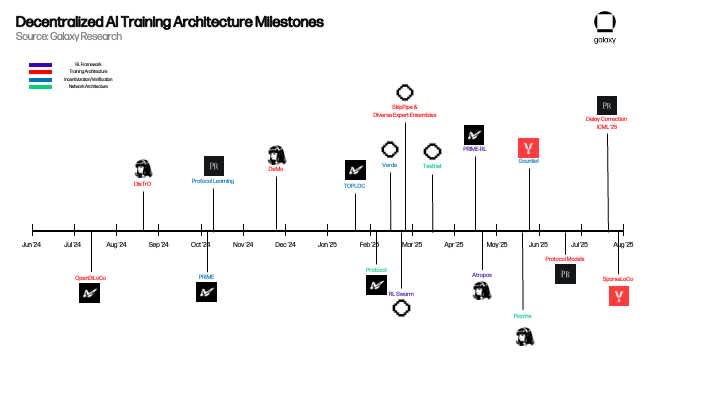
Start by defining the volume and type of data. Token-incentivized platforms excel with large-scale, repetitive tasks like image classification or text annotation where decentralized workers can handle high volumes. For small, highly specialized datasets requiring expert domain knowledge, traditional proprietary platforms with vetted annotators may still be more efficient due to lower coordination overhead.
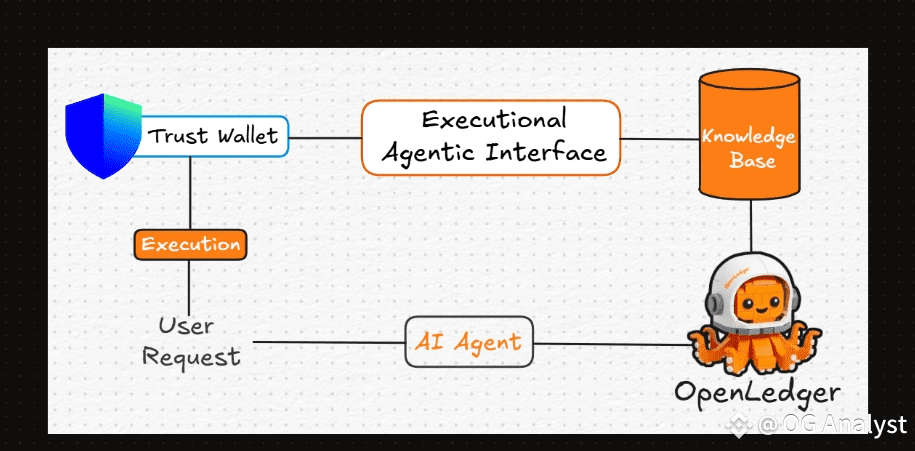
Review how the platform distributes rewards. Look for mechanisms that tie token payouts directly to quality metrics, such as consensus-based validation or expert review scores. Platforms like those leveraging ERC-20 tokens (see IEEE research on Decentralized Data Labeling Platforms) aim to create a trustless environment where workers are incentivized to provide accurate labels to earn tokens, reducing the need for costly manual oversight.
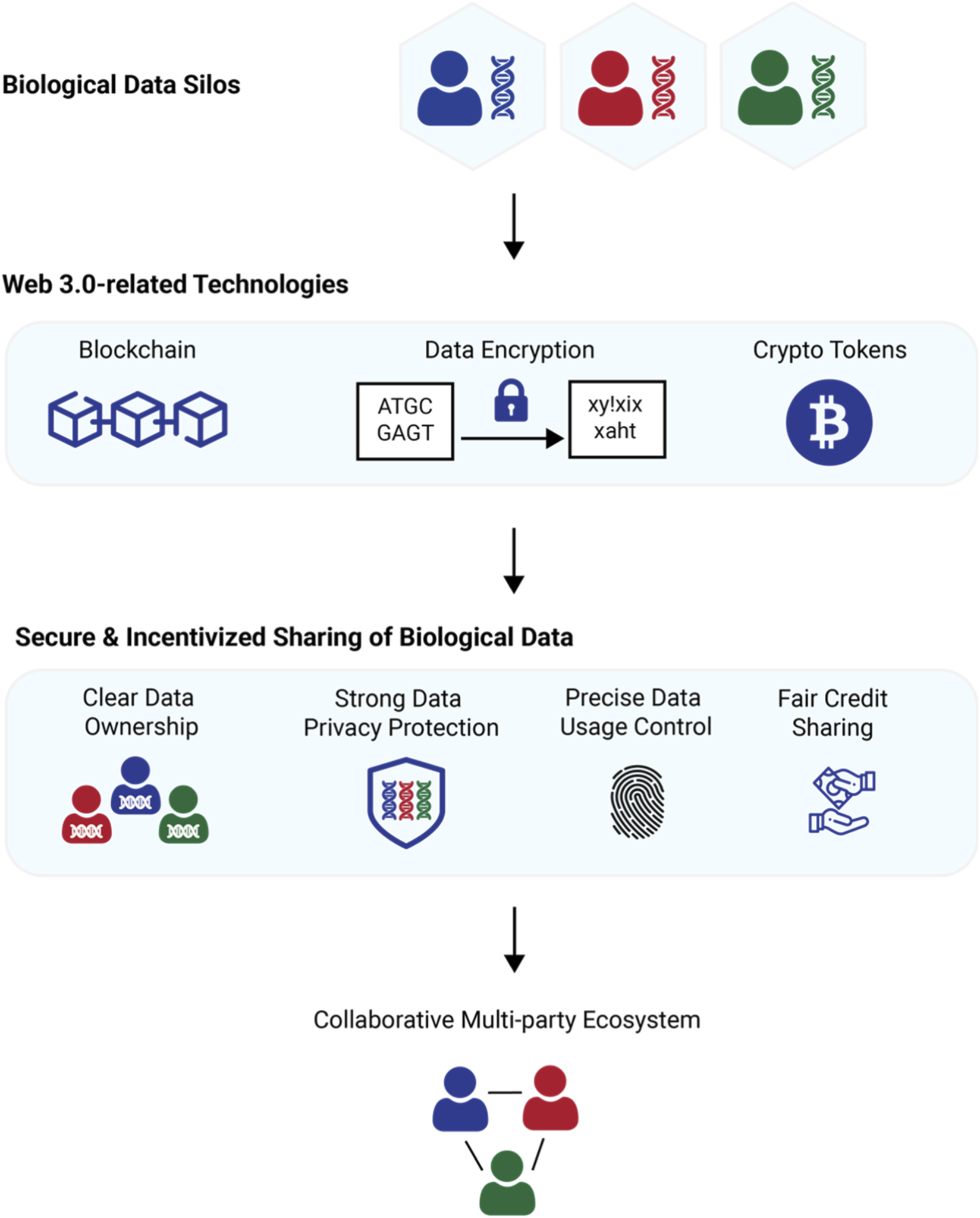
Token-based systems often require blockchain integration or specific API connections to manage wallet addresses and token transfers. Ensure your development team can handle these technical components. If your infrastructure is not crypto-native, the added complexity of managing digital wallets and gas fees might outweigh the cost savings compared to standard web-based labeling tools.

Traditional platforms charge per hour or per task with clear SLAs. Token platforms may have lower upfront costs but introduce volatility risks if token prices fluctuate. Evaluate the total cost of ownership, including the time spent managing quality assurance protocols. Look for platforms that offer hybrid models, combining token incentives with traditional payment options for stability.
Data privacy is critical. Ensure the platform complies with GDPR, CCPA, or other relevant regulations. Token-based platforms should offer robust encryption for data in transit and at rest, and clear policies on data retention. Verify that worker anonymity is protected where necessary, and that data cannot be linked back to individuals or used for unauthorized purposes.

Before committing to a full-scale project, run a small pilot. Label a subset of your data using the platform and evaluate the quality, speed, and ease of integration. Compare the results against your existing baseline. This step helps identify potential bottlenecks or quality issues early, allowing you to adjust your workflow or choose a different provider if needed.
Spotting Weak Options and Misleading Claims
Token incentives promise a trustless environment for data labeling, but the reality often diverges from the pitch. Recent research on Decentralized Data Labeling Platforms (DDLP) highlights that ERC-20 tokens alone do not guarantee quality or fairness. Instead, they can introduce new vulnerabilities if the underlying validation logic is flawed.
Common Pitfalls in Token-Based Labeling
1. The "Trustless" Fallacy Many platforms claim to be trustless because they use blockchain. However, trust is merely shifted to the smart contract code. If the oracle mechanism that verifies labeled data is compromised, the entire dataset becomes poisoned. Always audit the verification protocol, not just the tokenomics.
2. Sybil Attacks via Token Rewards Bad actors can create multiple identities to farm tokens by submitting low-quality or random labels. Without robust identity verification (like zk-SNARKs or reputation scores), the cost of gaming the system is often lower than the reward. Look for platforms that require stake or reputation to participate, not just wallet connectivity.
3. Incentive Misalignment If rewards are fixed per task, labelers may rush through complex annotations to maximize volume. This leads to inconsistent data, which degrades model performance. Effective systems tie rewards to consensus accuracy, not just completion speed. Check if the platform uses a consensus mechanism where labels are validated by multiple independent workers before payment.
4. Volatility Risk Token rewards can fluctuate wildly. A task worth $5 in tokens might drop to $1 in fiat value overnight. This discourages consistent participation from skilled annotators who need reliable income. Platforms that offer stablecoin options or fiat conversion are more sustainable for long-term data collection.
How to Evaluate a Platform
When reviewing token-incentivized labeling services, focus on these concrete checks:
- Verification Method: Does it use human consensus, AI pre-screening, or a hybrid approach? Pure AI pre-screening often misses nuance.
- Reputation System: Are labelers ranked by accuracy? High-reputation workers should earn more per task.
- Dispute Resolution: Is there a clear process for correcting mislabeled data? Who bears the cost of errors?
- Token Utility: Can tokens be staked, burned, or used for governance? Pure speculation tokens offer little long-term value.
Avoid platforms that promise high returns with minimal verification. Quality data requires careful, incentivized human effort, not just automated token transfers.
No comments yet. Be the first to share your thoughts!