
Set up the labeling platform
The foundation of a token-incentivized data labeling workflow is a decentralized infrastructure capable of handling smart contract-based reward distribution. Unlike traditional centralized databases, this setup ensures that every labeling task and subsequent payment is recorded on-chain, creating a trustless environment for developers and researchers.
To begin, select a blockchain network that supports the specific token standards and transaction speeds required for your volume. For high-frequency, low-value tasks, Solana-driven platforms offer transparent and efficient micropayments with minimal fees, making them ideal for large-scale labeling operations. Alternatively, if your project relies on established Ethereum-based tooling, leveraging ERC-20 tokens provides a standardized, trustless environment for task distribution and reward settlement.
Once the network is selected, deploy or configure the labeling smart contract. This contract acts as the escrow mechanism, holding the token supply and automatically disbursing rewards upon verified completion of labeling tasks. Ensure the contract includes clear logic for quality control, such as requiring multiple labels per data point before releasing payment, to prevent sybil attacks or low-effort submissions. This technical setup transforms the labeling process from a manual, opaque operation into an automated, incentive-aligned system.
Design the token reward mechanism
To build a sustainable data labeling workflow, you must define an economic model that balances contributor incentives with strict budget constraints. The goal is to encourage high-quality contributions without triggering token inflation, which devalues rewards and discourages serious participants. This section outlines the core components of that mechanism.
Set the emission schedule
Rather than allowing unlimited token minting, establish a fixed emission schedule. This cap ensures that the total supply remains predictable, protecting the value of rewards for long-term contributors. Projects can pre-mine a portion of tokens for initial distribution, but the majority should be earned through active data labeling contributions. A controlled release rate prevents market saturation and maintains scarcity.
Define quality-based multipliers
Not all labeling work is equal. Implement a quality score system where contributors earn bonus tokens for high-accuracy annotations. This aligns financial incentives with the project’s need for reliable data. You can use automated validation tools or peer-review mechanisms to verify output before releasing rewards. Lower-quality submissions receive fewer or no tokens, creating a natural filter for poor work.
Establish a treasury reserve
Allocate a portion of the initial token supply to a community treasury. This reserve acts as a buffer for future incentives, bug bounties, or protocol upgrades. It also allows the project to buy back tokens from the open market if necessary to stabilize prices. Transparent management of this reserve builds trust and demonstrates long-term commitment to the ecosystem.
Warning: Avoid unlimited token minting, which can devalue rewards and discourage serious contributors.
Monitor and adjust
Token economics are not static. Regularly review contribution rates, token velocity, and quality metrics. If inflation outpaces utility, reduce emission rates or increase quality thresholds. Conversely, if participation drops, consider temporary incentive boosts. This iterative approach ensures the mechanism remains effective as the project scales.
Integrate quality control checks
Before any tokens leave the smart contract, the system must verify that the labels are accurate. You achieve this by combining AI pre-labeling with consensus algorithms. This two-layer approach catches errors early and ensures only high-quality data is rewarded.
1. Run AI pre-labeling on incoming data
Deploy a pre-trained model to generate initial labels for each data point. This step acts as a baseline, allowing human labelers to verify or correct suggestions rather than starting from scratch. It speeds up the workflow and reduces the cognitive load on contributors.
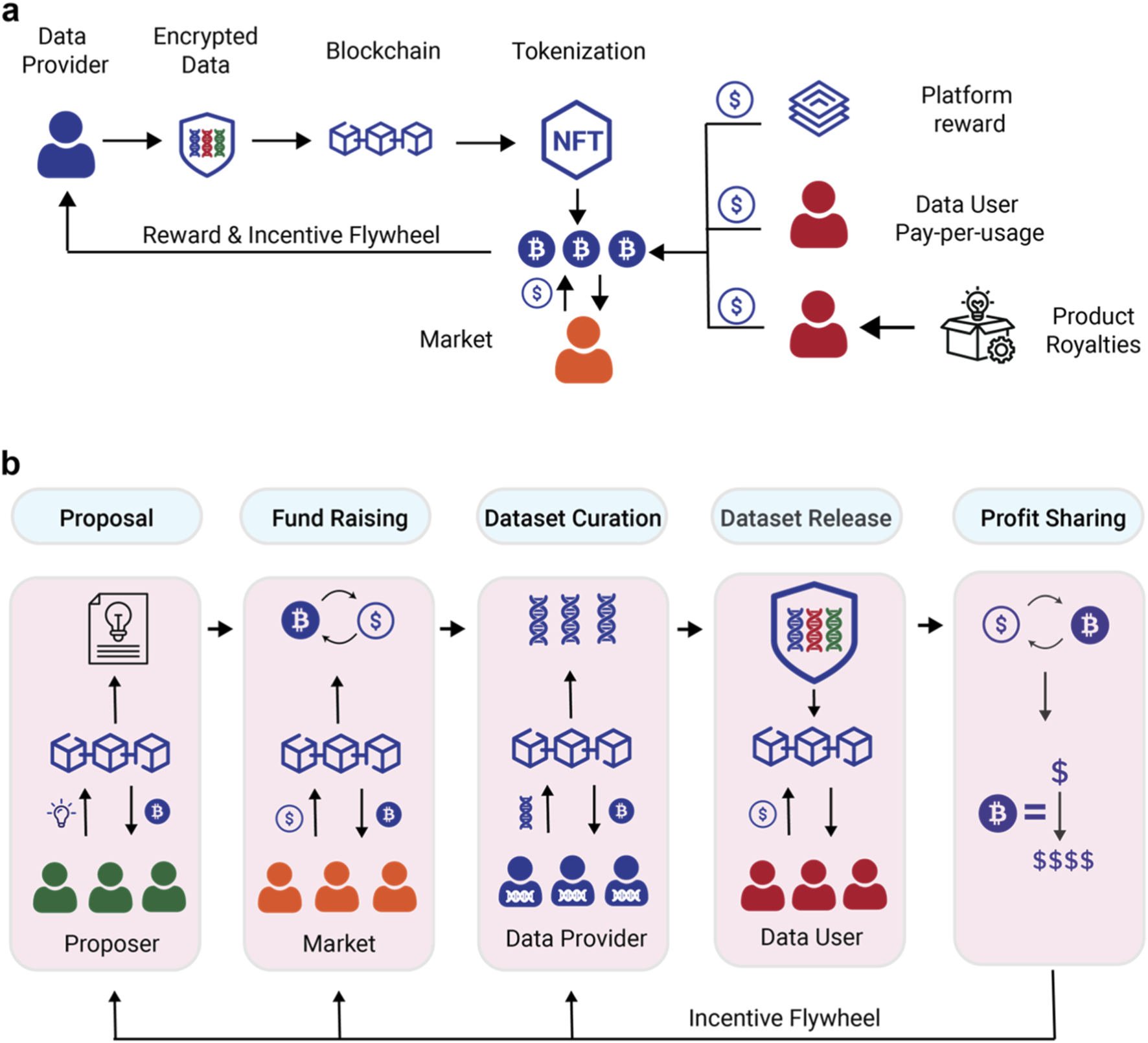
Use a supervised learning model trained on historical data to generate initial labels. This creates a baseline for human verification, reducing the time needed for each task.
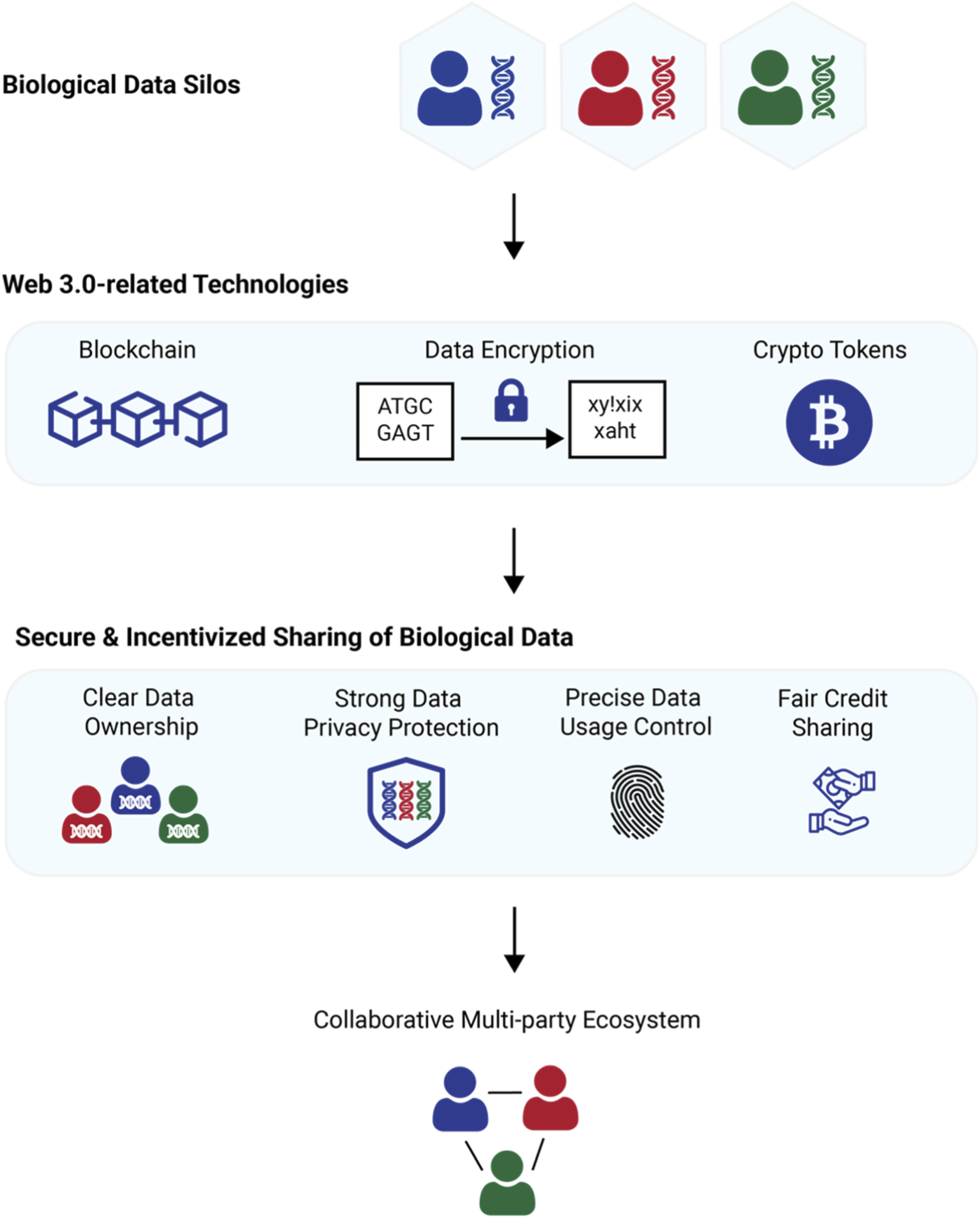
Distribute the same data points to at least three independent labelers. This redundancy is necessary for the consensus algorithm to function effectively.
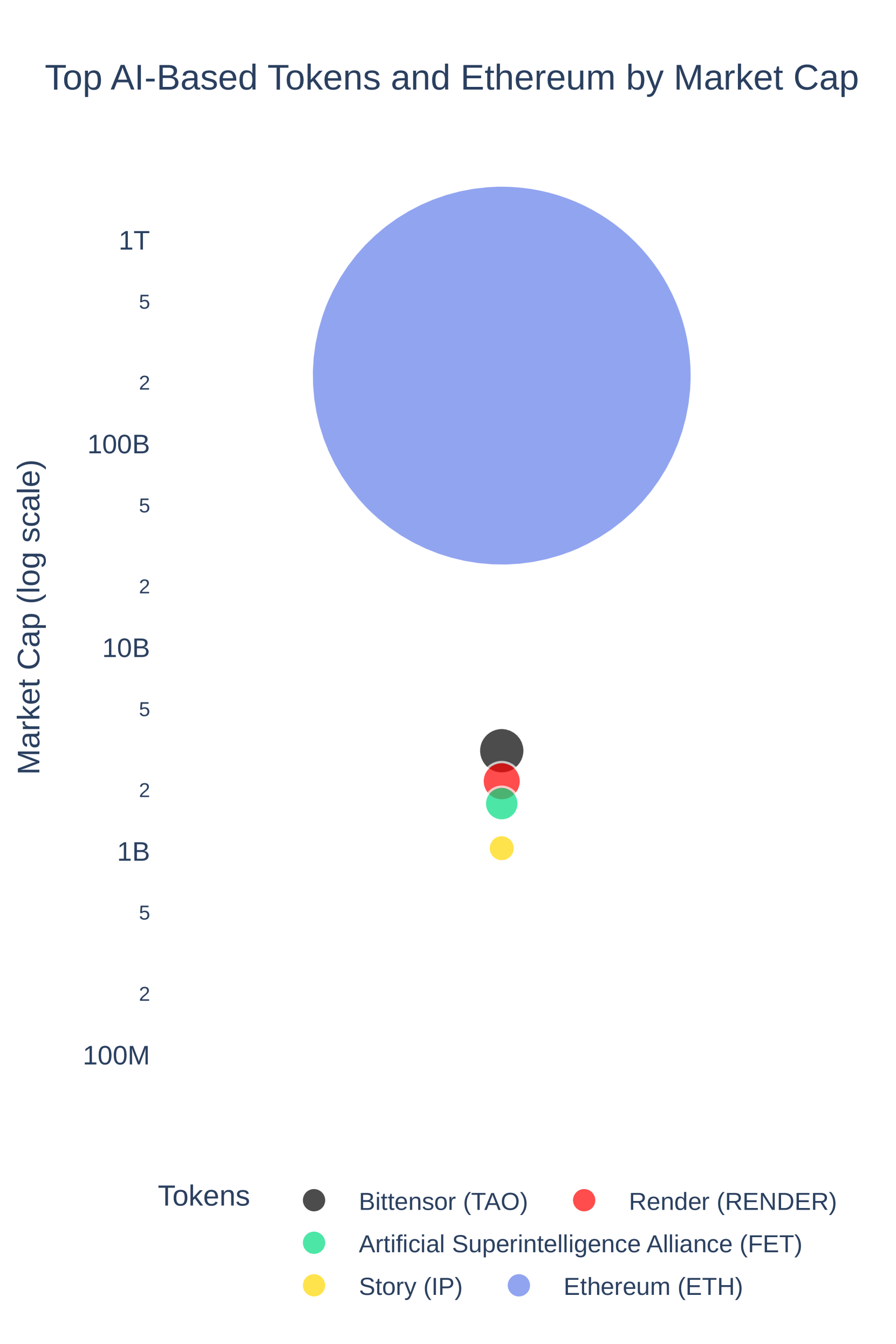
Compare the human labels against the AI baseline and each other. Use a voting mechanism to determine the final accepted label. If the majority agrees, the label is marked as verified.

Once consensus is reached, the smart contract automatically releases tokens to the contributors. This trustless process ensures payment only for verified, high-quality work.
2. Verify with consensus algorithms
Consensus algorithms are the backbone of quality control. By requiring multiple independent labels for the same data point, you filter out outliers and bad actors. If a labeler consistently disagrees with the majority, the system can flag their account for review.
3. Automate payouts via smart contracts
The final step is linking the verified label to the token reward. Smart contracts execute this automatically, removing the need for manual approval. This transparency builds trust among contributors and ensures that rewards are distributed fairly and instantly.
Launch and scale the annotation pool
Transitioning from a pilot to production scale requires disciplined onboarding and clear incentive structures. The goal is to build a reliable workforce of labelers who are motivated by token rewards to deliver high-quality annotations consistently.
Start by defining the onboarding flow. New labelers need immediate access to the annotation interface and a clear understanding of the reward mechanism. Gamified approaches, such as those used by platforms like Sapien, have shown that token-based incentives can significantly boost engagement and data quality [1]. Ensure your smart contracts are verified and the reward distribution logic is transparent to build trust with early contributors.
As you scale, monitor the quality-to-cost ratio. Use a checklist to verify that token emissions are aligned with annotation value. Avoid over-incentivizing speed at the expense of accuracy. Implement a tiered reward system where higher-quality labels earn more tokens, encouraging labelers to self-audit their work. This approach helps maintain data integrity while keeping operational costs predictable.
- Verify smart contract security and token emission parameters.
- Confirm user onboarding flow is intuitive and mobile-friendly.
- Set up quality control metrics to track label accuracy.
- Establish a feedback loop for underperforming labelers.
Common pitfalls in decentralized labeling
Decentralized labeling models trade control for scale, but that trade-off introduces specific failure modes that can corrupt your dataset before it ever reaches training. If you are building a token-incentivized workflow, you must design safeguards against two primary vectors: Sybil attacks and token dumping.
Sybil attacks and identity spoofing
In a Sybil attack, a single actor creates multiple fake identities to claim labeling rewards. Without robust identity verification, one user can effectively buy out the reward pool by submitting low-quality or adversarial labels through dozens of distinct wallet addresses. This inflates participation metrics while diluting the actual signal quality. To mitigate this, implement proof-of-humanity protocols or limit reward eligibility to wallets with a minimum history of verified, high-quality contributions.
Token dumping and quality decay
Token dumping occurs when labelers prioritize speed over accuracy to maximize their immediate payout before the token value drops. If the incentive structure rewards volume without requiring quality audits, workers will rush through tasks, leading to a flood of noisy data. This is particularly dangerous in long-running projects where token prices are volatile. Ensure your smart contracts include a vesting schedule for rewards or tie payout multipliers to post-submission quality scores to discourage rushed work.
Vendor lock-in and centralization creep
Even in decentralized systems, reliance on a single analytics platform for final data aggregation can recreate centralization risks. For example, platforms like Arkham Intelligence use AI to label wallets, but if your workflow depends entirely on their proprietary labeling logic, you lose transparency and control over the ground truth. Diversify your validation layer by using multiple independent auditors or open-source verification tools to ensure no single entity controls the final dataset integrity.
No comments yet. Be the first to share your thoughts!