
Token-incentivized data labeling limits to account for
Token-incentivized data labeling replaces traditional payroll with blockchain-based rewards to scale AI training datasets. While this model lowers overhead for developers, it introduces specific constraints around quality control and economic sustainability that teams must navigate.
The primary constraint is the tension between speed and accuracy. In platforms like Deano, annotators earn tokens for accurate labels. However, without robust verification layers, bad actors can game the system by submitting low-quality data to farm tokens quickly. This creates a "garbage in, garbage out" risk that traditional employee oversight mitigates through direct management and performance reviews.
Secondly, token volatility affects workforce stability. Unlike fixed hourly wages, token rewards fluctuate with market conditions. When token values drop, annotator motivation often declines, leading to inconsistent labeling throughput. Projects must account for this elasticity in their planning, recognizing that incentives are not static but dynamic market forces.
Finally, the technical barrier to entry remains high. Annotators need crypto wallets and an understanding of gas fees, which excludes non-technical contributors. This limits the talent pool to those already familiar with Web3 infrastructure, potentially skewing the diversity and breadth of the labeling community compared to open, fiat-based platforms.
Token-incentivized data labeling choices that change the plan
Switching from centralized platforms to token-based systems introduces distinct operational variables. While ERC-20 and Solana-driven models offer trustless micropayments and community alignment, they require careful evaluation of economic sustainability and quality control mechanisms.
The following comparison outlines the primary tradeoffs between traditional centralized labeling and decentralized, token-incentivized approaches.
| Factor | Centralized Platforms | Token-Incentivized Systems |
|---|---|---|
| Cost Structure | Fixed per-hour or per-task rates; high overhead for management | Micropayments via tokens; variable cost based on token value and volume |
| Quality Control | Human QA teams and strict SLAs; consistent but expensive | Community consensus and reputation scores; scalable but prone to gaming |
| Data Privacy | Centralized database; single point of failure for breaches | Distributed ledger; enhanced privacy but transparent transaction history |
| Scalability | Limited by workforce availability and geographic constraints | Global annotator pool; rapid scaling during token price surges |
| Incentive Alignment | Standard employment contracts; low engagement for repetitive tasks | Gamified rewards and ownership stakes; high engagement but volatile motivation |
Cost Volatility vs. Predictability
Centralized platforms offer predictable billing, which simplifies budgeting for AI training runs. In contrast, token-incentivized systems expose projects to crypto market volatility. If the token price drops, annotator motivation may wane; if it spikes, labeling costs can exceed initial estimates. Projects must hedge against this by pegging token values or using stablecoin alternatives.
Quality Through Consensus
Traditional platforms rely on senior reviewers to verify labels, ensuring high accuracy but at a significant cost. Decentralized models often use a consensus mechanism where multiple annotators label the same data. If the majority agrees, the label is accepted. This reduces individual review costs but can lead to "groupthink" errors or coordinated manipulation if the community is small or biased.
Privacy and Data Sovereignty
Centralized databases are attractive targets for attackers. Token-incentivized platforms distribute data across a network, often using zero-knowledge proofs or encrypted shards. While this enhances security, it complicates audit trails. Researchers must ensure that the decentralized infrastructure complies with GDPR or HIPAA requirements, which can be technically challenging to implement in a trustless environment.
How to choose a token-incentivized data labeling platform
Selecting the right infrastructure for token-incentivized data labeling requires balancing financial incentives with data integrity. In 2026, the market has moved beyond simple crowdsourcing to platforms that use ERC-20 tokens to align annotator accuracy with project budgets. This approach reduces vendor lock-in and creates a trustless environment for high-stakes AI training.
Use this framework to evaluate platforms based on four critical operational factors.
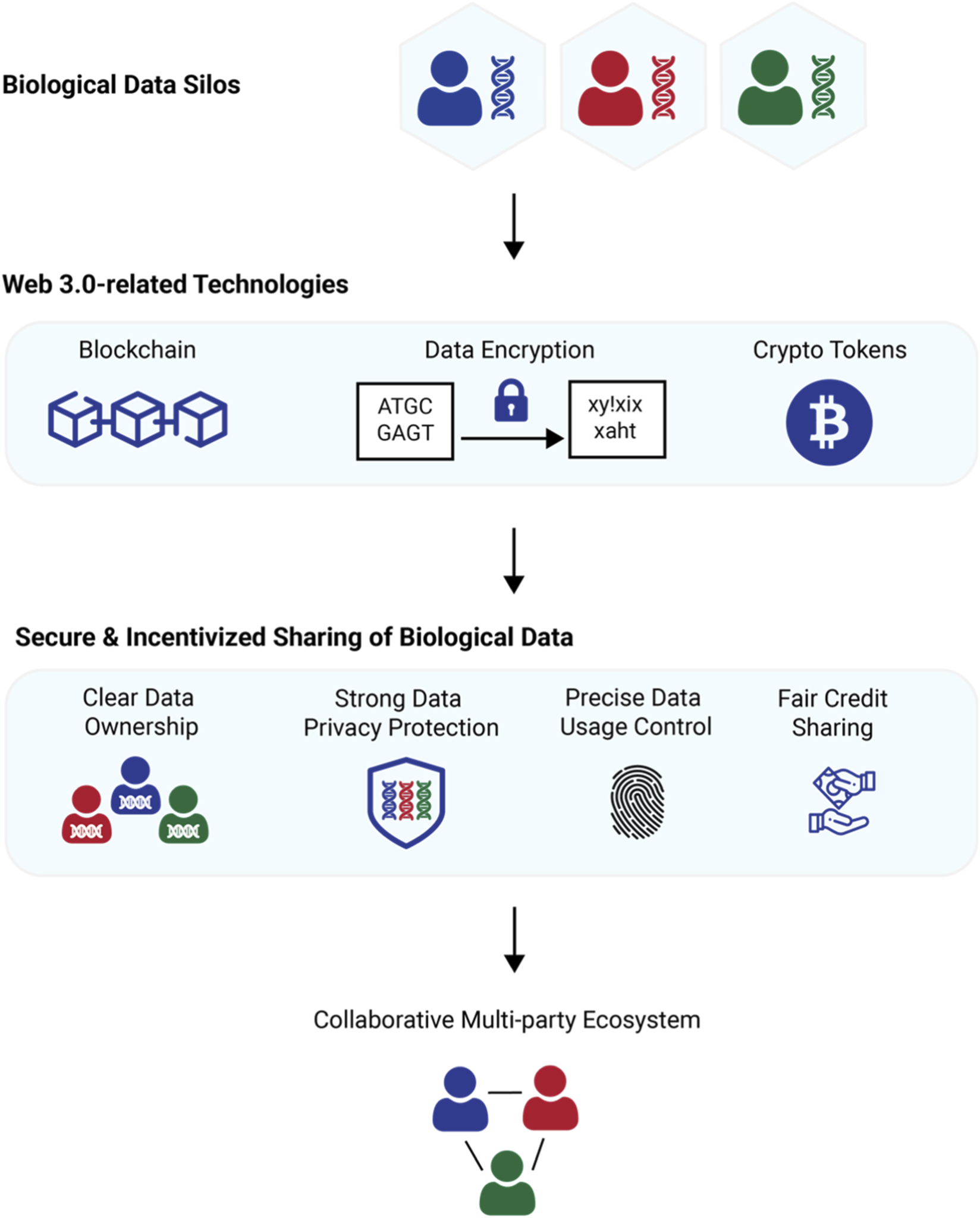
Look for platforms like Deano that use specific tokens (e.g., DAN) to reward accuracy rather than volume. The incentive structure must penalize low-quality submissions while rewarding consistent precision. This prevents "gaming" the system where annotators rush through tasks to maximize earnings, which degrades model performance.

Token incentives only work if quality is objectively measured. The platform should employ automated validation layers or consensus-based verification before releasing tokens. Without a robust audit trail, incentivized labeling can lead to coordinated fraud. Ensure the platform provides transparent logs of annotator performance and dispute resolution processes.
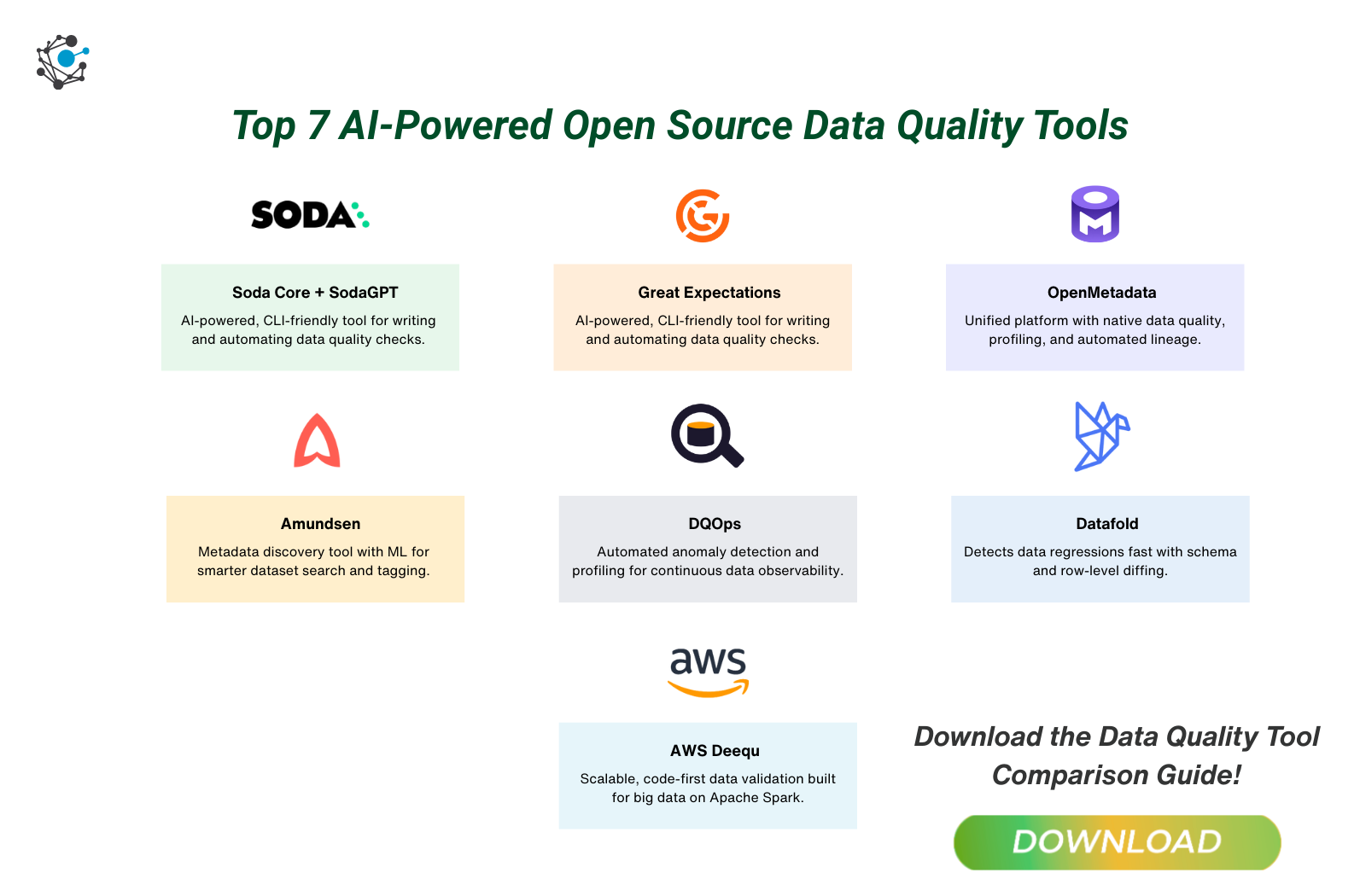
Modern platforms leverage smart contracts to automate payments and enforce rules. This reduces administrative overhead and ensures that annotators are paid immediately upon task approval. The contract should also handle edge cases, such as partial credit for partially correct annotations, ensuring fairness for the workforce.
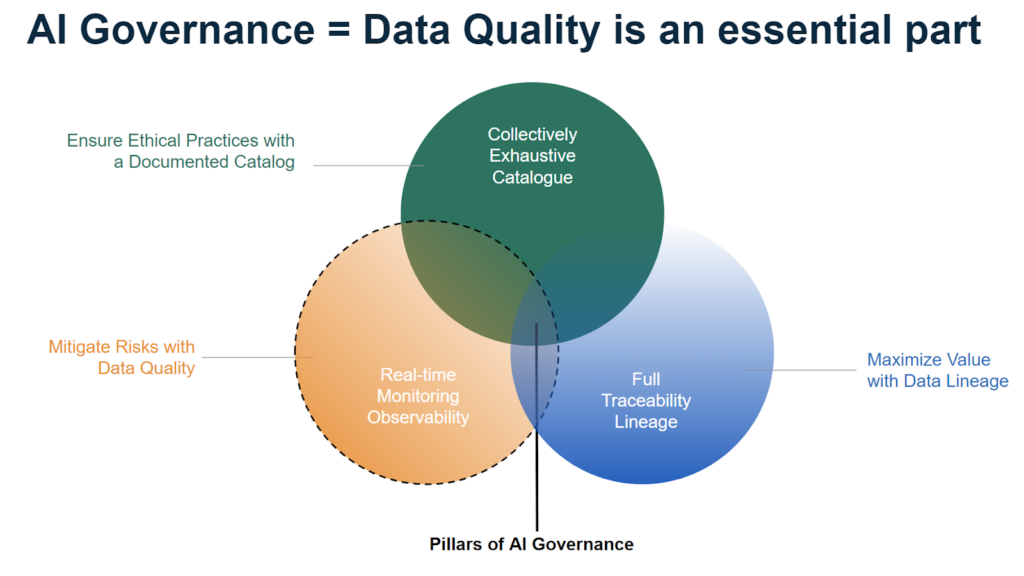
Since token-based platforms are often decentralized, data privacy is paramount. Ensure the platform supports zero-knowledge proofs or secure enclaves so that annotators can label sensitive data without exposing raw information. This is critical for healthcare, finance, and other regulated industries where data leakage is a major risk.
By focusing on these operational pillars, you can select a platform that not only reduces costs but also improves the reliability of your AI training data. The shift toward token-incentivized labeling is not just about efficiency; it is about creating a sustainable ecosystem for high-quality data generation.
Spotting Weak Options in Token-Incentivized Labeling
Token incentives promise a trustless labeling pipeline, but the model often breaks under scrutiny. Platforms like Deano distribute DAN tokens for accuracy, yet without robust verification, this creates a vulnerability to gaming (src-serp-2). Researchers note that ERC-20 structures can offer a decentralized framework, but they rarely guarantee data quality on their own (src-serp-1). The primary risk is conflating volume with value.
The Sybil Attack Trap
When rewards are tied directly to task completion, bad actors create multiple identities to farm tokens. Without strict identity verification or proof-of-humanity checks, your training set fills with low-quality or duplicate annotations. This inflates the apparent size of your dataset while silently destroying its utility. Always audit the sybil resistance mechanisms before committing to a platform.
Quality vs. Quantity
High token payouts often attract speed over precision. Annotators may rush through complex edge cases to maximize their daily earnings. This leads to subtle labeling errors that degrade model performance in production. Look for platforms that use consensus voting or expert review layers to validate token rewards, rather than paying blindly for every submitted label.
Hidden Integration Costs
Many token-based platforms operate on niche blockchains or require specific wallet setups. This adds friction for both annotators and developers. If your team isn't already crypto-native, the overhead of managing wallets and gas fees can outweigh the labor savings. Evaluate whether the decentralized nature of the platform aligns with your existing tech stack before signing up.
Token-incentivized data labeling: what to check next
Before committing to a blockchain-based labeling workflow, it helps to separate the mechanics of the task from the novelty of the reward. The underlying process remains standard computer vision or NLP work, but the payment layer changes how you source and verify talent.
Here are the most common questions about this emerging model.
No comments yet. Be the first to share your thoughts!