

The Shift to Decentralized Data Labeling
The trajectory of artificial intelligence in 2026 is defined by a critical bottleneck: the scarcity of high-quality training data. As models grow exponentially larger, the demand for precise, annotated datasets has outpaced the capacity of traditional, centralized labeling firms. This structural inefficiency creates a paradox where the very scale required for advanced AI undermines the quality control necessary to sustain it.
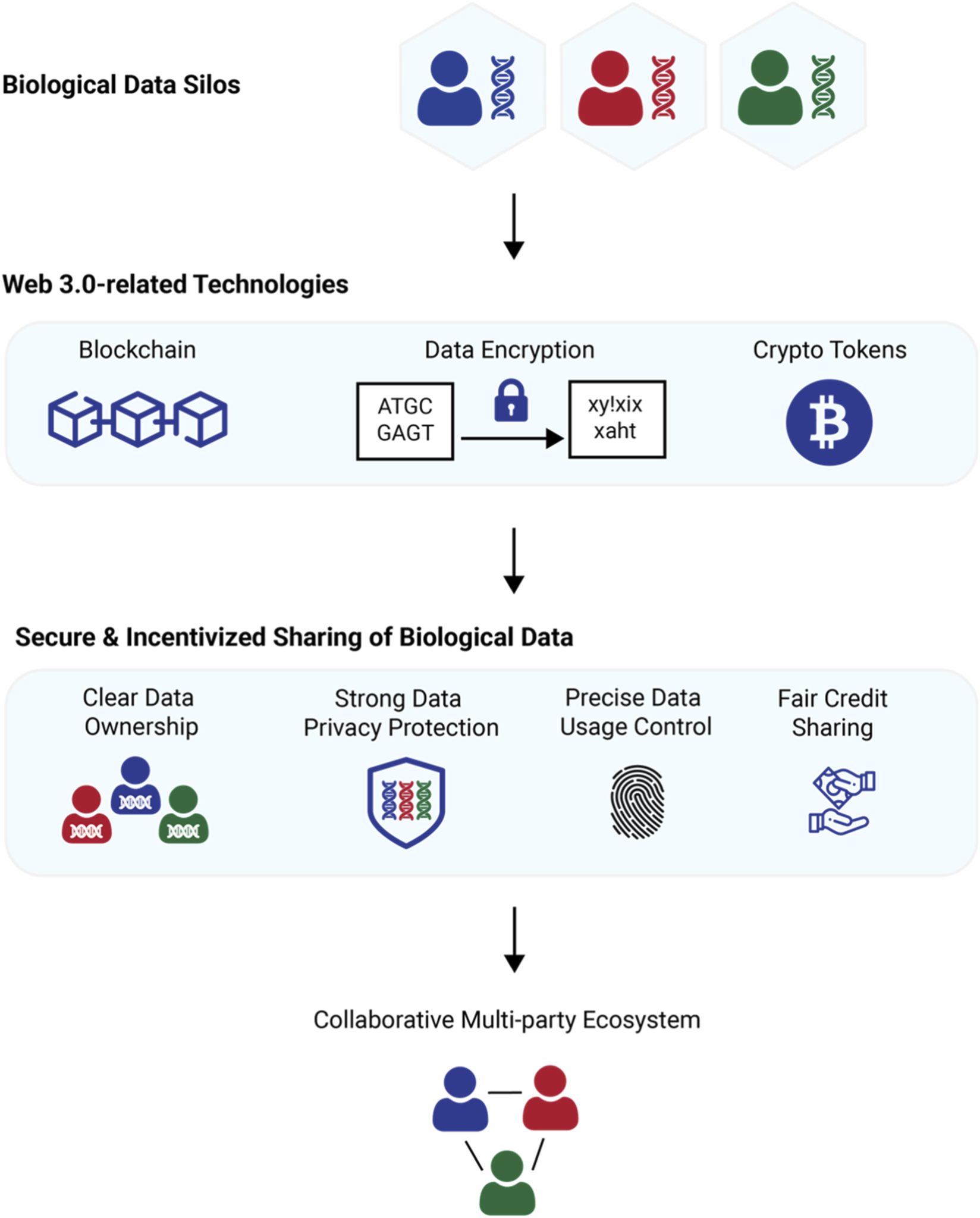
Token-incentivized data labeling emerges as the structural solution to this bottleneck. By leveraging blockchain infrastructure and ERC-20 token rewards, platforms can distribute annotation tasks across a global, decentralized network rather than relying on a few large vendors. This approach democratizes data contribution, allowing individuals to earn rewards for their labor while providing developers with a trustless, scalable environment for data acquisition.
The shift is not merely technological but economic. Centralized models often suffer from opaque pricing and limited labor pools, leading to data bottlenecks that stall model training. Decentralized networks mitigate these risks by creating a more resilient, liquid market for data. Research indicates that token-based incentives can significantly increase participation rates, ensuring a steady flow of diverse, high-fidelity data required for robust model performance.
This transition marks a fundamental change in how AI infrastructure is built. Instead of viewing data labeling as a static cost center, organizations are now treating it as a dynamic, incentivized network effect. The result is a more agile, cost-effective, and scalable foundation for the next generation of machine learning applications.
Platform comparison: Sapien, Deano, and emerging models
The token-incentivized data labeling market is shifting from experimental prototypes to structured platforms. For AI vendors, the choice of labeling infrastructure directly impacts model accuracy and operational cost. This section compares the two dominant providers, Sapien and Deano, alongside the emerging Solana-driven micropayment model, focusing on their tokenomics, quality assurance mechanisms, and current market positioning.
Sapien has established itself by gamifying the labeling experience. By integrating blockchain-based rewards, it incentivizes human labelers to maintain high accuracy through a competitive, points-based system. The platform recently raised $5 million to scale its infrastructure, signaling strong institutional confidence in its ability to solve the "garbage in, garbage out" problem in AI training data. Its strength lies in its user interface, which reduces the friction of manual labeling while ensuring consistent output through community-driven verification.
Deano offers a different approach, focusing on a decentralized community of annotators. Labelers are incentivized with DAN tokens for accurate data labeling, creating a win-win dynamic where vendors get high-quality datasets and annotators receive direct financial compensation. This model appeals to projects requiring large-scale, diverse data collection where traditional centralized labor markets are too slow or expensive. The transparency of the blockchain ledger allows vendors to audit the provenance of every labeled data point.
Emerging models are leveraging high-throughput blockchains like Solana to enable micro-payments for labeling tasks. This approach reduces the overhead of transaction fees, making it economically viable to pay small amounts for granular labeling tasks. While still in earlier stages compared to Sapien and Deano, this model offers the potential for maximum scalability and real-time payment settlement, which could become the standard for high-volume, low-complexity labeling tasks.
Comparison of Leading Platforms
The table below outlines the key differences between the primary platforms in the token-incentivized data labeling space.
| Platform | Token/Reward | Quality Mechanism | Funding/Status |
|---|---|---|---|
| Sapien | Points/Crypto | Gamified Community | $5M Raised |
| Deano | DAN Token | Decentralized Verification | Active |
| Solana Model | SOL/Micro-pay | On-Chain Consensus | Emerging |
Tokenomics and Quality Assurance
The viability of token-incentivized data labeling rests on a fragile equilibrium between economic incentive and algorithmic verification. Unlike traditional crowdsourcing, where labor is compensated via fiat, blockchain-based platforms distribute ERC-20 or Solana-native tokens to annotators. This mechanism lowers entry barriers but introduces significant volatility risk. When the value of the reward token fluctuates against stable assets, the cost of high-quality data becomes unpredictable, potentially destabilizing the supply chain for AI developers.
To mitigate the risk of sybil attacks—where bad actors create multiple fake identities to farm rewards—modern platforms employ consensus algorithms that require multi-party verification. Annotators do not simply submit labels; they must reach agreement with a subset of other participants. If the majority consensus diverges from a single submission, the reward is withheld or slashed. This creates a trustless environment where data integrity is enforced by code rather than central oversight, a concept detailed in recent IEEE research on decentralized data labeling platforms [[src-serp-1]].
However, this technical safeguard is only as strong as the token’s market stability. High volatility can erode the incentive structure faster than consensus algorithms can correct for quality issues. If the token price crashes, honest annotators may exit, leaving the platform vulnerable to low-effort, low-cost malicious actors.
The following chart illustrates the price volatility of relevant utility tokens, such as SAPIEN and DAN, highlighting the stability risks inherent in these incentive models.
Cost efficiency and scalability analysis
The economic thesis for token-incentivized data labeling rests on the promise of near-zero marginal costs. By replacing traditional payroll with micropayments, platforms can theoretically scale labeling efforts without the linear cost increases associated with centralized annotator teams. A study on decentralized platforms leveraging the Solana blockchain highlights how this infrastructure enables transparent, efficient micropayments that drastically reduce the friction of small-scale transactions. This model allows for infinite scalability, where the cost per label approaches zero as volume increases, provided the network congestion remains low.
However, the arithmetic of blockchain overhead often undermines these theoretical savings. Transaction fees (gas) and the volatility of token prices introduce significant variable costs that can eclipse the value of the data itself. When token prices fluctuate, the real-world value of the payment changes, creating budgeting unpredictability for AI developers. Also, the computational cost of verifying each label on-chain can exceed the cost of the label, particularly for low-value tasks. In high-stakes market conditions, these overheads transform from minor inconveniences into major margin eroders, forcing projects to balance decentralization with economic viability.
The choice of underlying blockchain infrastructure becomes a critical financial decision. Networks optimized for high throughput and low fees, such as Solana or Layer-2 solutions, are currently preferred for their ability to support the high-frequency, low-value transactions required for effective data labeling. Without this technical optimization, the administrative overhead of managing token distributions can negate the labor savings. Projects must therefore conduct rigorous cost-benefit analyses that account for both network fees and token volatility, ensuring that the scalability benefits outweigh the economic risks of decentralized labor markets.
Evaluating token-incentivized platforms for your team
Choosing the right decentralized data labeling platform requires aligning token mechanics with your specific technical infrastructure and budget constraints. The landscape is fragmented, with platforms leveraging different blockchain standards to solve the same trust and cost inefficiencies.
Verify if the platform relies on ERC-20 tokens or Solana-driven micropayments. Your existing wallet infrastructure must support the specific token standard to avoid integration friction and additional gas fee overheads. Platforms like Deano use DAN tokens to create a trustless environment for annotators, requiring specific wallet compatibility.
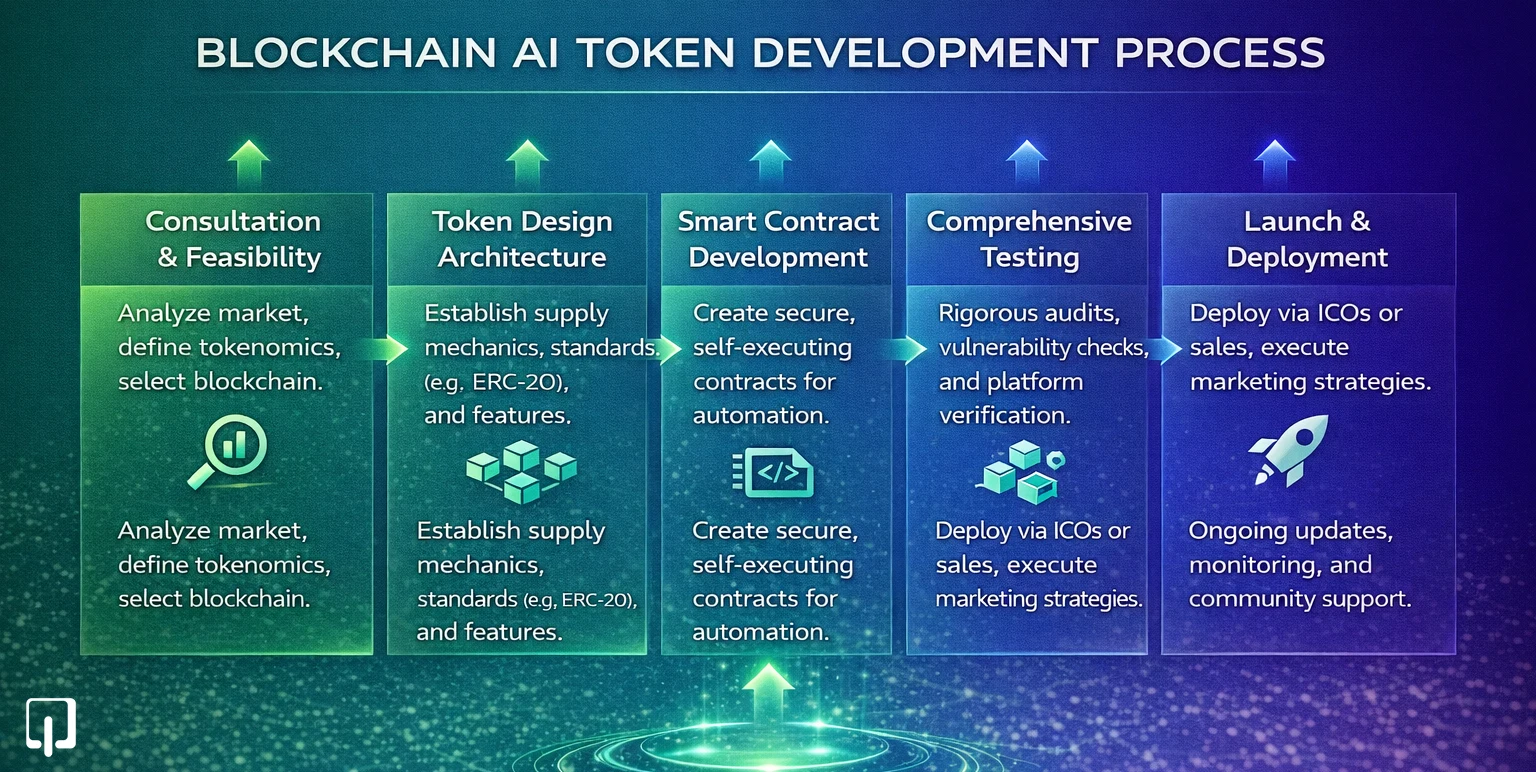
Examine how rewards are distributed. Gamified approaches, such as Sapien’s model, incentivize accuracy through token rewards, which can improve data quality but may introduce volatility risks into your labeling budget. Ensure the token’s value proposition aligns with your long-term data acquisition strategy.
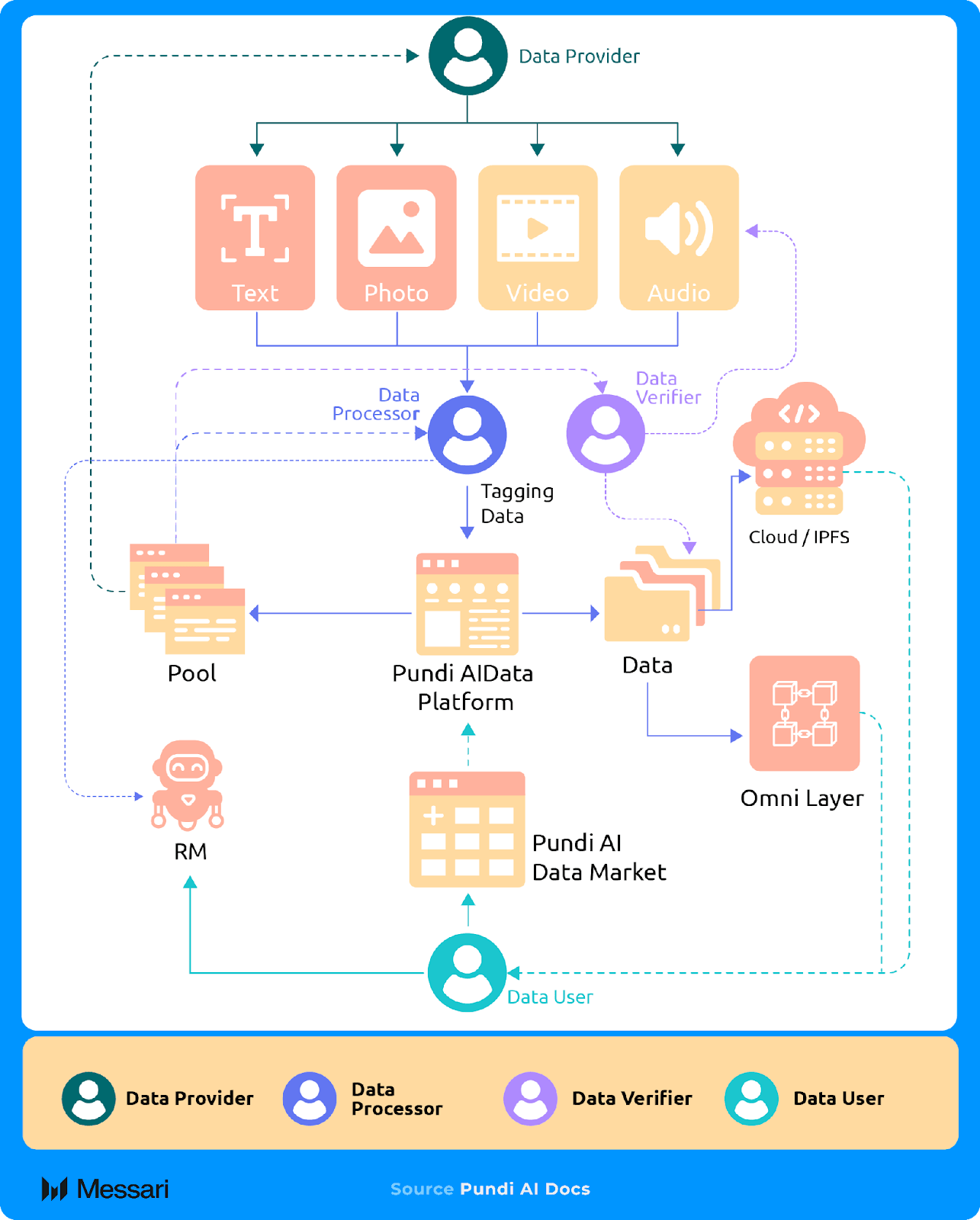
Prioritize platforms that offer transparent, on-chain verification of labeling tasks. Research indicates that decentralized platforms using blockchain for micropayments provide greater auditability, reducing the risk of fraudulent annotations. This transparency is critical for high-stakes AI model training where data integrity is non-negotiable.
A structured evaluation prevents costly integration errors and ensures your data pipeline remains robust against market volatility.
Frequently asked questions about token-incentivized data labeling
Is data labeling a viable career path?
Token-incentivized labeling offers a flexible, gig-based income stream rather than a traditional salaried position. Platforms like Deano compensate annotators with tokens for accurate work, creating a direct performance link. While it provides immediate liquidity, the income fluctuates with token valuations and task availability, requiring rigorous self-management.
How does token-based data labeling work?
The workflow mirrors traditional ML preparation but replaces fiat payouts with crypto incentives. Annotators review raw datasets, apply specific tags to ensure model accuracy, and receive token rewards upon verification. This system aligns vendor needs for high-quality training data with contributor incentives for precision.
What are the risks of tokenized labeling jobs?
Participants face smart contract vulnerabilities and token price volatility. Unlike stablecoin payouts, token rewards can lose value rapidly if the market shifts. Additionally, reliance on decentralized platforms means less regulatory protection for disputes regarding payment or task quality.
No comments yet. Be the first to share your thoughts!