
Token-incentivized data labeling limits to account for
Token-incentivized data labeling adds a cryptographic reward layer to the traditional annotation workflow. Instead of relying on fixed wages or volunteer goodwill, platforms distribute ERC-20 tokens to annotators based on the quality and volume of their contributions. This mechanism aims to align the interests of data providers and human labelers, creating a more dynamic marketplace for training data.
The core constraint lies in balancing incentive speed with accuracy verification. If tokens are distributed too quickly, annotators may rush through tasks, leading to noisy datasets that degrade model performance. Conversely, overly complex validation processes can delay rewards, reducing participation rates. Successful platforms, such as those exploring decentralized labeling architectures, use consensus mechanisms where multiple annotators verify the same data points before rewards are finalized.
This approach shifts the economic risk from the platform to the community. Annotators bear the opportunity cost of their time, while platforms gain access to scalable, on-demand labor. However, this model requires robust smart contract infrastructure to handle disputes and prevent gaming. Without these safeguards, the system remains vulnerable to sybil attacks or coordinated low-quality labeling, undermining the very accuracy it seeks to boost.
Token-incentivized data labeling choices that change the plan
Moving from centralized platforms to decentralized, token-based models introduces distinct operational risks alongside potential efficiency gains. While ERC-20 token incentives can lower labor costs by tapping into global annotator pools, they also shift quality assurance burdens onto the protocol itself. Readers evaluating this model must weigh the reduction in per-label costs against the volatility of token rewards and the complexity of consensus-based validation.
The following comparison breaks down the core tradeoffs between traditional centralized labeling and decentralized token-incentivized approaches. This analysis focuses on cost structure, quality control mechanisms, and data security implications.
| Factor | Centralized Platform | Token-Incentivized | Key Risk |
|---|---|---|---|
| Cost Structure | Fixed per-label fees; high overhead for management | Variable token rewards; lower base pay | Token volatility can distort long-term budgeting |
| Quality Control | Manual QA teams and strict SLAs | Consensus voting and reputation scores | False consensus may let low-quality labels pass |
| Data Security | Closed infrastructure with limited access | Public blockchain records; distributed storage | Potential metadata leakage or privacy risks |
| Scalability | Limited by hiring speed and geography | Near-instant global annotator access | Onboarding friction for non-crypto-native workers |
Token-based systems often rely on consensus mechanisms, where multiple annotators label the same data point and the majority view is accepted. While this reduces the need for expensive human QA teams, it can create a "false consensus" scenario where a group of malicious or untrained annotators agree on incorrect labels. In contrast, centralized platforms maintain direct oversight, allowing for immediate correction of systematic errors but at a significantly higher operational cost.
The economic model also introduces volatility. As seen in projects like Sapien, which raised funding to gamify data labeling with crypto rewards, the incentive structure is tied to market conditions. If token value drops, annotator engagement may plummet, leading to data shortages when models need training most. This makes token-incentivized labeling less predictable for enterprises requiring steady, high-volume data pipelines.
For organizations considering this approach, the primary check is whether your model can tolerate occasional data noise in exchange for lower costs. If your AI application requires high-stakes accuracy, such as in medical or financial imaging, the overhead of centralized QA may still be worth the premium. Token incentives are best suited for large-scale, general-purpose datasets where minor labeling errors can be filtered out during model training.
How to choose a token-incentivized data labeling platform
Token-incentivized data labeling shifts the cost structure from fixed labor fees to variable token rewards. This model can lower upfront expenses but introduces new variables: token volatility, smart contract risk, and the need for community management. Choosing the right platform depends on your specific data type, quality thresholds, and technical capacity to manage on-chain incentives.
The following steps outline a practical decision framework for evaluating these platforms. We prioritize concrete checks over abstract benefits.
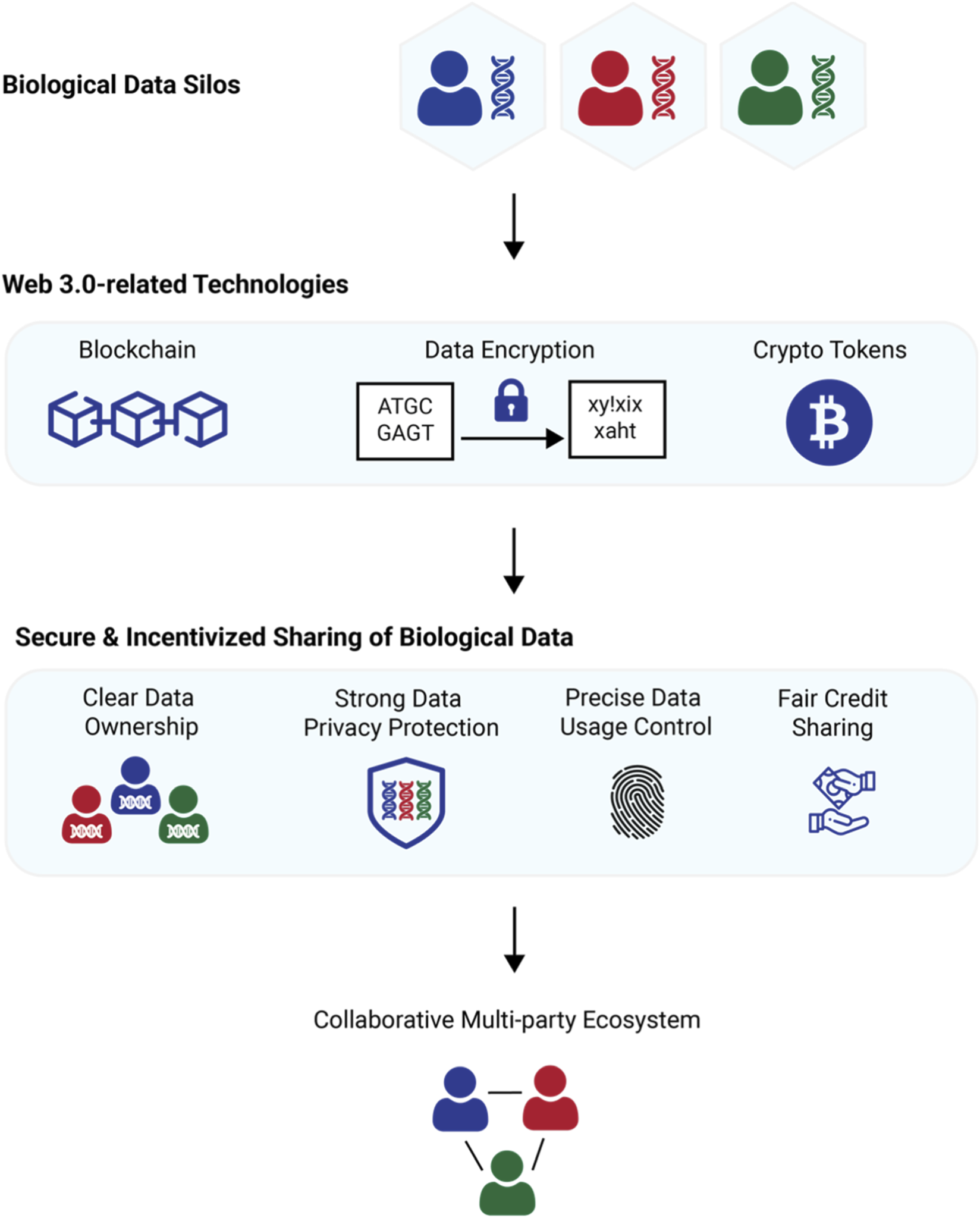
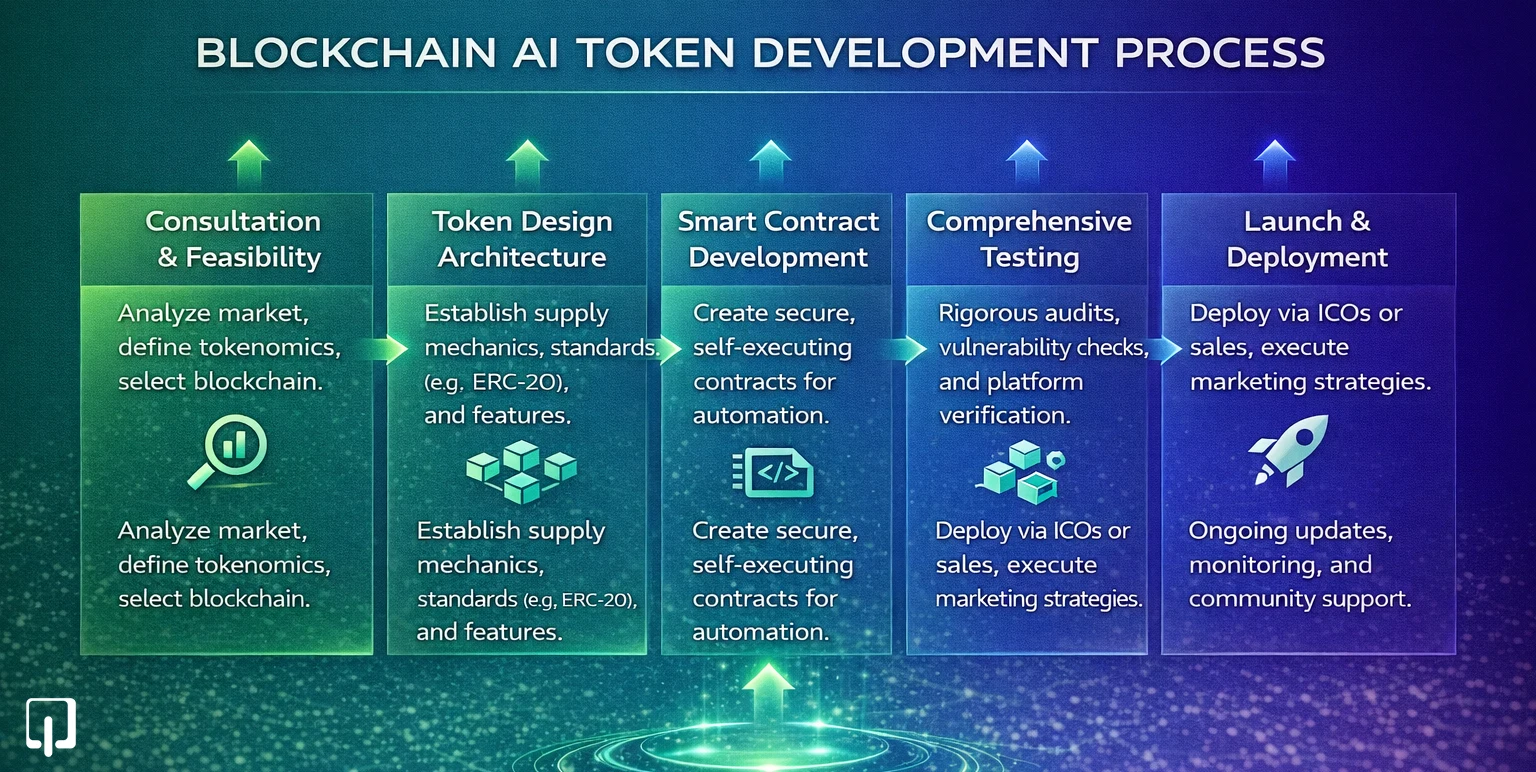
Look for platforms using established ERC-20 tokens or stablecoins for payouts. Paperwork from IEEE researchers highlights the importance of trustless environments where task completion is automated via smart contracts. Avoid platforms with obscure, low-liquidity tokens that could devalue before annotators cash out, which leads to churn and inconsistent data quality.

Token incentives alone do not guarantee accuracy. The best platforms combine financial rewards with multi-layered validation. Check if the platform uses consensus mechanisms (where multiple annotators label the same data) or AI-assisted pre-labeling. Projects like Deano demonstrate how community-driven verification can create a win-win for vendors and annotators by rewarding precision, not just volume.
Since these platforms are often decentralized, ensure they meet your data governance requirements. Look for features like zero-knowledge proofs, encrypted data handling, or compliance with GDPR/CCPA. If your data contains PII (Personally Identifiable Information), the platform must offer robust anonymization tools before the data reaches the token-incentivized workforce.

Your labeling workflow should not disrupt your existing MLOps pipeline. Prioritize platforms that offer clean APIs for pushing raw data and pulling labeled datasets. Manual uploads are inefficient for scale. Verify that the platform supports common formats (JSON, CSV, COCO) and integrates with popular annotation tools or cloud storage providers.

A token incentive is only as good as the people using it. Investigate the platform’s active user base. Are annotators from diverse geographic regions? Is there a vetting process for high-skill tasks (like medical or legal labeling)? A large, active community ensures faster turnaround times, but you must verify that the quality of annotations matches your project’s complexity.
Spotting Weak Token Incentive Models
Token-incentivized data labeling promises scalable, high-quality datasets by rewarding annotators with cryptocurrency. However, the market is saturated with projects that prioritize tokenomics over data integrity. When evaluating these platforms, look for mechanisms that penalize low-quality work, not just reward volume. Without strict quality gates, token rewards simply subsidize noise, degrading the training data for your AI models.
Common Pitfalls to Avoid
Many platforms claim to offer "trustless" labeling via ERC-20 tokens, but trust is earned through verification, not just decentralization. Be wary of models that lack multi-layered consensus mechanisms, where multiple annotators must agree on a label before payment is released. Also, watch for inflationary token designs that dilute rewards, causing annotators to rush through tasks. A sustainable model aligns long-term token value with data accuracy, ensuring annotators are motivated to be precise, not just fast.
Evaluating Vendor Options
When comparing vendors, focus on their quality assurance protocols rather than just their token price. Look for platforms that use human-in-the-loop oversight and automated validation checks. Avoid projects with vague whitepapers or those that rely solely on community voting without technical safeguards. The most reliable platforms, such as those leveraging decentralized networks like Deano, combine token incentives with rigorous error-correction workflows to ensure the data you receive is actually useful for model training.
Token-incentivized data labeling: what to check next
What is meant by data labeling?
Data labeling is the process of tagging raw data—images, text, or audio—with descriptive tags so machine learning models can recognize patterns. For example, a computer vision model needs images of cars marked with bounding boxes to learn what a vehicle looks like. Without this structured metadata, AI systems cannot distinguish between objects or understand context.
How does AI data labeling work?
The workflow typically involves uploading raw datasets to a platform where human annotators apply tags or classifications. In token-incentivized systems, smart contracts automate the distribution of rewards based on the accuracy and speed of the labeling tasks. This creates a decentralized marketplace where quality is verified on-chain rather than through traditional management oversight.
What is data labeling in AI?
In AI, data labeling transforms unstructured information into structured training data. It serves as the foundation for supervised learning, where algorithms learn from labeled examples. Token-based platforms enhance this by allowing contributors to earn cryptocurrency for high-quality annotations, creating a more scalable and transparent supply chain for model training data.
What is an AI data labeling job?
An AI data labeling job involves performing specific annotation tasks, such as identifying objects in images, transcribing audio, or categorizing text. Workers are often paid per task or via token rewards based on performance metrics. These roles require attention to detail and adherence to specific guidelines to ensure the training data meets the accuracy standards required by AI developers.
No comments yet. Be the first to share your thoughts!