
Get token-incentivized data labeling right
Token incentives transform data labeling from a transactional chore into a community-driven workflow. However, the mechanism only works if the underlying structure is sound. Before launching a platform or integrating tokens into your labeling pipeline, you must verify three critical prerequisites: clear task definitions, robust identity verification, and a sustainable token economy. Skipping these steps leads to low-quality annotations and rapid token inflation, which destroys the value proposition for both annotators and AI developers.
Define precise annotation guidelines
Ambiguity is the enemy of quality. Your labeling guidelines must be exhaustive, covering edge cases that AI models frequently misclassify. Vague instructions lead to inconsistent labels, which poison the training data. Use the ERC-20 Token for Incentivized Data Labeling research to understand how standardized task definitions reduce noise in decentralized environments. Clear guidelines also serve as the basis for automated quality checks, ensuring that token rewards are tied to measurable accuracy.
Verify annotator identity and skill
Sybil attacks—where one person creates multiple identities to farm tokens—are a major risk in decentralized labeling. Implement a verification layer that ties each annotator to a unique identity. This doesn't necessarily mean full KYC (Know Your Customer) for every user, but it does require a robust reputation system. Platforms like Deano demonstrate how community-based verification can maintain high standards. By rewarding consistent accuracy over time, you encourage long-term commitment rather than quick, low-effort submissions.
Design a sustainable token economy
Your tokenomics must balance supply and demand. If you print tokens too quickly, their value drops, and annotators lose motivation. If you restrict supply too much, you won't attract enough workers. Start with a fixed inflation schedule tied to data quality metrics. Consider a staking mechanism where annotators lock up tokens to access higher-paying tasks, which also discourages bad actors. This aligns the interests of the platform, the annotators, and the AI models being trained.
How to Implement Token-Incentivized Data Labeling
Token-incentivized data labeling replaces fixed per-task payments with blockchain-based rewards, aligning annotator behavior with data quality. By issuing ERC-20 tokens for accurate annotations, platforms reduce fraud and improve model performance. This guide walks through the implementation steps for building a decentralized labeling system.
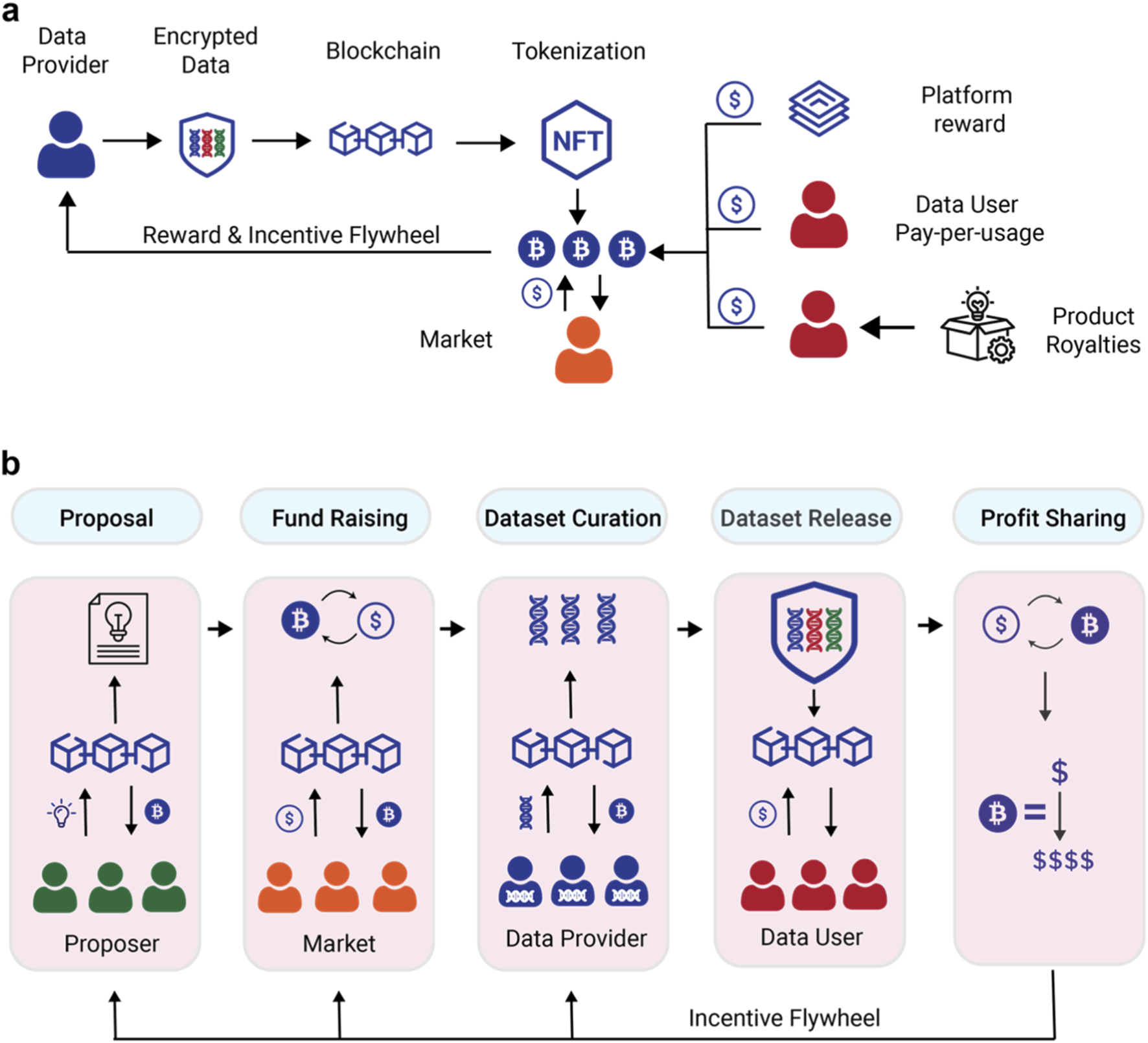
Define the reward structure before writing code. Determine how many tokens are awarded per correct label and what penalties apply for low-quality submissions. Research from IEEE shows that ERC-20 tokens can create a trustless environment where developers and researchers interact without centralized oversight. Ensure the token supply is sustainable and the reward-to-effort ratio attracts enough annotators.
Create a smart contract that handles token distribution and quality verification. The contract must track which annotator submitted which label and verify its accuracy against a consensus mechanism or expert review. Use standard ERC-20 implementations for compatibility. Include functions to distribute rewards and slash tokens for malicious or low-quality work. This ensures the incentive layer is automated and immutable.
Build a user-friendly frontend where annotators can connect their wallets and view available tasks. The interface should display real-time token balances and reward estimates for completing tasks. Integrate wallet connection protocols like WalletConnect. Make the submission process simple: select labels, confirm, and receive tokens instantly upon verification. A clear UI reduces friction and increases participation.
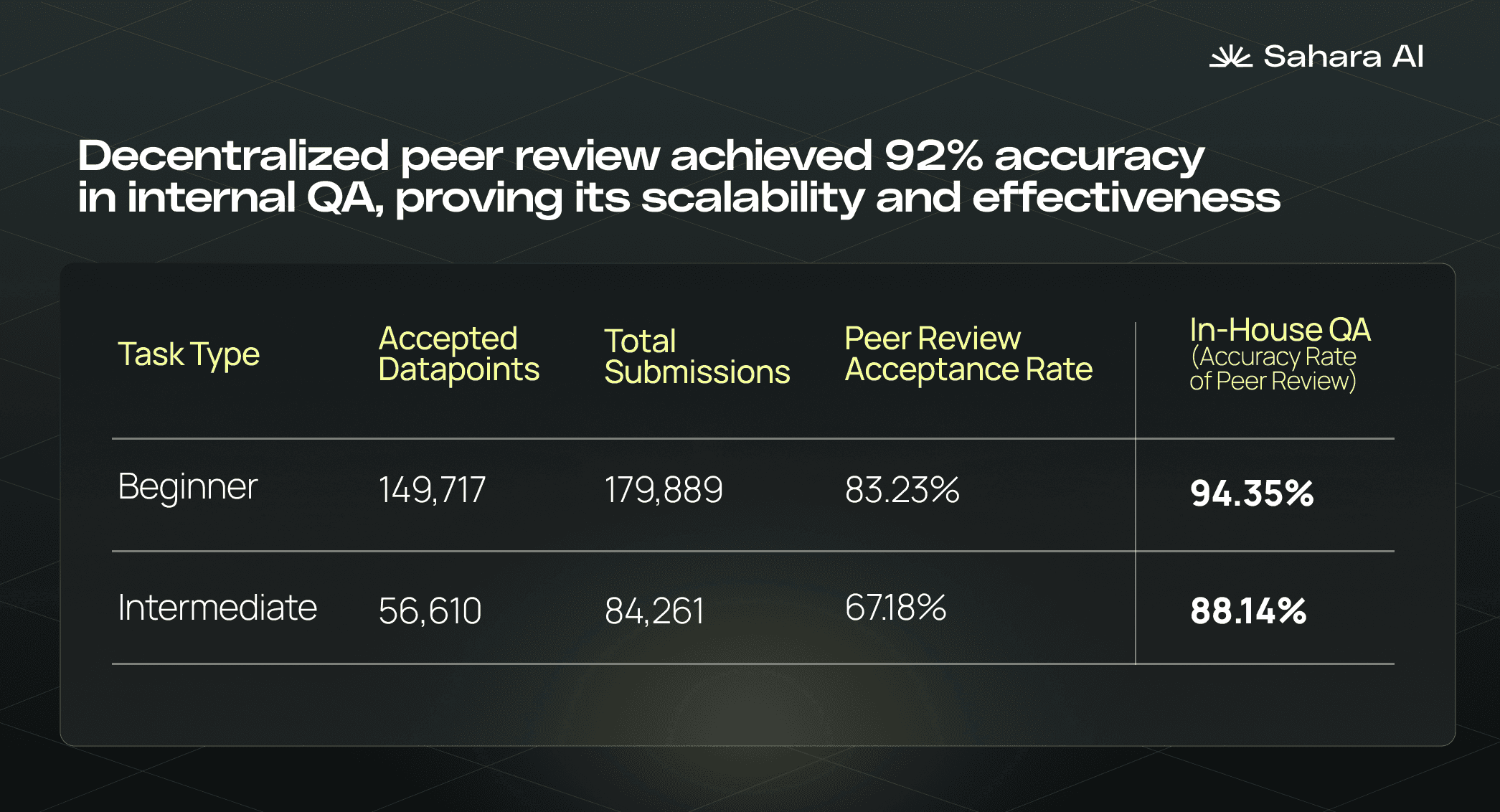
Set up a system to verify label accuracy. This can involve multiple annotators labeling the same item and using majority voting, or having expert reviewers spot-check submissions. The smart contract should automatically distribute tokens only when the quality threshold is met. This step is critical to prevent token inflation from low-quality data. Without robust quality control, token incentives can lead to spam rather than useful training data.

Deploy the platform and monitor token flow and data quality metrics. Adjust reward rates based on annotator feedback and data volume needs. Projects like Deano demonstrate that incentivizing annotators with community tokens can create a win-win situation for vendors and data providers. Regularly audit the smart contract for security vulnerabilities and update the tokenomics if inflation or deflation trends emerge.
Fix common mistakes
Token incentives work only when the labeling task is clear and the reward structure aligns with quality. When these elements are misaligned, annotators chase volume over accuracy, and the resulting dataset degrades model performance. The following errors are the most frequent causes of failure in token-incentivized labeling projects.
Setting vague or ambiguous task instructions
Unclear instructions lead to inconsistent labels. Annotators may interpret guidelines differently, resulting in noisy data that is expensive to clean. Always provide concrete examples of correct and incorrect labels. Include edge cases in your documentation to reduce ambiguity.
Rewarding quantity over quality
Paying tokens per completed task without quality checks encourages speed over accuracy. Annotators may rush through items or click randomly to maximize earnings. Implement a dual-reward system: base tokens for completion and bonus tokens for passing quality assurance checks. Use consensus mechanisms where multiple annotators label the same item to detect outliers.
Ignoring annotator expertise and specialization
Not all tasks require the same skill level. Assigning complex medical or legal labeling to general annotators leads to high error rates. Match task complexity to annotator expertise. Use qualification tests to verify skills before assigning specialized tasks. This ensures that high-value data is labeled by qualified personnel.
Lack of real-time feedback and support
Annotators working in isolation may develop bad habits that go unnoticed. Provide a feedback loop where annotators can ask questions and receive corrections quickly. Real-time feedback helps align annotators with the ground truth faster, reducing the volume of mislabeled data.
Inadequate token utility and value stability
If the token has no clear utility or suffers from extreme volatility, annotators may devalue the reward. Ensure the token has a clear use case within the ecosystem, such as access to premium features or marketplaces. Consider stablecoin alternatives or hybrid models to mitigate value risk for annotators.
Token-incentivized data labeling: what to check next
Before adopting a token-based system, it helps to distinguish the core mechanics from the incentives. Data labeling in AI is the process of tagging raw data—images, text, or audio—with categories that teach machine learning models to recognize patterns. Without this structured input, models cannot learn. An AI data labeling job involves humans performing these tags, often through specialized platforms. Token incentives replace or supplement traditional payments, rewarding annotators with cryptocurrency for accuracy and volume. This shifts the dynamic from a simple transaction to a participation economy, where consistent high-quality work earns digital assets. Understanding these fundamentals clarifies why platforms use tokens to scale workforce reliability.
No comments yet. Be the first to share your thoughts!