
The decentralized data labeling shift
Centralized data labeling has become the primary bottleneck for large language model development. The traditional model relies on a small number of vendors or outsourced labor pools, creating a single point of failure and driving costs upward as model complexity increases. This centralized scarcity limits the velocity of AI training, making it difficult for developers to scale datasets without incurring prohibitive expenses.
Token-incentivized labeling offers a structural alternative. By distributing the labeling task across a decentralized network, projects can tap into a global, on-demand workforce. This approach democratizes data contribution, allowing anyone with relevant expertise to participate in real-time. The economic mechanism shifts from fixed contract fees to variable token rewards, aligning the incentives of labelers with the quality and volume of their contributions.
This shift is not merely logistical; it is financial. Token models introduce liquidity and flexibility to data markets that centralized vendors cannot match. As the cost of compute continues to drop, the cost of high-quality data becomes the dominant expense. Decentralized labeling addresses this by creating a competitive market where quality is rewarded and supply is elastic.
How Smart Contracts Automate Data Labeling Payments
The shift toward token-incentivized data labeling relies on the ability to execute trustless, automated transactions at scale. Two distinct blockchain architectures currently dominate this infrastructure: Ethereum’s ERC-20 standard and Solana’s high-throughput network. Each offers a different approach to managing the friction between labeler compensation and AI developer budgets.
ERC-20 Tokens for Trustless Execution
ERC-20 tokens provide a standardized framework for creating decentralized data labeling platforms (DDLP). As outlined in IEEE research, these platforms use smart contracts to enforce agreement terms without intermediaries. When a labeler completes a task, the smart contract automatically verifies the output against consensus rules and releases the corresponding token reward.
This model prioritizes security and decentralization. However, the cost of gas fees on Ethereum can erode the value of small micropayments, making it less efficient for high-volume, low-value labeling tasks. It remains the preferred choice for projects requiring high-value, auditable datasets where transaction costs are secondary to data integrity.
Solana Micropayments for Scale
Solana addresses the scalability bottleneck inherent in ERC-20 systems. By leveraging its high throughput and near-zero transaction fees, Solana enables true micropayments for data labeling. A recent study on decentralized data labeling highlights Solana’s ability to process thousands of transactions per second, allowing platforms to compensate labelers for granular, real-time contributions.
This architecture lowers the barrier to entry for both labelers and developers. The minimal cost per transaction ensures that even small datasets can be incentivized economically. For large-scale AI training runs requiring millions of labeled samples, Solana’s infrastructure offers the necessary liquidity and speed to sustain continuous labor markets.
Aligning rewards with data quality
The central risk in token-incentivized labeling is volume fraud. When rewards are tied strictly to the quantity of labeled items, contributors optimize for speed, flooding the dataset with low-effort or automated noise. This creates a liability for LLM developers, who must then spend more resources filtering bad data than they saved by outsourcing the labeling. The cost model collapses when quality is decoupled from compensation.
To prevent this, smart contracts must automate payment distribution based on predefined quality conditions rather than simple submission counts. Sahara AI notes that structuring rewards to encourage high-quality contributions is essential for long-term success; without this alignment, the system becomes susceptible to gaming. The incentive structure must penalize inaccuracy more than it rewards speed.
Consensus mechanisms provide the technical framework for this alignment. Instead of accepting the first label, the protocol requires multiple independent annotators to agree on a label before the token reward is released. This creates a natural audit trail: if a contributor’s labels consistently deviate from the consensus, their reputation score drops, and their future earning potential is reduced. It shifts the dynamic from a transactional gig economy to a reputation-based market.
The following comparison illustrates the structural shift from traditional centralized models to this consensus-driven approach.
| Feature | Centralized Labeling | Token-Incentivized Labeling |
|---|---|---|
| Cost Structure | Fixed cost per hour or item; high overhead | Variable cost; pays for verified accuracy |
| Quality Control | Manual review by project managers; slow | Automated consensus; real-time validation |
| Scalability | Limited by human workforce availability | Elastic; scales with global contributor pool |
| Fraud Risk | Low (controlled environment) | High without consensus mechanisms |
Implementation steps for AI teams
Integrating token-incentivized labeling into an existing LLM training pipeline requires treating the data acquisition layer as a financial instrument. You are not merely hiring annotators; you are managing a decentralized liquidity pool for high-quality training data. The workflow below outlines the technical sequence for deploying this infrastructure, moving from chain selection to pipeline integration.
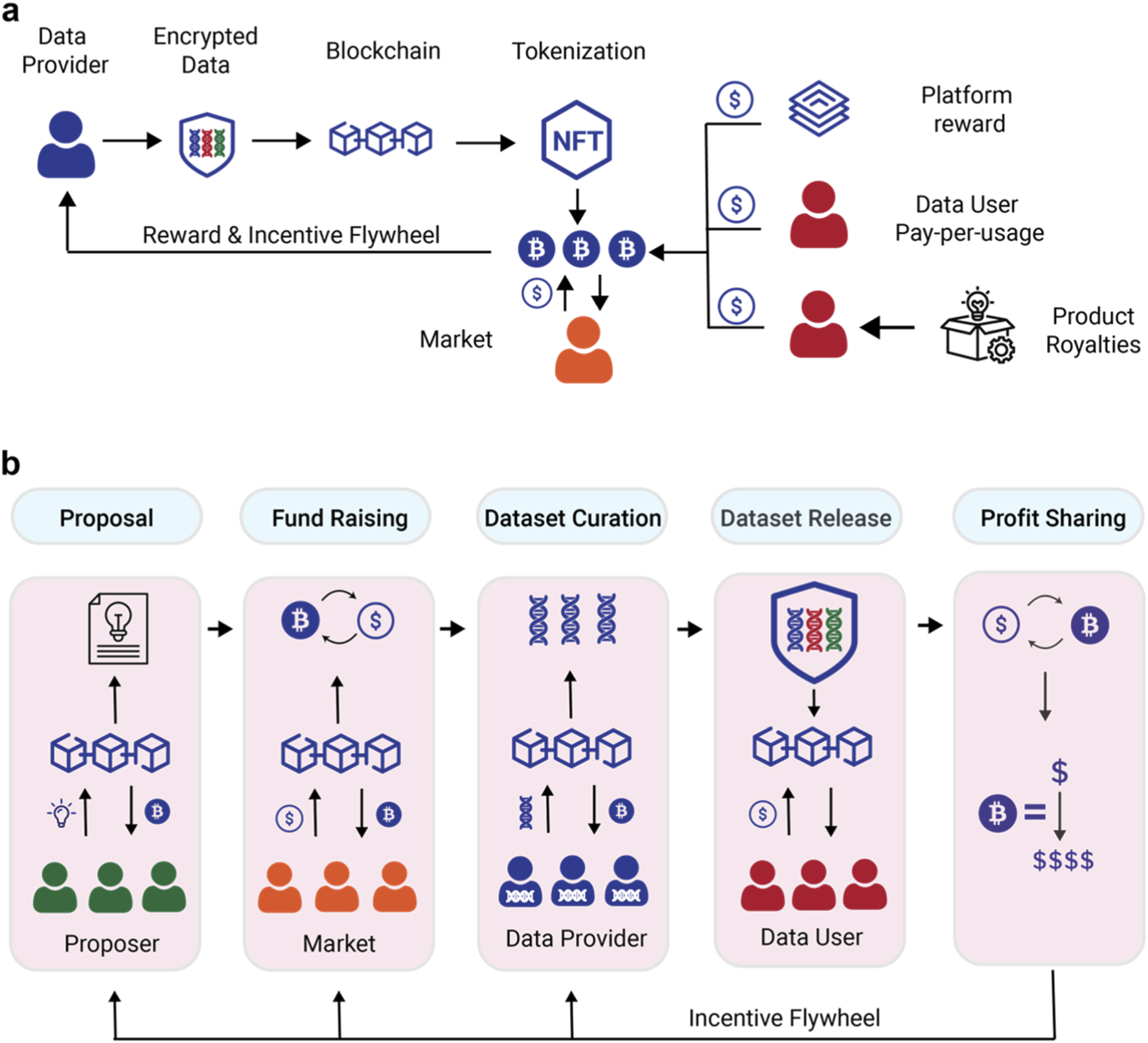
Choose a blockchain that supports high-throughput micropayments with negligible gas fees. Ethereum L2s or Solana are standard choices for this workload, as the cost per label must remain fractions of a cent to be economically viable at scale. Research from IEEE and TechRxiv highlights the efficiency of ERC-20 tokens and Solana-driven micropayments for trustless data environments.

Encode your labeling guidelines into smart contracts that automatically distribute tokens upon verified completion. Implement a consensus mechanism where multiple annotators label the same sample; tokens are only released when inter-annotator agreement exceeds a set threshold. This creates a self-correcting system that penalizes low-quality submissions without manual oversight.
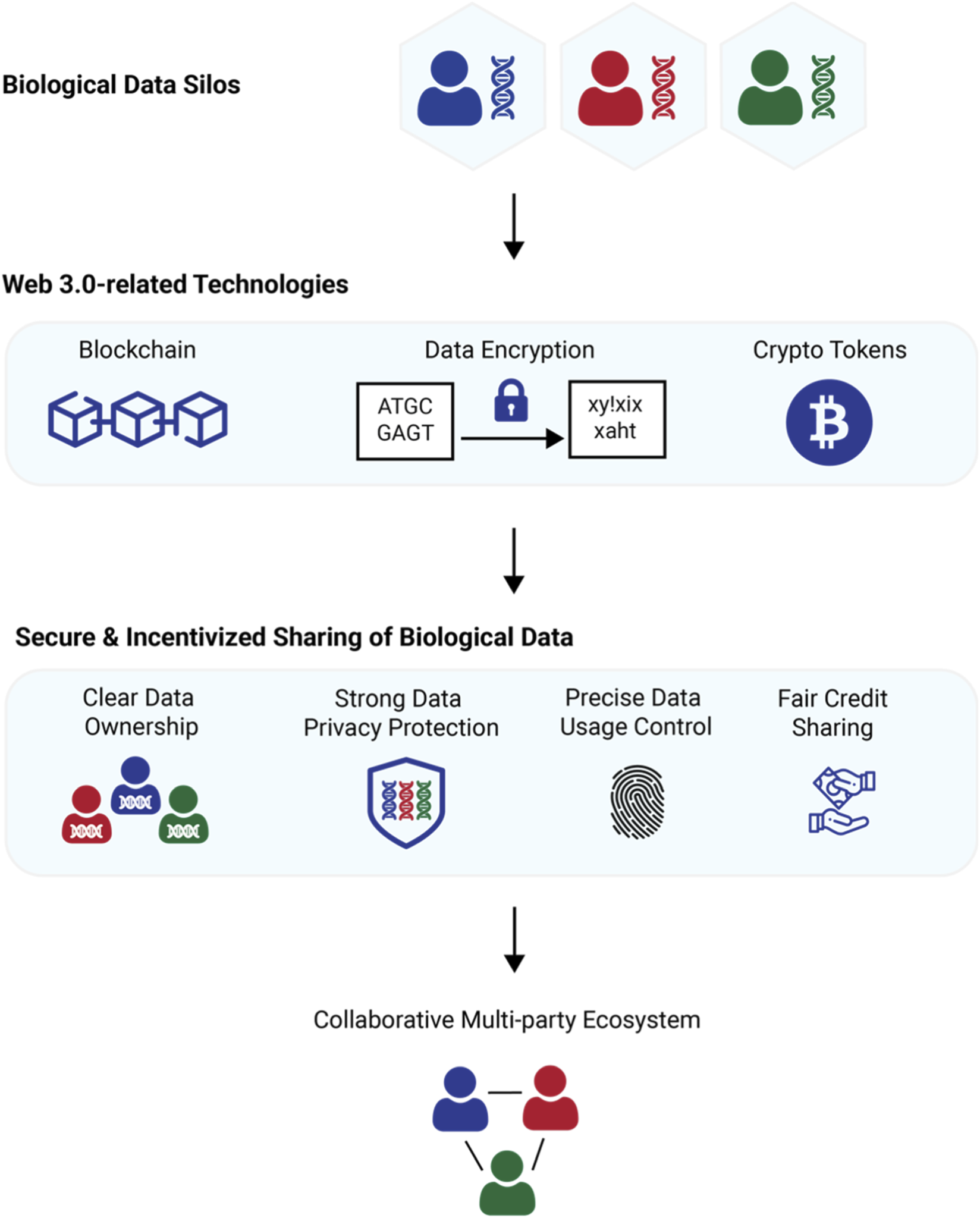
Connect your data ingestion scripts to the blockchain’s event logs. Instead of pulling from static datasets, your training pipeline should subscribe to new, verified label events. This ensures that the model is trained on the freshest, most rigorously vetted data available in the market, reducing the lag between data generation and model improvement.
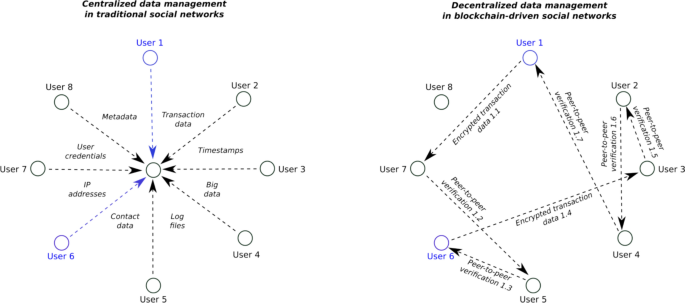
Treat the token reward as a dynamic variable. If your platform sees a shortage of annotators for specific edge cases, increase the token payout for those categories. Conversely, reduce rates for high-volume, low-complexity tasks. This market-driven approach ensures you only pay premium rates for the data that actually moves the needle on model performance.
This approach shifts data labeling from a fixed operational cost to a variable, performance-based expense. By aligning financial incentives with data quality, you create a sustainable loop for continuous model refinement.
Common Questions on Token Labeling
What is the incentive model of Blockchain?
Incentive models for blockchain are structured to balance supply and demand within the ecosystem. Block rewards are designed to decrease over time, typically through mechanisms like halving events, which directly impact the cost structure of data labeling protocols.
How does data tokenization work?
Data tokenization converts sensitive information into a nonsensitive digital replacement, or token, that maps back to the original data. This process allows for secure storage and verification of labeled datasets without exposing raw, proprietary information.
Why use tokens for data labeling instead of fiat?
Token-based incentives align the economic interests of data contributors with the long-term value of the resulting AI models. This reduces counterparty risk and ensures that contributors are compensated in an asset that may appreciate as the underlying data utility increases.
No comments yet. Be the first to share your thoughts!