
Set up the labeling environment
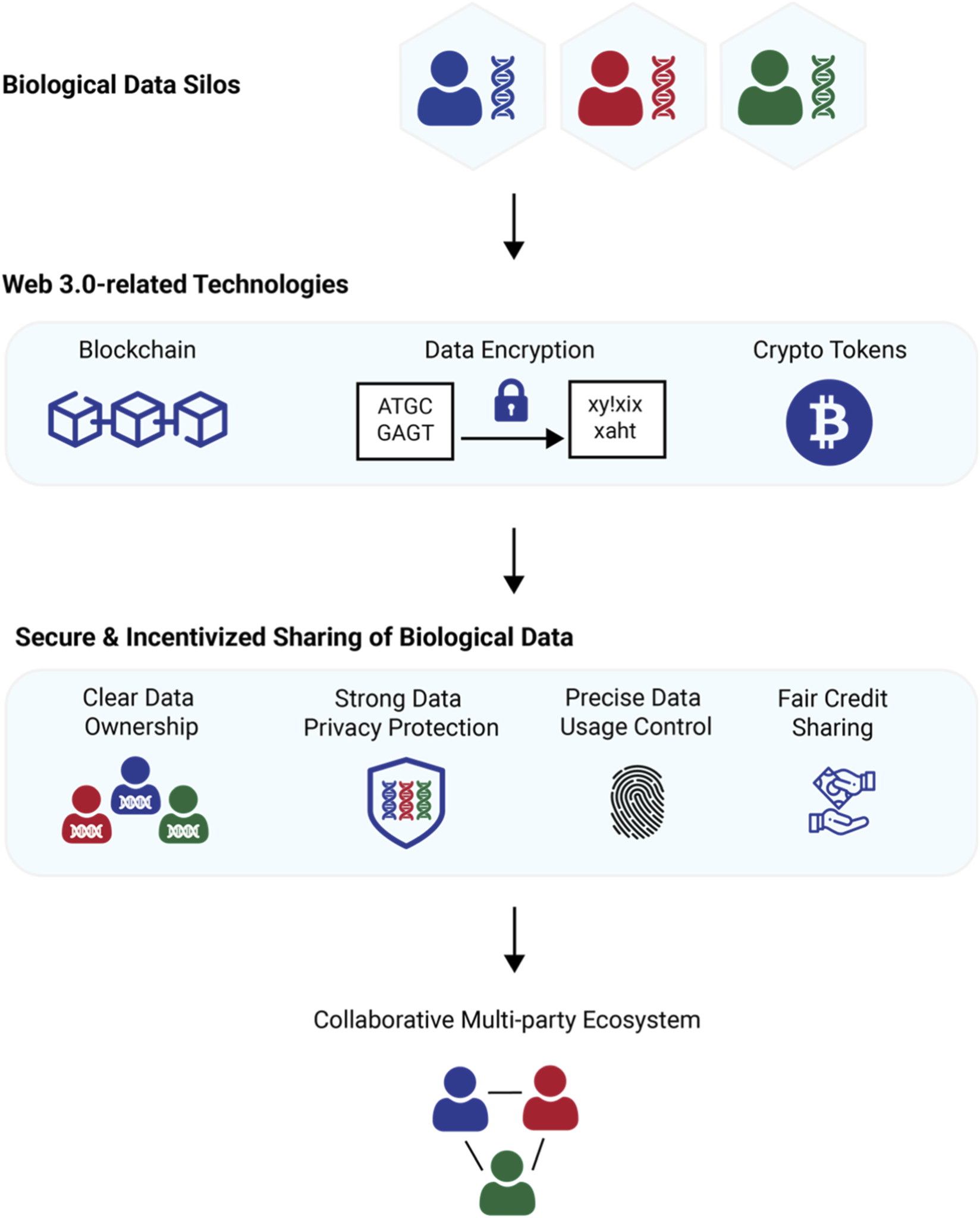
Building a token-incentivized data labeling system requires a robust technical foundation that bridges decentralized storage, smart contract logic, and token economics. The goal is to create a trustless environment where data contributors are automatically rewarded for high-quality annotations without relying on a central intermediary. This section outlines the initial configuration steps for the smart contract environment, focusing on the integration of ERC-20 token standards for micropayments.
Choose the blockchain and token standard
Select a blockchain network that supports ERC-20 tokens, such as Ethereum or a compatible Layer-2 solution, to handle micropayments efficiently. The ERC-20 standard is widely adopted because it provides a predictable interface for token transfers, ensuring that contributors can seamlessly receive rewards for their work. Research from IEEE indicates that platforms like DDLP (Decentralized Data Labeling Platform) leverage Ethereum smart contracts combined with decentralized storage solutions like IPFS to maintain data integrity while rewarding participants [1]. This combination ensures that the labeling data is stored securely off-chain while the incentive logic remains transparent and immutable on-chain.
Configure the smart contract framework
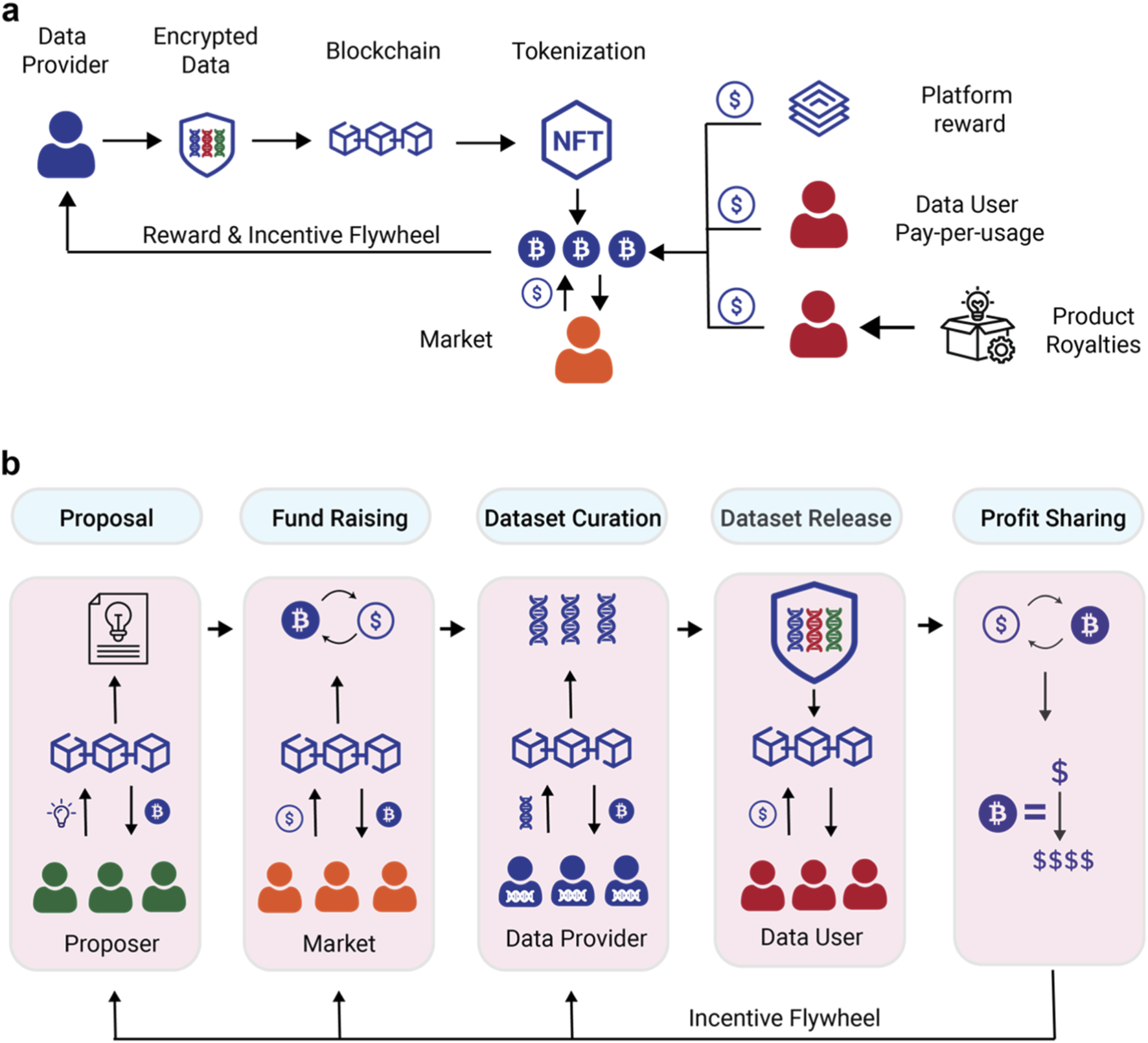
Initialize the smart contract environment using a development framework like Hardhat or Foundry. These tools allow you to compile, test, and deploy your Solidity contracts with precision. Define the token contract to include functions for minting rewards, distributing payments to labeled data providers, and burning tokens to manage supply if necessary. Ensure the contract includes basic access control to restrict administrative functions, such as setting reward rates, to trusted addresses. This step establishes the financial engine of your labeling platform, allowing it to automatically distribute tokens upon verification of labeled data.
Integrate decentralized storage for data
Connect your smart contract to a decentralized storage network like IPFS to manage the actual labeling data. Smart contracts are not designed to store large files, so they should only hold the content hashes (CID) of the data stored off-chain. When a contributor submits a labeled dataset, upload the data to IPFS and record the resulting CID in your smart contract. This approach reduces gas costs significantly while ensuring that the data remains accessible and tamper-proof. The link between the token rewards and the data verification process is established through these hashes, creating a verifiable trail from contribution to payment.
Set up the contributor interface
Develop a simple frontend interface that allows contributors to interact with the smart contract and view their pending rewards. This interface should handle wallet connections (such as MetaMask), display the current token balance, and provide buttons to submit labeled data or claim rewards. By abstracting the complex blockchain interactions into a user-friendly experience, you lower the barrier to entry for data labelers who may not be familiar with Web3 technologies. This step is critical for adoption, as the ease of use directly impacts the quality and quantity of the data you will receive.
Initialize your project directory using npm init and install Hardhat and the OpenZeppelin contracts library. These tools provide the necessary scaffolding for writing and testing Solidity code. Verify the installation by running npx hardhat to ensure the environment is ready for contract compilation.
Create a new Solidity file that inherits from OpenZeppelin's ERC20 contract. Implement functions to mint tokens to contributors and transfer rewards. Define the total supply and initial distribution logic, ensuring that the token economy is sustainable and aligned with your data labeling goals.
Use a testnet like Sepolia or Goerli to deploy your smart contracts. This allows you to test the interaction between the token contract, the storage integration, and the frontend interface without risking real funds. Verify the deployment on a block explorer to ensure the contracts are live and accessible.
Implement a function in your smart contract that accepts an IPFS CID and records it on-chain. Test this function by uploading a sample labeled dataset to IPFS and calling the function with the resulting hash. This establishes the core data pipeline for your platform.
Develop a React or Next.js frontend that connects to the deployed contracts. Implement wallet connection logic, display token balances, and create forms for submitting labeled data. Ensure the UI provides clear feedback on transaction status and reward accrual.
Design the token reward structure
To ensure your AI training data is reliable, you must decouple compensation from raw volume. A flat rate per annotation invites spam and low-effort work. Instead, design a token reward structure that penalizes inaccuracy and rewards consistency. This approach aligns the labeler’s financial interest with the model’s need for clean, high-fidelity data.
Establish quality-weighted payouts
Start by defining a baseline token value for a verified, correct annotation. Then, introduce a quality multiplier. If a labeler’s work passes a secondary audit or achieves high agreement with expert validators, their payout increases. Conversely, if errors are detected, apply a deduction. This creates a direct feedback loop where precision pays more than speed.
Implement anti-gaming mechanisms
Token systems are vulnerable to Sybil attacks, where bad actors create multiple identities to farm rewards. Mitigate this by requiring identity verification or staking tokens before accessing high-value tasks. If a labeler submits fraudulent data, their staked tokens are slashed. This economic barrier ensures that only committed, serious contributors participate in your labeling pipeline.
Set dynamic difficulty tiers
Not all data points are equal. Reserve high-value tokens for complex, ambiguous, or rare edge cases that require human judgment. Simple, repetitive tasks should yield lower token rewards. This tiered structure prevents labelers from ignoring difficult samples in favor of easy ones, ensuring your model is trained on a balanced and representative dataset.
Validate through consensus
Use a consensus mechanism to determine the "ground truth." For each data point, assign it to multiple labelers. The final label is accepted only if a majority agrees, or if it matches a trusted expert’s annotation. This redundancy filters out individual errors and ensures that the tokens you distribute are backed by verified, high-quality contributions.
Integrate AI-assisted pre-labeling
Pre-labeling is the engine that keeps token-incentivized data labeling economically viable. Without it, human contributors spend too much time on low-value labeling tasks, eroding the efficiency of the reward loop. By using existing AI models to generate initial labels, you reduce the human workload to verification and refinement. This shifts the contributor’s role from creator to validator, ensuring higher quality at a lower cost.
The process begins by selecting a base model suitable for your data type—whether image, text, or audio. Deploy the model to generate predictions on raw, unlabeled data. These predictions become the "pre-labels" submitted to the network. Contributors then review these pre-labels, correcting errors or confirming accuracy. This verification step is where the token rewards are earned, incentivizing careful attention to detail rather than blind labeling.
To maintain data integrity, implement a consensus mechanism. If multiple contributors disagree with the AI’s pre-label, the system flags the data for higher-level review or automatic rejection. This prevents poisoned data from entering the training set. The AI model also improves over time; use the verified human corrections to fine-tune the base model, creating a feedback loop that enhances future pre-labeling accuracy.
Run your chosen AI model (e.g., a pre-trained vision transformer or language model) against a batch of raw, unlabeled data. Configure the model to output confidence scores alongside predictions. Store these predictions in a structured format (JSON/CSV) ready for distribution to the labeling network. Ensure the model’s confidence threshold is set to filter out low-quality pre-labels automatically.
Upload the pre-labeled dataset to the contributor platform. Each task should present the raw data alongside the AI’s suggestion. Contributors are incentivized to review, not create from scratch. Implement a token reward structure that pays more for correcting significant errors than for confirming accurate pre-labels. This encourages critical engagement with the AI’s output.
Route each pre-labeled item to multiple independent contributors (e.g., 3-5 validators). If the majority agrees with the AI’s label, the item is marked as verified and the AI model is reinforced with this positive signal. If disagreements arise, the item is flagged for senior review or discarded. This consensus layer protects the dataset from both AI hallucinations and malicious contributor behavior.
Aggregate the corrected labels from the verification phase. Use this high-quality, human-validated dataset to fine-tune your base AI model. Retrain the model periodically to incorporate new edge cases identified by contributors. This closed-loop system ensures that the pre-labeling accuracy improves over time, further reducing the need for extensive human intervention in subsequent batches.
Implement peer validation mechanisms
Scale AI Training with Token-Incentivized Data Labeling works best as a clear sequence: define the constraint, compare the realistic options, test the tradeoff, and choose the path with the fewest hidden costs. That order keeps the advice usable instead of decorative. After each step, pause long enough to check whether the recommendation still fits the reader's actual situation. If it depends on perfect timing, unusual access, or a best-case budget, include a simpler fallback.
| Factor | What to check | Why it matters |
|---|---|---|
| Fit | Match the option to the primary use case. | A good deal still fails if it does not fit the job. |
| Condition | Verify age, wear, and service history. | Hidden condition issues erase upfront savings. |
| Cost | Compare purchase price with likely upkeep. | The cheapest option is not always the lowest-cost option. |
Verify data quality and token flows
Before scaling, validate that your incentive structure actually improves dataset integrity rather than just increasing volume. You need to confirm that smart contracts are executing correctly and that the data being ingested meets your model’s accuracy requirements.
Audit the smart contract logic
Ensure your ERC-20 token distribution aligns with the actual value of the labeled data. Systems like the Decentralized Data Labeling Platform (DDLP) use Ethereum smart contracts combined with IPFS storage to create a trustless environment where rewards are automatic and verifiable [src-serp-1]. Verify that your contract emits events for every successful label submission and that these events are indexed correctly for monitoring.
Validate data quality against incentives
Check if higher rewards correlate with higher inter-annotator agreement. If token payouts are too high relative to the difficulty of the task, you may attract bad actors or bots rather than skilled human labelers. Use a consensus mechanism where multiple annotators must agree on a label before the token is released, reducing the impact of low-quality submissions.
Check token flow transparency
Confirm that the on-chain ledger accurately reflects the off-chain data contributions. Platforms leveraging Solana for micropayments demonstrate how transparent, efficient tracking can prevent double-spending and ensure fair compensation [src-serp-3]. Run a test batch of labels and verify that the token transfer occurs only after the quality threshold is met.
-
Verify ERC-20 token distribution logic matches data value tiers
-
Confirm smart contract events are indexed and readable
-
Test inter-annotator agreement against reward thresholds
-
Validate on-chain ledger matches off-chain data contributions
Frequently asked: what to check next
How do smart contracts ensure fair compensation for labelers?
Token-incentivized systems automate payouts through verified submission hashes. By deploying ERC-20 token contracts, the platform removes intermediaries and ensures that rewards are distributed based on consensus algorithms. This trustless mechanism guarantees that labelers receive compensation immediately upon validation, reducing administrative overhead and preventing payment disputes.
Can blockchain incentives compromise data quality?
Quality is maintained through consensus mechanisms rather than simple volume-based rewards. Systems like the Decentralized Data Labeling Protocol (DDLP) use Ethereum smart contracts to aggregate labels from multiple participants. Only when a majority of labelers agree on a classification does the submission become valid and trigger a reward. This structure discourages low-effort labeling and incentivizes accuracy over speed.
What are the technical requirements for implementing this system?
Developers need to integrate decentralized storage solutions like IPFS with smart contract logic. The primary keyword focus is on setting up the environment to handle token flows and data verification. Key steps include deploying the labeling contract, configuring the reward distribution parameters, and linking the frontend interface to the blockchain node for real-time status updates.
No comments yet. Be the first to share your thoughts!