
Set up the smart contract foundation
To automate rewards and enforce quality gates, you must first establish a trustless technical baseline using the Ethereum blockchain. The core of this foundation is an ERC-20 token contract, which serves as the fungible reward currency for data labelers. This token standard ensures that every unit of value is interchangeable, allowing for precise, automated payouts based on the volume and accuracy of labeled data.
The smart contract logic goes beyond simple payments. It must integrate quality control mechanisms directly into the execution flow. For example, a decentralized data labeling platform (DDLP) employs Ethereum smart contracts to manage these interactions, ensuring that developers and researchers can operate without relying on a central authority. The contract should include staking requirements or penalty clauses to deter bad actors and ensure consistent labeling quality.
Implementing this foundation requires careful attention to gas efficiency and access control. The contract must be able to verify labels against a consensus mechanism or oracle before releasing tokens. This creates a closed loop where data quality is directly tied to economic incentives, reducing the need for manual oversight and lowering the cost of acquiring high-quality training data.
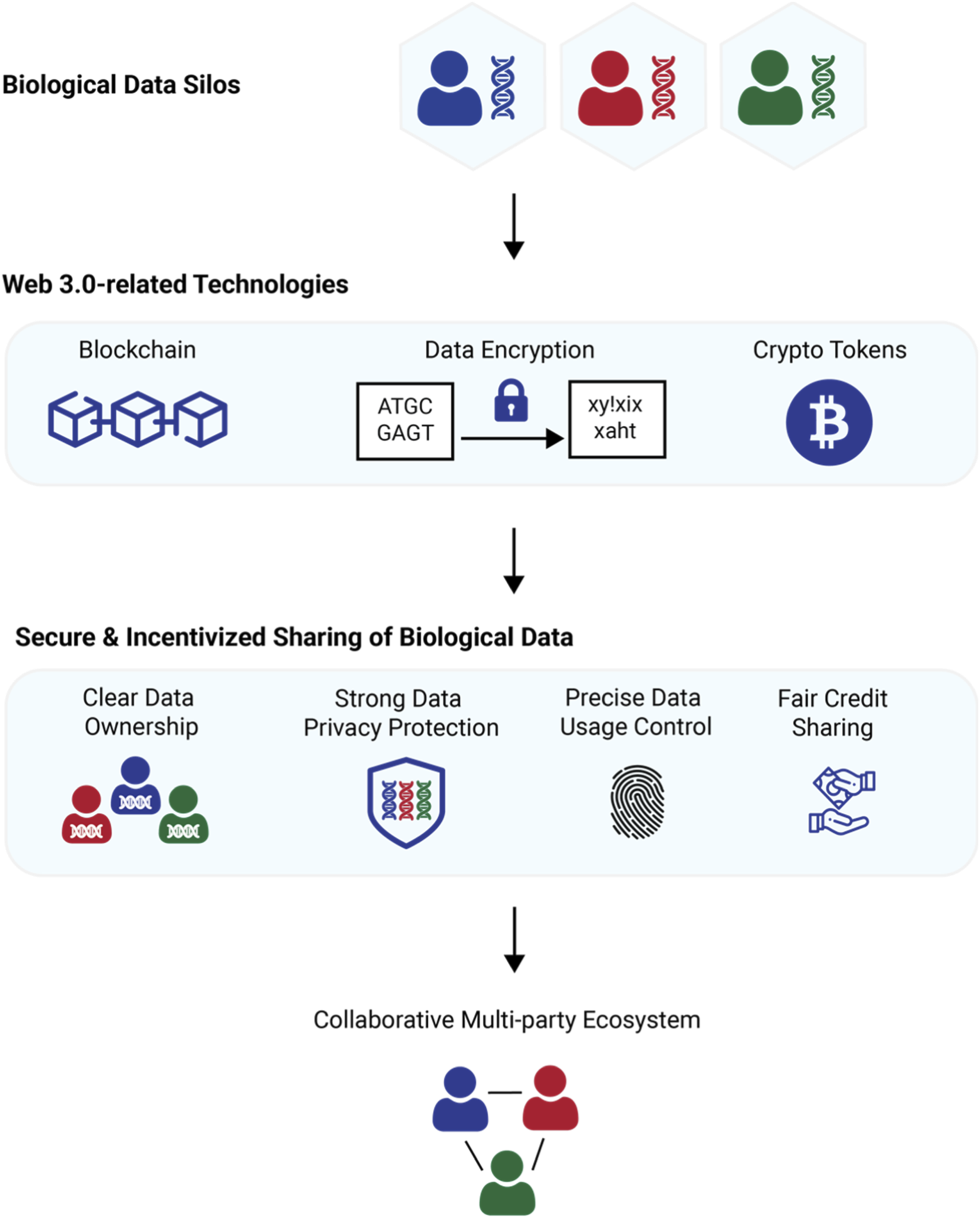
Integrate decentralized storage for data integrity
Decentralized storage shifts labeled data from vulnerable central servers to distributed networks like IPFS. This ensures that once a dataset is uploaded, it remains immutable and accessible without relying on a single provider that could fail or be censored. For token-incentivized pipelines, this immutability is the foundation of trust between data providers and model developers.
1. Pin and Verify Data Hashes
Before uploading, generate a cryptographic hash of your labeled dataset. This hash acts as the unique identifier for the data. When you upload to IPFS, the network returns a Content Identifier (CID). Always verify that the CID matches your local hash to ensure the file was not corrupted during transmission. This step creates an immutable record of the exact data version that was labeled.
2. Store on Distributed Networks
Use a decentralized storage solution to upload your data. Unlike traditional cloud storage, IPFS splits data into chunks and distributes them across multiple nodes. To ensure long-term availability, you must "pin" the data using a pinning service or run your own node. Without pinning, data can be garbage-collected by the network if no other nodes hold it. This distributed approach eliminates single points of failure, ensuring your training data remains available even if individual nodes go offline.
3. Link Storage to Smart Contracts
Record the final CID in your smart contract alongside the token reward transaction. This creates an on-chain proof of data integrity. Researchers can retrieve the data using the CID and verify its hash against the blockchain record. This linkage ensures that the data used for model training is exactly what the labelers were incentivized to produce, closing the loop on the trustless pipeline.
Note: Always pin your data. IPFS does not guarantee permanence on its own; without active pinning by a service or node, your labeled data may disappear from the network over time.
Configure micropayment rails for labelers
Build a Token-Incentivized Data Labeling Pipeline works best as a sequence, not a scramble through settings. Do the minimum first: confirm compatibility, connect the core hardware, update only when needed, and test the result before adding optional features. That order keeps the task understandable and makes failures easier to isolate. After each step, pause long enough for the interface to finish syncing. Many setup problems are timing problems disguised as configuration problems. If the same step fails twice, record the exact error, restart the smallest affected piece, and retry before moving deeper.
Implement peer validation and reputation scoring
Once labelers submit initial annotations, the system enters the validation phase. Instead of relying on a single supervisor, the pipeline distributes each data sample to multiple independent contributors. This creates a decentralized verification network where accuracy is determined by consensus rather than authority.
The Consensus Mechanism
The core of this system is majority voting. If three out of five labelers identify an object as a "car," the system accepts that label as ground truth. Disagreements trigger a tie-breaker round, often involving a higher-reputation validator or an AI model trained on historical consensus data. This approach reduces individual error rates and prevents malicious actors from poisoning the dataset with low-effort labels.
Reputation and Token Rewards
Reputation scores act as the economic engine for quality control. Labelers who consistently agree with the consensus gain reputation points, which unlock higher-paying tasks and larger token rewards. Conversely, those who frequently deviate from the consensus see their reputation drop, limiting their access to lucrative jobs. This creates a self-correcting incentive structure where high-quality work is financially rewarded.
Centralized vs. Decentralized Validation
Traditional data labeling often relies on centralized review boards, which are expensive and slow. Peer validation offers a scalable alternative, leveraging the crowd for speed and cost-efficiency while maintaining quality through economic incentives.
| Feature | Centralized Review | Peer Validation | Hybrid AI-First |
|---|---|---|---|
| Cost | High (salaries) | Low (per-task tokens) | Medium |
| Speed | Slow (bottlenecks) | Fast (parallel) | Fast |
| Bias Potential | Moderate (human error) | Low (consensus) | Low (AI correction) |
| Scalability | Hard to scale | Highly scalable | Highly scalable |
Handling Edge Cases
For ambiguous data points where consensus fails to emerge, the system flags the sample for manual review by top-tier validators. These experts earn premium tokens for resolving conflicts, ensuring that difficult cases are handled with care. This tiered approach balances efficiency with precision, allowing the pipeline to scale without sacrificing data integrity.
Test the pipeline with a small dataset
Before scaling a token-incentivized data labeling pipeline, you must validate that the reward mechanism actually improves accuracy rather than encouraging speed over quality. A controlled pilot program isolates these variables, allowing you to calibrate token economics and dispute resolution workflows without risking your primary dataset.
Treat this phase as a stress test for both the technology and the incentive structure. You need to verify that human labelers respond to the tokens as intended and that the blockchain recording remains immutable under load.
Select a small, diverse subset of your data that reflects the complexity of your full dataset. Include edge cases and ambiguous examples that typically require human judgment. This ensures your pilot tests the system’s ability to handle real-world noise, not just clean, obvious patterns.
Invite a small cohort of labelers to participate in the pilot. Clearly communicate the token reward structure, payment terms, and quality expectations. Ensure they understand that accuracy is weighted higher than volume, preventing the "speed trap" where users rush through tasks to maximize earnings.
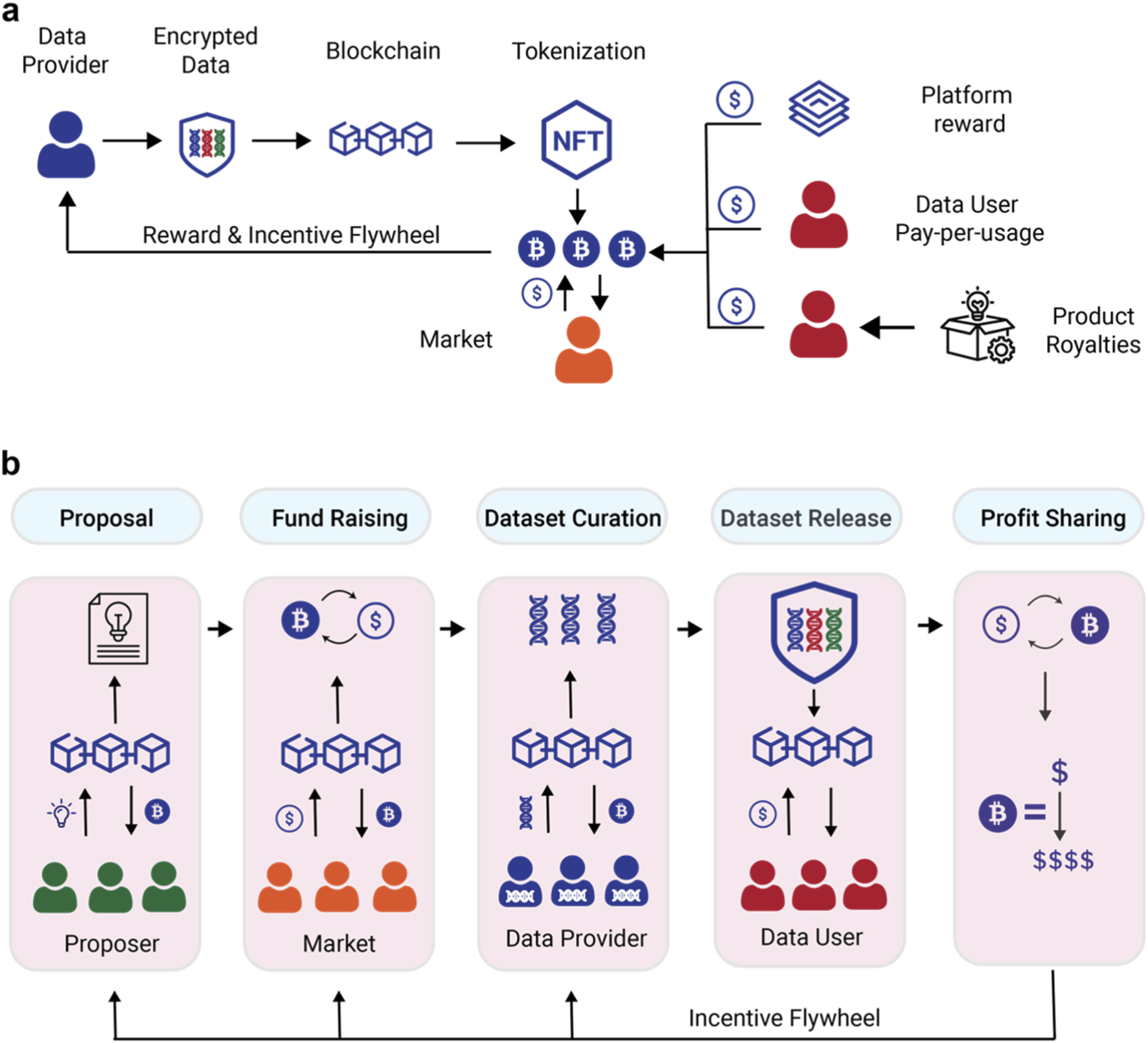
Launch the pilot and track key metrics: time per task, token distribution latency, and initial accuracy rates. Watch for anomalies, such as labelers consistently ignoring difficult examples or exploiting loopholes in the reward logic. Real-time monitoring allows you to adjust token values or task difficulty on the fly.
Test the mechanism for handling disagreements or low-quality submissions. Ensure that the blockchain ledger correctly records each label and that smart contracts execute token transfers without errors. Confirm that disputed items are flagged correctly and that the audit trail remains tamper-proof.

Compare the pilot’s accuracy rates against a baseline of non-incentivized labeling. Calculate the cost per accurate label to determine if the token incentives provide a net positive return. If accuracy improves significantly, you have proof of concept; if not, recalibrate your reward model before scaling.
Frequently asked questions about token incentives
Token-incentivized data labeling introduces unique economic and security dynamics compared to traditional crowdsourcing. Understanding how these systems handle volatility, identity verification, and data privacy is essential for building a robust pipeline.
No comments yet. Be the first to share your thoughts!