
What token-incentivized data labeling means
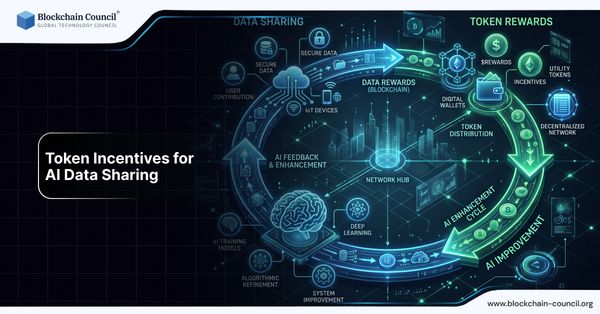
Token-incentivized data labeling is a mechanism where artificial intelligence training datasets are annotated by distributed contributors in exchange for cryptocurrency tokens. This model replaces traditional centralized labor markets with decentralized protocols, using smart contracts to automate verification and payment. The primary objective is to align economic incentives with data quality, ensuring that contributors are rewarded for accurate, high-value annotations rather than volume alone.
The system operates on a blockchain-based infrastructure, often utilizing ERC-20 tokens for transactions. As demonstrated in research on Decentralized Data Labeling Platforms (DDLP), smart contracts enforce predefined conditions for reward distribution. Contributors submit annotations, which are then validated by consensus mechanisms or quality control algorithms. Only when the output meets specific accuracy thresholds are tokens released to the annotator. This reduces the need for manual oversight and minimizes fraud, as dishonest actors risk losing future earning potential or having their tokens slashed.
By tying compensation directly to data utility, this approach addresses the scalability and quality issues inherent in traditional data labeling. It creates a global, permissionless workforce where the cost of data acquisition is determined by market dynamics rather than fixed labor rates. The result is a more resilient and transparent supply chain for AI training data, where the value of the token reflects the verified quality of the underlying dataset.
How smart contracts automate rewards
Smart contracts function as the trustless execution engine for token-incentivized data labeling. They replace manual payroll and administrative oversight with immutable code that automatically distributes ERC-20 tokens upon task completion. This infrastructure ensures that data contributors receive immediate, verifiable compensation without relying on a central intermediary.
The technical architecture typically relies on platforms like Ethereum, where smart contracts define the precise conditions for reward distribution. As noted in IEEE research on Decentralized Data Labeling Platforms (DDLP), these contracts handle the verification logic, ensuring that only labeled data meeting quality standards triggers a payout. This mechanism aligns economic incentives with data accuracy, as contributors are financially motivated to maintain high standards to avoid rejection.
By encoding these rules into the blockchain, the system achieves transparency and auditability. Every transaction and reward is recorded on-chain, allowing for real-time verification of payments. This reduces administrative overhead and minimizes the risk of payment disputes, creating a more efficient ecosystem for AI training data production.
Comparing centralized vs decentralized labeling
Traditional data labeling relies on centralized firms that manage annotator pools through internal management structures. These platforms offer standardized quality control but often involve high overhead and slower payout cycles. In contrast, Web3 token-incentivized platforms distribute tasks across a decentralized network of independent contributors. This model uses smart contracts to automate payouts and can dynamically adjust rewards based on data quality, as noted in recent industry analyses of blockchain-driven AI annotation [[src-serp-3]].
The economic incentives differ significantly between the two approaches. Centralized firms charge premium rates to cover management costs and ensure consistency, while decentralized platforms leverage token rewards to attract a broader, more cost-effective annotator base. Projects like Sapien have raised funding specifically to gamify this process, using crypto tokens to incentivize accurate notations from a global community [[src-serp-4]]. This decentralization aims to democratize data contribution, though it introduces new challenges in quality assurance.
The table below contrasts the operational mechanics of both models.

| Feature | Centralized Firms | Web3 Token Platforms |
|---|---|---|
| Annotator Pool | Internal employees or vetted contractors | Global, open community |
| Payout Mechanism | Monthly invoices, fiat currency | Smart contracts, instant token rewards |
| Quality Control | Hierarchical review, standardized SOPs | Consensus mechanisms, token slashing |
| Cost Structure | Higher overhead, premium rates | Lower overhead, variable token value |
| Scalability | Limited by management capacity | Elastic, on-demand scaling |
Centralized systems remain preferable for highly regulated industries requiring strict audit trails and consistent human oversight. Decentralized platforms excel in scenarios requiring massive scale and rapid iteration, where the economic incentive of token rewards drives volume. The choice depends on whether the priority is controlled quality or cost-efficient scalability.
Real-world examples of tokenized annotation
The theoretical model of token-incentivized data labeling has moved from whitepapers into active deployment, primarily within decentralized AI infrastructure. Projects like Sapien and Deano demonstrate how blockchain-based rewards can replace traditional freelance marketplaces, aligning the economic interests of annotators with the quality requirements of AI vendors.
Sapien operates as a decentralized data marketplace that gamifies the labeling process. By distributing crypto tokens to human labelers, the platform incentivizes accuracy and speed. This mechanism addresses the high cost and variable quality often associated with centralized data annotation services. The project recently secured $5 million in funding to scale this token-driven approach, signaling market confidence in the economic viability of decentralized labor for AI training.
Deano offers a complementary model focused on privacy and verification. Its community of annotators earns DAN tokens for providing accurate data labels, creating a direct feedback loop between effort and reward. The system is designed to ensure that high-quality annotations are rewarded more generously, reducing the prevalence of low-effort or erroneous data that plagues traditional datasets.
These implementations highlight a shift toward verifiable, incentive-aligned data ecosystems. Rather than relying on opaque corporate supply chains, these projects use tokenomics to enforce quality standards transparently.
Key questions about Web3 data quality
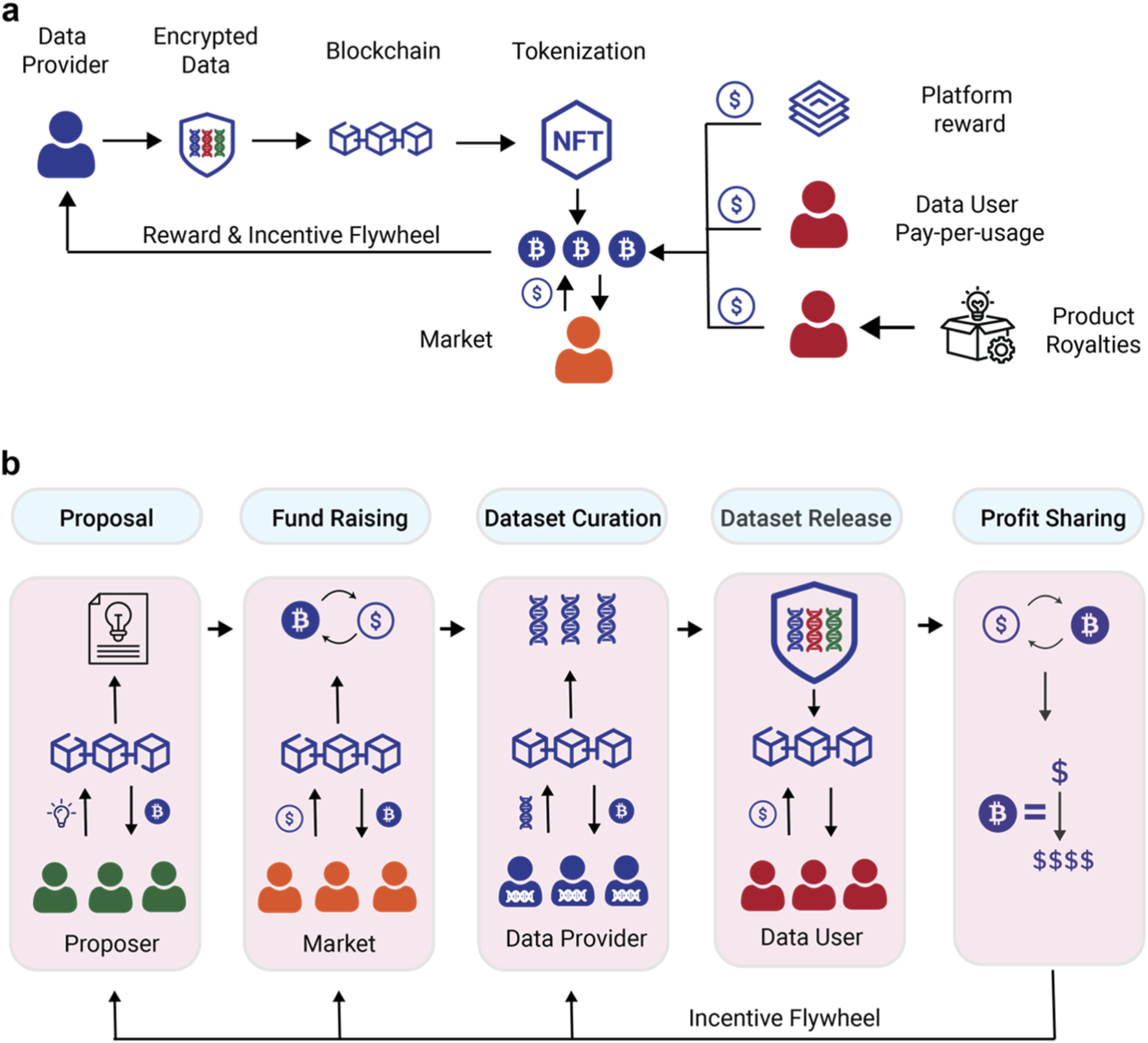
Decentralized data labeling relies on economic mechanisms to replace traditional oversight. The incentive layer functions as the network's governance engine, rewarding participants—such as miners, validators, or data annotators—for securing the network and validating transactions. Through token rewards, this layer ensures that participants act honestly and contribute to the overall health of the blockchain infrastructure.
This economic model shifts the burden of quality assurance from centralized entities to a distributed network of stakeholders. When tokens are at stake, the cost of submitting low-quality or malicious data increases significantly, aligning individual profit motives with collective data integrity.
No comments yet. Be the first to share your thoughts!