

Why token incentives change data costs
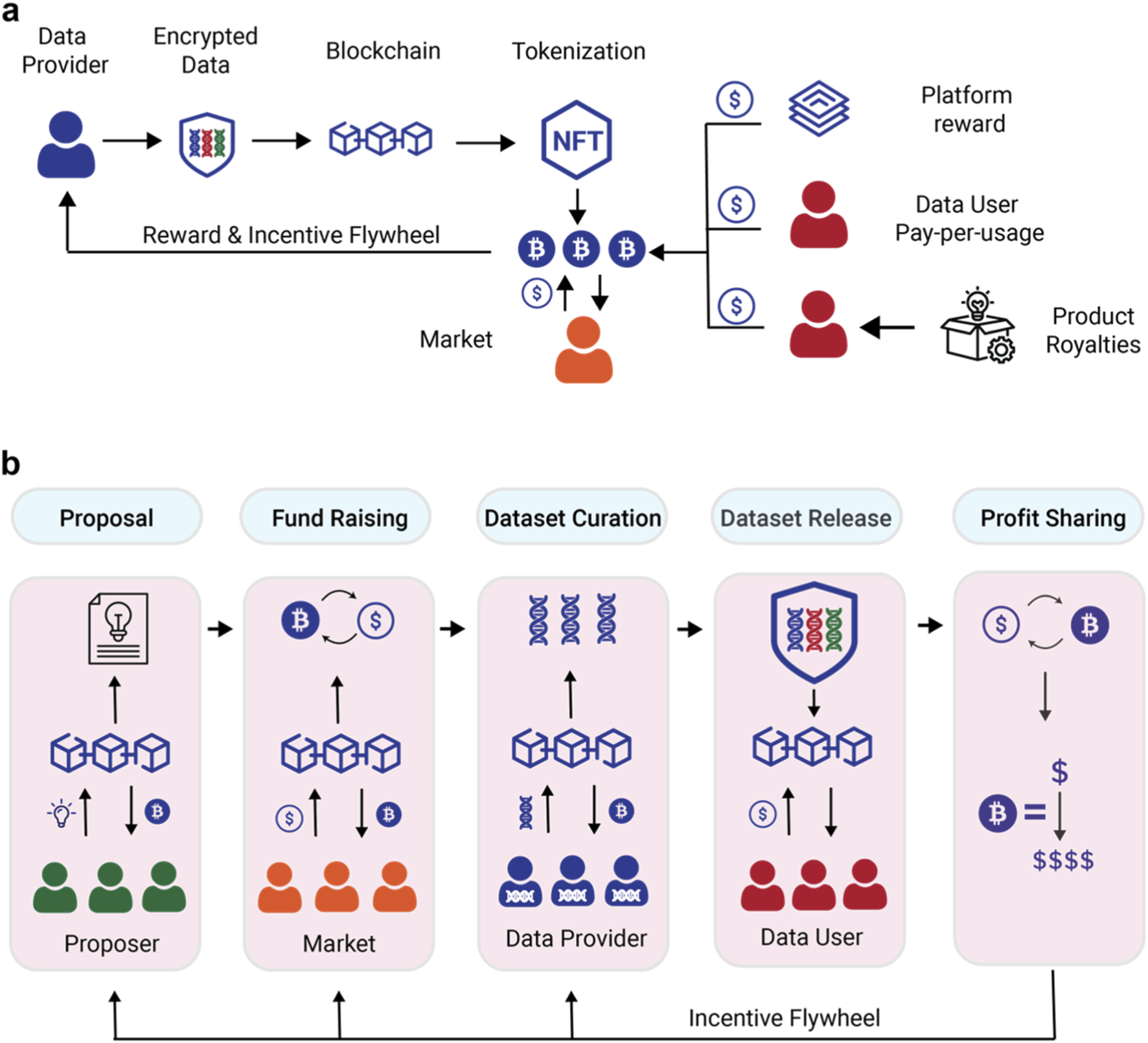
Traditional data labeling operates on a fixed-cost model: you pay per hour or per task to a centralized vendor, regardless of the final dataset’s utility. Token-incentivized platforms flip this structure. By distributing ERC-20 tokens as rewards, projects convert labeling into a variable, performance-based expense. This shift aligns the financial interests of the data provider with the quality of the output, creating a system where cost scales more efficiently with volume.
The economic advantage lies in the marginal cost reduction. In a fixed-price model, scaling from 10,000 to 100,000 labels often requires negotiating new contracts or paying premium rates for rush work. In a token-based ecosystem, the marginal cost per label is determined by market dynamics and consensus mechanisms. As the pool of active labelers grows, competition for tasks can drive down the token cost per unit, offering a lower floor for data acquisition than traditional freelancing markets.
This model also introduces a layer of risk mitigation for high-stakes AI development. IEEE research on decentralized labeling platforms highlights that token rewards can be structured to reward accuracy, not just speed. If a labeler submits poor-quality data, the token reward is reduced or slashed via smart contract validation. This creates a trustless environment where data quality is economically enforced, reducing the need for expensive human review layers that typically eat into project margins.
Projects like Sapien have demonstrated the viability of this approach, raising venture capital to build "gamified" labeling experiences that leverage blockchain rewards. The result is a more flexible supply chain for AI training data, where costs are directly tied to the verified value of the labeled assets.
Calculate your labeling ROI with tokens
Traditional human-in-the-loop labeling services operate on fixed per-unit contracts, creating rigid cost floors that rarely adjust for volume fluctuations or quality variance. Token-incentivized systems replace these flat fees with dynamic micropayments, aligning compensation directly with data utility and annotation accuracy. This shift transforms data labeling from a static operational expense into a variable cost structure that scales with your model's training needs.
To quantify this advantage, use the calculator below to model your specific cost savings. Input your current per-1,000-image labeling rate, the token reward value per annotation, and your expected monthly volume. The tool projects your break-even point and total monthly expenditure, highlighting the margin between conventional outsourcing and decentralized token economies.
As demonstrated in recent research on Solana-driven micropayments, decentralized platforms can reduce labeling overhead by up to 60% while maintaining auditability through blockchain records. This efficiency is particularly critical for high-stakes applications where data security and model reliability are paramount. By shifting to token-based incentives, you mitigate the risk of vendor lock-in and gain transparent visibility into every dollar spent on data preparation.
Compare top decentralized labeling platforms
Selecting a decentralized data labeling platform requires balancing token economics with strict quality assurance. For AI developers, the cost per accurate label is the primary metric, but the risk of model drift from poor annotations is the hidden cost. Platforms like Sapien and Deano demonstrate that token incentives can scale human labor, but the mechanism of quality control determines the final ROI.
Sapien has raised significant capital to gamify the labeling process, using ERC-20 tokens to incentivize human labelers. This approach reduces the friction of traditional data annotation by turning it into a competitive, reward-based activity. The platform’s structure aims to ensure that higher-quality work yields higher token returns, aligning the interests of the annotator with the accuracy needs of the AI developer.
Deano operates on a similar principle, using DAN tokens to reward community annotators. Its architecture emphasizes a win-win dynamic where vendors get clean data and annotators get immediate, transparent compensation. The use of blockchain ensures that every label and its associated reward is immutable, providing an audit trail that traditional centralized platforms often lack.
The following comparison highlights the structural differences in token mechanics, payout models, and quality assurance. These factors directly impact the total cost of ownership for your training data pipeline.
| Platform | Token Type | Avg. Payout | Quality Control | API Access |
|---|---|---|---|---|
| Sapien | ERC-20 | Variable per task | Gamified scoring | Full REST API |
| Deano | DAN | Microtransaction | Community voting | GraphQL API |
| SolanaLabel | SOL | Sub-cent micropayment | Consensus model | Web3 SDK |
Ensure quality in token-driven workflows
Use this section to make the Token-Incentivized Data Labeling decision easier to compare in real life, not just on paper. Start with the reader's actual constraint, then separate must-have requirements from details that are merely nice to have. A practical choice should survive normal use, maintenance, timing, and budget. If a recommendation only works in an ideal situation, call that out plainly and give the reader a fallback path.
The simplest way to use this section is to write down the must-have criteria first, then compare each option against those criteria before weighing nice-to-have features.
Frequently asked questions about token labeling
How does data labeling work in machine learning?
Data labeling annotates raw data with meaningful tags, providing the context and categorization necessary for machine learning models to interpret information effectively. Without these structured labels, algorithms cannot distinguish between relevant patterns and noise, turning the training process into a high-risk gamble for accuracy.
What is the role of blockchain incentive mechanisms?
Blockchain incentive mechanisms reward network participants for specific activities, such as validating data or publishing blocks. In token labeling, this creates a financial stake in data integrity, aligning the economic interests of labelers with the need for high-quality, unbiased training sets.
Why use tokens instead of traditional payment methods?
Token-based systems reduce friction and enable micro-transactions at scale, which is essential for the granular nature of data labeling tasks. This structure allows for immediate, transparent compensation, mitigating the risk of delayed payments and ensuring a more reliable labor supply for critical AI development cycles.
No comments yet. Be the first to share your thoughts!