
Token-incentivized data labeling limits to account for
Token-incentivized data labeling introduces a specific friction point: the alignment of financial reward with annotation accuracy. Unlike traditional crowdsourcing, this model uses ERC-20 tokens to pay annotators, creating a trustless environment for developers and researchers. However, the "win-win" promise often masks a critical constraint—quality control.
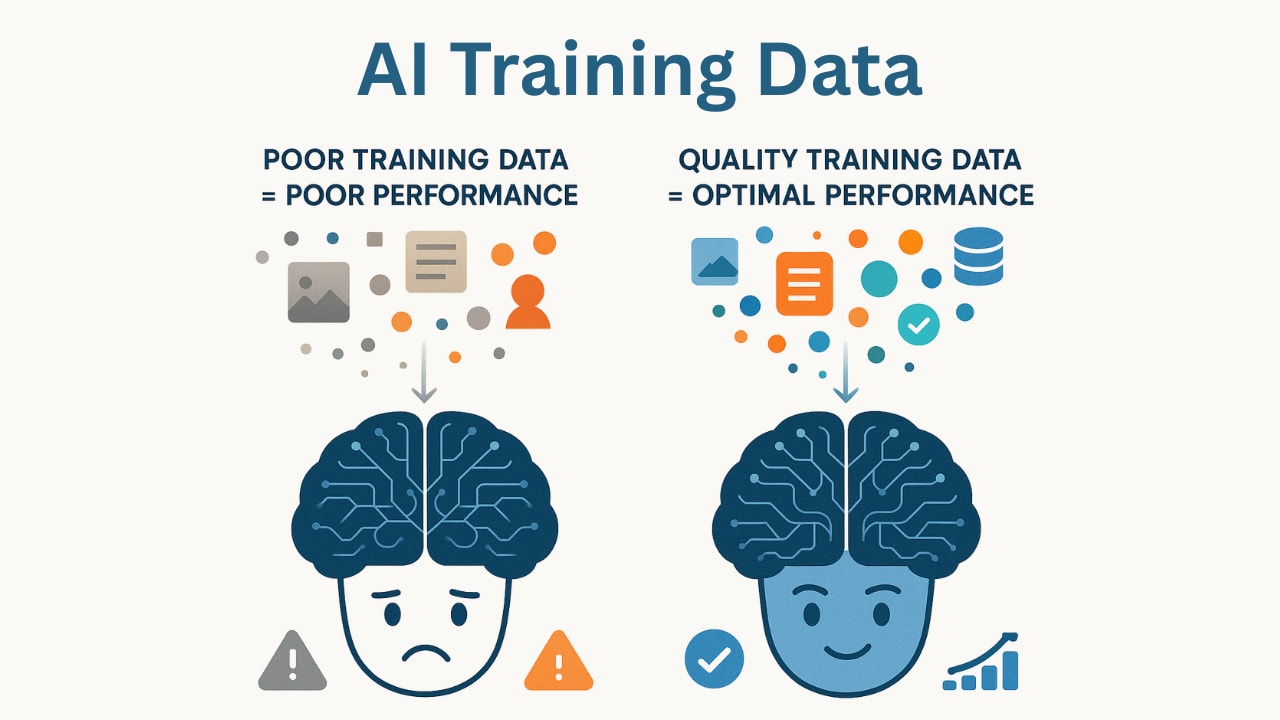
When financial incentives are tied directly to output volume, annotators may prioritize speed over precision. This dynamic can degrade the dataset quality, which is the primary input for high-quality AI training. The core challenge is designing a system where the token reward structure penalizes low-quality work without making the process so complex that annotators abandon it.
To mitigate this, platforms must implement rigorous validation layers. For instance, the Deano project uses DAN tokens but relies on community consensus and verification steps to ensure accuracy. Without these checks, the token incentive becomes a liability, flooding the training pipeline with noisy, unverified data that harms model performance rather than helping it.
Token-incentivized data labeling choices that change the plan
Shifting from traditional crowdsourcing to token incentives changes the economics of AI training. Instead of paying fixed per-task rates, models reward accuracy with cryptocurrency or platform tokens. This approach can lower costs and scale faster, but it introduces new risks around data integrity and platform stability.
Before adopting a decentralized labeling workflow, evaluate these four factors to balance cost savings against quality control.
| Factor | Benefit | Risk | Mitigation |
|---|---|---|---|
| Cost Structure | Lower per-label costs via token rewards | Token volatility reduces effective labor value | Use stablecoins or immediate fiat conversion |
| Quality Control | Incentivizes high accuracy for higher rewards | Sybil attacks and low-effort labeling | Reputation systems and consensus validation |
| Scalability | Global, on-demand annotator pool | Inconsistent labeler expertise levels | Tiered access based on skill verification |
| Data Security | Decentralized storage reduces single-point failure | Privacy leaks in public blockchain records | Zero-knowledge proofs and private datasets |
The primary benefit is scalability. Platforms like Sapien and Deano demonstrate that gamified token rewards can attract a global workforce without the overhead of traditional HR processes. Annotators earn tokens for accurate labeling, creating a self-sustaining ecosystem where better work yields higher returns. This model democratizes access to data labeling jobs, allowing contributors from regions with lower labor costs to participate.
However, the risk of low-quality data remains significant. Without strict oversight, bad actors can flood the system with incorrect labels to harvest tokens. Mitigation strategies often involve consensus mechanisms, where multiple labelers must agree on a label before it is accepted. This adds latency but improves reliability. Additionally, token volatility can disincentivize participation if the reward value drops sharply. Using stablecoins or converting rewards to fiat immediately can stabilize labor supply.
When evaluating these platforms, consider the long-term sustainability of the token economy. If the token price crashes, the incentive structure collapses, leaving projects with unlabeled data. Always verify that the platform has a clear path to value accrual for labelers, such as governance rights or revenue sharing, to ensure consistent participation.
How to Choose a Token-Incentivized Data Labeling Platform
Moving from traditional data labeling to a token-incentivized model requires shifting how you manage quality, cost, and distribution. The goal is to leverage ERC-20 tokens to create a trustless environment where annotators are motivated by accurate, verifiable work. This section outlines the practical steps to select a platform that aligns with your AI training needs.
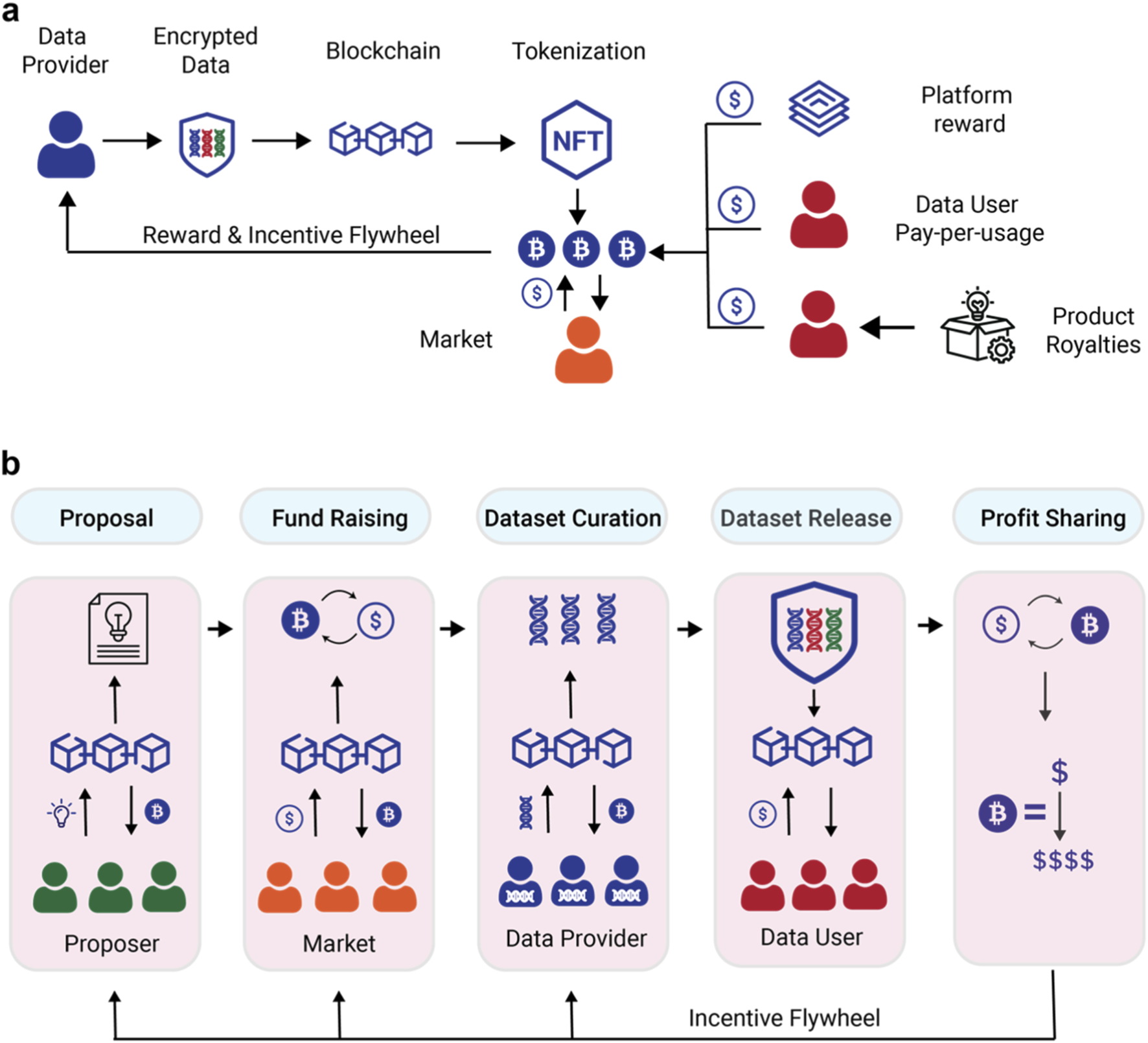
Before committing, examine how the platform distributes tokens. A robust system, like the one described in IEEE research on ERC-20 incentives, uses tokens to reward accuracy rather than just volume. Ensure the token has clear utility for annotators, such as easy withdrawal or exchange, to maintain a steady workforce. The Deano project, for example, uses DAN tokens to create a win-win scenario for vendors and annotators, ensuring consistent participation.

Token incentives can lead to rushed work if quality checks are weak. Look for platforms with built-in consensus mechanisms or expert review layers. These systems verify annotations before tokens are released, preventing low-quality data from contaminating your training set. This is critical for high-stakes AI models where accuracy directly impacts performance.

Token-based platforms often attract a global, decentralized workforce. Verify that the platform can scale to meet your data labeling volume requirements. A larger, diverse pool can improve data diversity but may require more sophisticated management tools to maintain consistency. Check if the platform offers tools to segment annotators by skill level or language proficiency.
Since these platforms rely on blockchain technology, transparency is key. Ensure the smart contracts governing token distribution and data ownership are audited by reputable firms. This protects your intellectual property and ensures that payments are executed automatically and fairly, reducing administrative overhead and disputes.
By following these steps, you can select a platform that not only reduces costs but also enhances the quality and reliability of your AI training data through aligned incentives.
Watch for weak options in token labeling
Token incentives sound efficient, but the model often breaks under pressure. Annotators chase volume over accuracy, flooding datasets with low-quality labels that degrade model performance. This creates a false sense of progress while hiding data decay.
Many platforms promise trustless quality through ERC-20 rewards, yet they lack robust verification layers. Without strict validation, high token payouts attract bad actors rather than skilled labelers. The result is noisy data that requires expensive manual cleaning later.
To avoid these pitfalls, prioritize platforms with multi-layer verification. Look for systems that combine token rewards with consensus-based quality checks. This ensures that incentives align with actual data accuracy, not just task completion speed.
Token-incentivized data labeling: what to check next
Before committing to a token-based labeling workflow, it helps to understand the mechanics and the career implications. Token incentives change the dynamic from a simple transaction to a community-driven ecosystem, but they introduce specific operational realities.
No comments yet. Be the first to share your thoughts!