
Set up the labeling environment
Build a Token-Incentivized Data Labeling Workflow works best as a sequence, not a scramble through settings. Do the minimum first: confirm compatibility, connect the core hardware, update only when needed, and test the result before adding optional features. That order keeps the task understandable and makes failures easier to isolate. After each step, pause long enough for the interface to finish syncing. Many setup problems are timing problems disguised as configuration problems. If the same step fails twice, record the exact error, restart the smallest affected piece, and retry before moving deeper.
Design the token reward structure
To build a sustainable data labeling workflow, you must define an economic model that balances cost efficiency with data quality. The goal is to distribute tokens fairly based on accuracy and volume, ensuring that labelers are motivated to produce high-quality work rather than simply rushing through tasks.
The incentive layer of a blockchain system is responsible for rewarding participants who contribute to the network's health. In the context of AI data labeling, this means designing a structure where tokens are earned through verified, accurate outputs. Research into decentralized data labeling platforms, such as those leveraging Solana for micropayments, highlights the importance of transparent reward distribution to maintain labor integrity [1]. Similarly, platforms like Sapien use gamified, token-based rewards to encourage consistent engagement [2].
When structuring your rewards, you need to decide between fixed rates per task and variable rates based on quality metrics. A fixed rate is simple to implement but may encourage quantity over quality. An accuracy-weighted model adjusts the token payout based on the labeler's historical performance or consensus results, ensuring that high-quality data is more valuable.
The following comparison outlines the trade-offs between these two primary approaches for different data types.
| Reward Model | Best Data Type | Cost Efficiency | Quality Control |
|---|---|---|---|
| Fixed Rate | Simple image classification | High | Low |
| Accuracy-Weighted | Complex text annotation | Medium | High |
| Tiered Volume | Large-scale OCR tasks | Medium-High | Medium |
| Consensus-Based | Medical data labeling | Low | Very High |
Implementing an accuracy-weighted model often requires a validation step where multiple labelers annotate the same data point. If a labeler's output matches the consensus of their peers, they receive the full token reward. If their output deviates, their payout is reduced or their reputation score is lowered. This creates a self-regulating system where quality is economically rewarded.
It is also important to consider the volatility of the token itself. If the token value fluctuates significantly, labelers may hesitate to participate. To mitigate this, some projects peg their reward value to a stablecoin or offer a fixed fiat-equivalent value in tokens, providing stability for the workforce while maintaining the blockchain-based transparency of the ledger.
Implement quality control mechanisms
Token incentives alone can attract spam rather than signal. To prevent low-quality submissions, you need consensus algorithms and reputation systems built into the token model. These mechanisms ensure that labelers are rewarded for accuracy, not just volume.
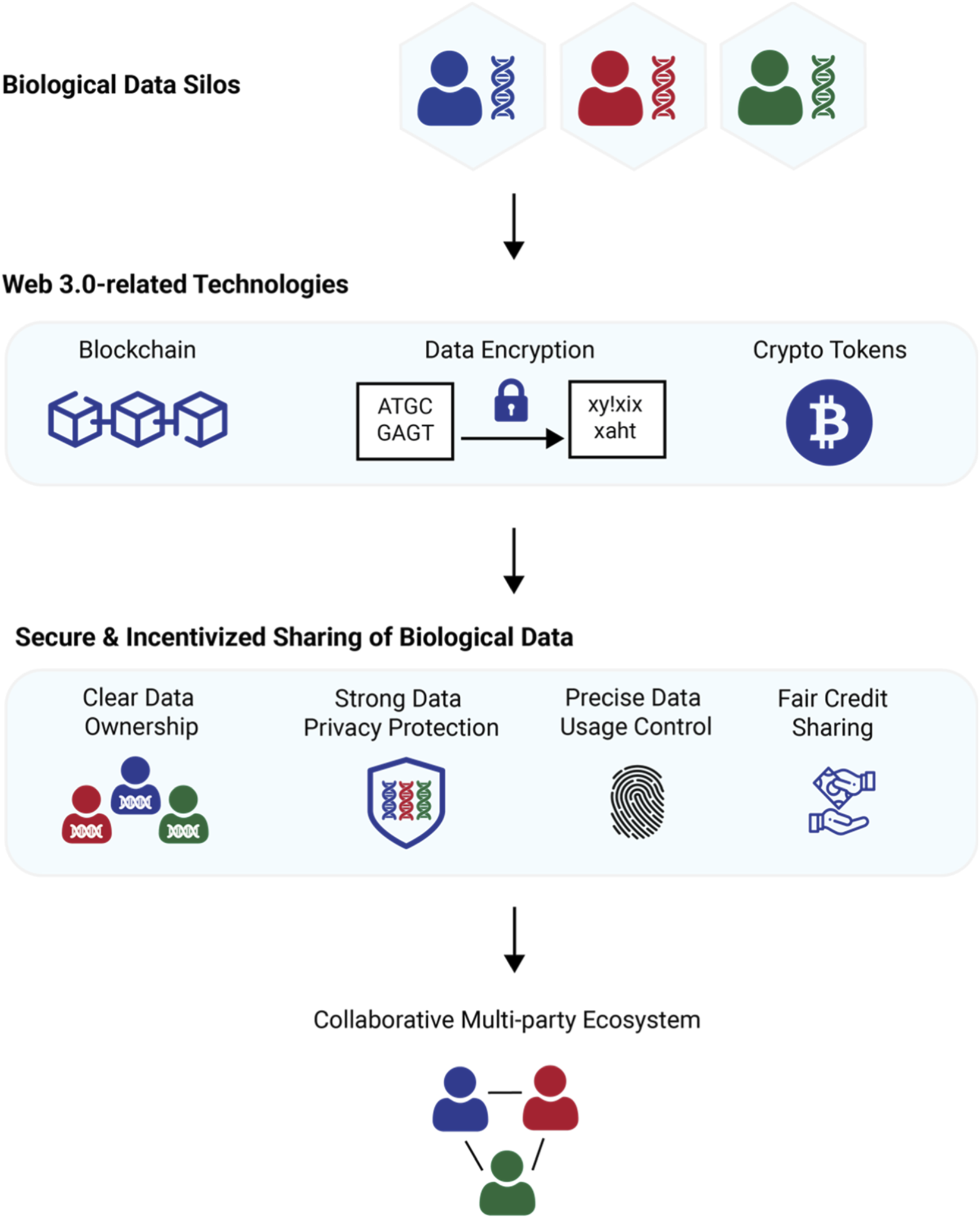
Assign each labeling task to multiple independent workers. Require a majority agreement before the submission is accepted. This consensus model, often used in decentralized data labeling platforms, filters out random or malicious entries before they enter the dataset. If workers disagree, the task is flagged for review or re-assigned.
Record every submission and its approval status on the blockchain. Use this history to calculate a reputation score for each labeler. High-reputation workers receive higher-paying tasks and lower fees, while low-reputation workers face stricter consensus thresholds. This creates a self-regulating economy where quality is financially rewarded.
Require labelers to lock up a small amount of tokens as a bond before starting tasks. If their submissions are rejected by the consensus layer or reported as spam, a portion of their stake is slashed. This economic disincentive makes coordinated spam attacks too expensive to sustain, as noted in research on ERC-20 token incentives for data labeling.
Use smart contracts to distribute rewards only after consensus is reached and reputation checks pass. This ensures that payment is directly tied to verified quality. You can also introduce bonus multipliers for workers who consistently maintain high accuracy scores over time.
By combining consensus validation with reputation-based staking, you create a system where the economic incentives align with data quality. This reduces the need for expensive manual review and scales your labeling workflow efficiently.
Verify and settle token payouts
The final stage of a token-incentivized workflow is the automated settlement of rewards. This process ensures that annotators receive their tokens immediately after their contributions pass quality checks. By linking payment directly to verified output, you reduce administrative overhead and maintain trust in the system.
Before any tokens move, the smart contract must verify that the labeled data meets the predefined accuracy threshold. This typically involves comparing annotator outputs against a ground-truth dataset or a consensus mechanism where multiple annotators label the same item. If the data fails validation, the submission is rejected, and no payout is triggered. This step prevents low-quality data from entering your training set.
Once verification is complete, the settlement smart contract executes the payout logic. For high-throughput workflows, platforms like Solana offer the necessary speed and low fees to handle micropayments efficiently. The contract automatically transfers the agreed-upon token amount to the annotator’s public wallet address. This automation removes the need for manual invoicing or payroll processing, ensuring instant gratification for contributors.
Every payout is recorded as a transaction on the blockchain, creating an immutable ledger of who did what and when. This transparency allows project managers to audit spending and verify that rewards were distributed correctly. Annotators can also view their earnings and completed tasks directly on a block explorer, fostering accountability. This on-chain record serves as proof of work for both the data vendor and the annotator.
A pre-payout checklist helps prevent common errors. Ensure the annotator’s wallet address is correct and that the contract has sufficient liquidity to cover the batch of rewards. Verify that the quality score threshold has been clearly defined and that the smart contract logic matches your business rules.
-
Verify quality score threshold met
-
Confirm annotator wallet address validity
-
Check smart contract liquidity balance
-
Review transaction gas fees for batch processing
This automated cycle closes the loop on the data labeling workflow. By settling payouts quickly and transparently, you incentivize high-quality work and encourage annotators to return for future tasks.
Common questions about on-chain labeling
This section addresses frequently asked questions about token-incentivized data labeling workflows, covering career viability, technical mechanics, and incentive structures.
Is data labeling a good career?
Data labeling remains a viable entry point into the AI industry, particularly for those seeking flexible, remote work. Token-incentivized platforms democratize access by allowing contributors to earn cryptocurrency without traditional employment contracts. This model lowers barriers to entry, enabling a broader global workforce to participate in training AI models while earning rewards directly on-chain.
How does on-chain data labeling work?
On-chain data labeling involves annotating datasets for AI training using blockchain infrastructure. The process ensures transparency and verifiability: each label is recorded as a transaction, and smart contracts automate the distribution of rewards. Contributors submit annotations, which are then validated by the network before tokens are issued, creating a trustless system for data quality assurance.
What is the incentive layer of the blockchain?
The incentive layer is responsible for rewarding participants, such as validators or data contributors, for securing the network and validating transactions. Through tokens and rewards, this layer ensures that participants act honestly and contribute to the overall health of the blockchain. In data labeling, this means contributors are financially motivated to provide high-quality, accurate annotations.
What are the incentives in blockchain?
Incentive mechanisms in blockchain are generally divided into monetary and non-monetary categories. Monetary incentives, such as token rewards, regulate behavior from an economic perspective, encouraging honest participation. Non-monetary incentives, like reputation scores or governance rights, foster community engagement. Together, these mechanisms align individual actions with the network's long-term goals.
No comments yet. Be the first to share your thoughts!