
The token-incentivized data labeling limits to account for
Token-incentivized data labeling solves a specific bottleneck in AI training: the high cost and inconsistent quality of human annotation. Traditional crowdsourcing platforms often suffer from low engagement or fraudulent submissions. By attaching ERC-20 tokens to labeling tasks, projects create a direct economic incentive for annotators to prioritize accuracy and speed.
This model shifts the dynamic from simple wage labor to a stake-based ecosystem. Platforms like Deano use native tokens to reward verified contributions, allowing users to earn value that can be held, traded, or used within the platform. This aligns the interests of the data provider, who gets cleaner datasets, and the annotator, who earns tangible rewards for verified work.
However, this approach introduces complexity. The value of the token must be stable enough to motivate work but liquid enough to be useful. If the token crashes, annotator motivation evaporates. If it is too volatile, the cost of data acquisition becomes unpredictable for the AI developer. This constraint requires careful tokenomic design to ensure the labeling pipeline remains reliable during market downturns.
The rise of this model suggests that 2026 will see a shift toward decentralized, token-gated data marketplaces. These systems offer transparency in payment and quality verification, potentially lowering the barrier to entry for smaller AI teams who cannot afford traditional labeling firms.
Token-incentivized data labeling choices that change the plan
Moving from centralized platforms to decentralized models shifts the economics of AI training. While ERC-20 token incentives can democratize participation, they introduce distinct operational risks that developers must weigh against traditional crowdsourcing methods. Understanding these tradeoffs is essential for building a sustainable data pipeline.
| Factor | Centralized Platforms | Token-Incentivized | Risk Level |
|---|---|---|---|
| Quality Control | Pre-vetted annotators, strict SLAs | Crowd-sourced, reputation-based scoring | high |
| Cost Structure | Fixed hourly rates or per-label fees | Variable token rewards, market-driven | medium |
| Data Privacy | Centralized servers, single point of failure | Distributed storage, encrypted shards | low |
| Scalability | Limited by workforce availability | Elastic global participant base | low |
| Fraud Vulnerability | Bot detection, IP monitoring | Sybil attacks, token farming | high |
The most significant advantage of token incentives is elasticity. A decentralized platform can instantly scale to handle massive annotation tasks by tapping into a global pool of contributors, unlike traditional firms bound by hiring cycles. However, this scalability comes with the cost of quality verification. Without pre-vetted staff, you rely on consensus mechanisms and token slashing to deter bad actors.
Fraud remains the primary counter-argument. In a trustless environment, participants may engage in "token farming"—submitting low-quality labels just to earn rewards. Platforms like Deano mitigate this by tying token distribution to community reputation scores, but this adds complexity to the user experience. Developers must balance the simplicity of access with the rigor of validation.
Ultimately, the choice depends on your data sensitivity and budget. For high-volume, low-sensitivity tasks like image classification, the cost benefits of token incentives often outweigh the quality risks. For sensitive medical or legal data, the control offered by centralized platforms remains safer despite the higher price tag.
How to choose a token-incentivized data labeling platform
The market for decentralized data labeling is shifting from experimental prototypes to production-ready infrastructure. For teams evaluating token-incentivized data labeling in 2026, the decision comes down to balancing trustless automation with verifiable quality. You are not just buying a tool; you are selecting a governance model that dictates how your training data is sourced and validated.
Use this framework to evaluate platforms based on three critical dimensions: token mechanics, verification layers, and integration readiness.
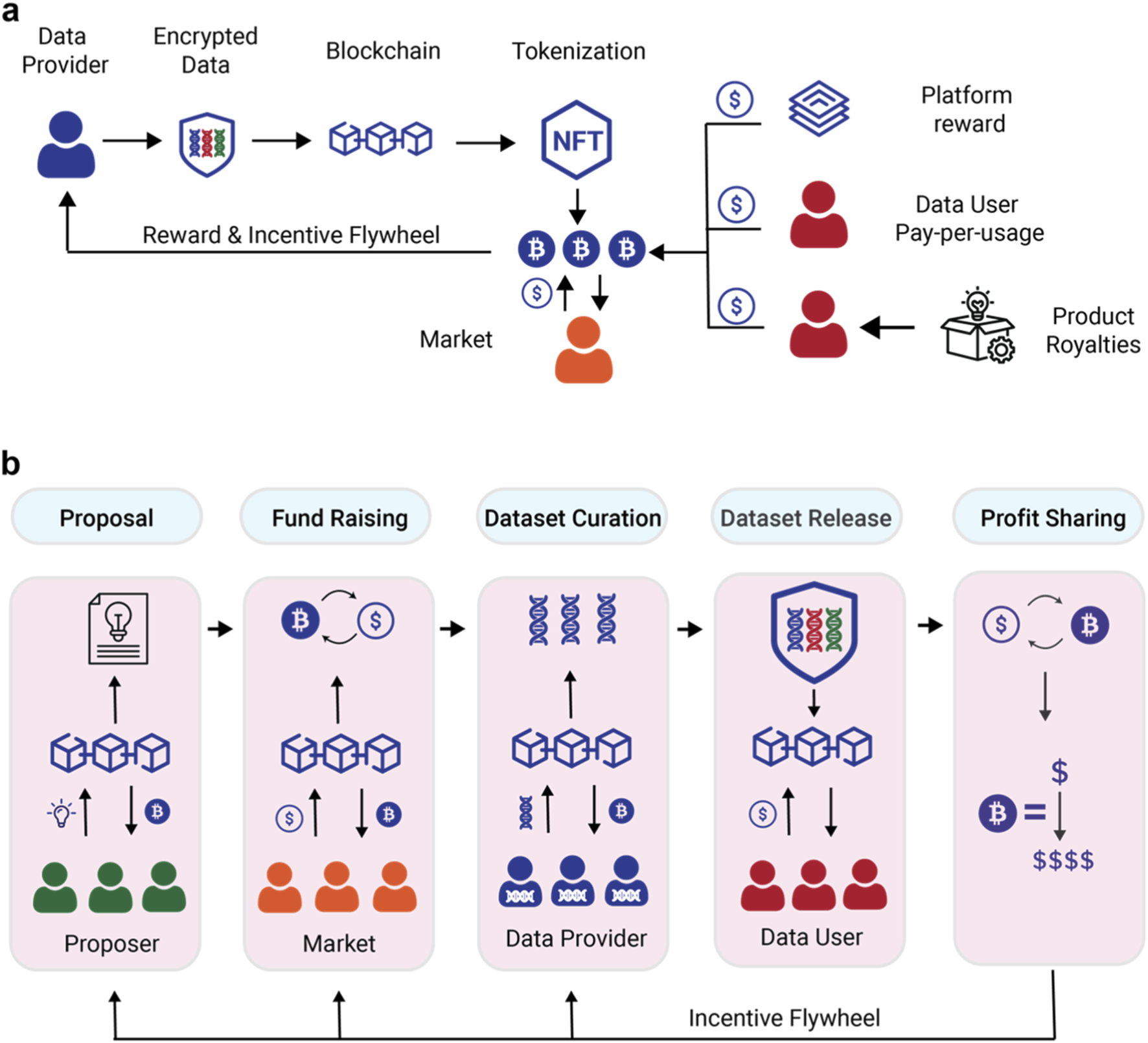
Look for platforms using ERC-20 tokens for stable, predictable payouts rather than volatile governance tokens. The incentive model should align annotator accuracy with token rewards, creating a win-win where higher quality labels yield higher compensation. Avoid platforms where the token supply is unlimited or inflationary, as this devalues the reward for accurate work over time.
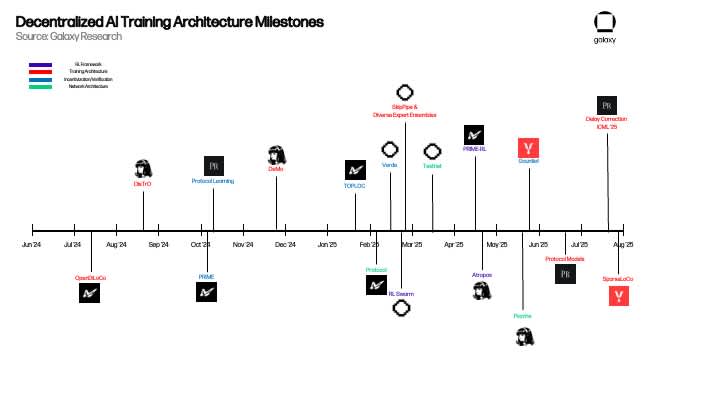
A single annotator is a risk; a consensus mechanism is a safeguard. The best platforms use a triplet or majority-vote system where multiple annotators label the same data point. Discrepancies are flagged for review by trusted validators. This reduces the "bad actor" problem and ensures that the data feeding your AI models is clean and reliable without requiring constant human oversight.

Token incentives are useless if the data cannot be easily ingested into your ML pipeline. Prioritize platforms that offer robust APIs and direct connectors to common data lakes or vector databases. The platform should handle the token settlement in the background while delivering clean, structured datasets (JSON, CSV, or Parquet) that your engineers can use immediately.
The choice you make today determines the quality of your models tomorrow. Prioritize platforms that treat data quality as a financial asset, not just a task to be outsourced.
Spotting the Weak Options in Tokenized Labeling
The promise of token-incentivized data labeling is a trustless marketplace where annotators earn ERC-20 tokens for accurate work, as seen in platforms like Deano and IEEE-backed research. However, this model faces the same quality control challenges as traditional labeling, just with a different payout mechanism. When evaluating these systems, look for the specific flaws that undermine the "win-win" narrative.
The Quality-First Trap
Many projects prioritize speed over accuracy, flooding the market with low-quality annotations. Without robust validation layers, token rewards incentivize volume, not precision. This creates a "garbage in, garbage out" scenario where AI models are trained on noisy, unreliable data. The token incentive becomes a liability rather than an asset.
The Liquidity Illusion
Token values are volatile and often illiquid. Annotators may earn significant token amounts that plummet in fiat value before they can cash out. This mismatch between effort and reward discourages sustained participation. Unlike stablecoin payments, token incentives introduce market risk directly into the labor supply chain, making them unpredictable for workers.
The Centralization Paradox
Despite the decentralized promise, many platforms rely on centralized servers for data storage and task distribution. This creates single points of failure and undermines the trustless claim. If the central server goes down or is compromised, the entire labeling pipeline halts. True decentralization in data labeling remains largely theoretical for most current solutions.
No comments yet. Be the first to share your thoughts!