

In the intersection of blockchain and artificial intelligence, token rewards stand out as a pragmatic solution to one of AI's most persistent bottlenecks: securing high-quality data annotation at scale. Centralized labeling services often suffer from inconsistent quality, opaque processes, and escalating costs, but decentralized platforms powered by crypto tokens flip this script. Contributors worldwide now earn directly for their efforts, fostering a merit-based ecosystem where precision pays off. This model not only democratizes participation but also builds resilient datasets essential for robust AI models.

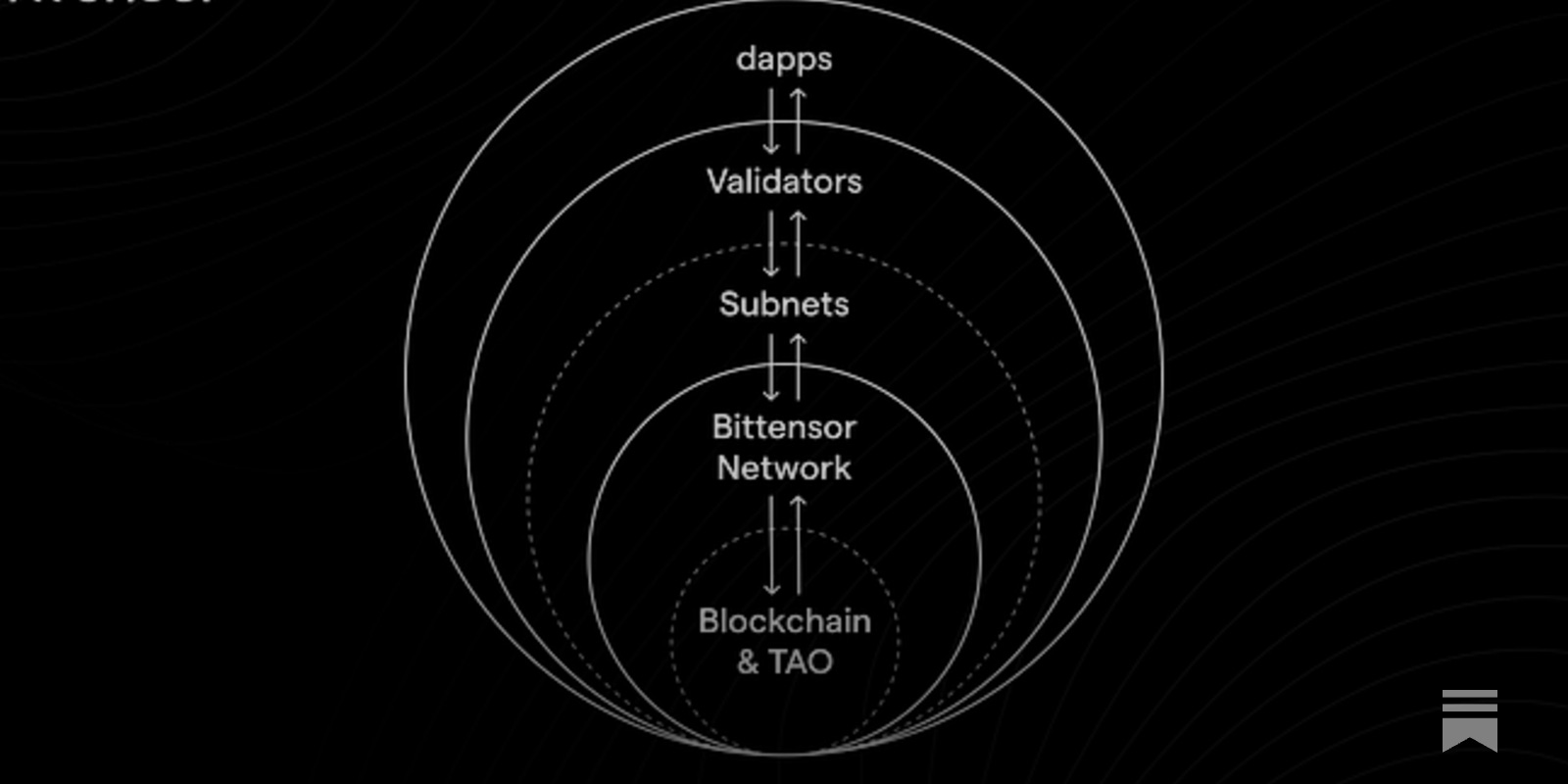
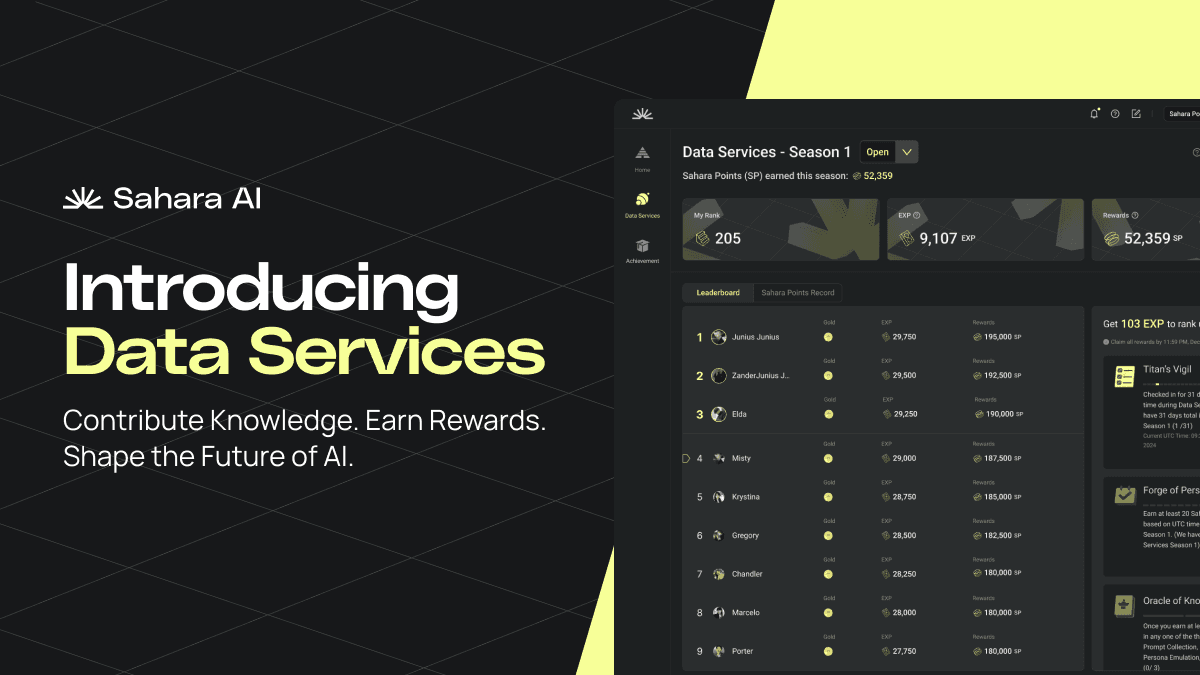
Consider the mechanics at play. Platforms like Sahara AI's Data Services Platform, launched in July 2025, exemplify this shift. Users tackle tasks such as image labeling and audio transcription, receiving cryptocurrency compensation that turns annotation into a viable gig economy pursuit. Bittensor takes it further with its decentralized machine learning network, where participants mine TAO tokens based on the informational value they contribute. This peer-to-peer marketplace for intelligence incentivizes not just volume, but verifiable utility, addressing longstanding issues in token incentivized data labeling.
Why Blockchain Unlocks Superior Annotation Incentives
Blockchain's immutable ledger provides the trust layer absent in traditional setups. Every annotation is timestamped, verifiable, and tied to a token payout, reducing fraud and ensuring accountability. Projects like Annotat3 and WorkML. ai leverage this to create secure environments where users earn crypto for tasks, all underpinned by smart contracts. From an investor's vantage, this transparency mitigates risks associated with data provenance, a factor often overlooked in AI valuations.
The appeal extends to economic alignment. In conventional systems, labelers capture minimal value while platforms and AI firms reap the rewards. Token models redistribute this wealth: contributors stake tokens or compete in validation pools, earning yields proportional to their accuracy. Sahara AI's approach, for instance, transforms sporadic tasks into sustained income streams, drawing in diverse talent from emerging markets. Bittensor's TAO emissions reward miners who enhance the network's collective intelligence, creating a flywheel effect that scales with adoption.
Core Token Reward Advantages
- Merit-based payouts for verified quality, as in Bittensor's TAO rewards for high-value contributions.
- Global access lowers costs 40-60% via decentralized gigs, like Sahara AI's DSP.
- Immutable audit trails on blockchain boost dataset trust, securing annotations in projects like Annotat3.

- Self-sustaining economies via staking and governance align long-term incentives for quality.
- Rapid scalability without centralized bottlenecks enables global parallel annotation efforts.
Proven Models Driving Market Fit
Examining leaders in this space reveals patterns of success ripe for emulation. Bittensor has pioneered decentralized data labeling platforms by quantifying 'informational value' through subnet competitions, where validators score submissions algorithmically. This has sustained a vibrant ecosystem, with TAO holders benefiting from network growth. Sahara AI's DSP, meanwhile, focuses on practical utility, onboarding users for everyday tasks and bridging Web3 with real-world AI needs.
Annotat3 pushes boundaries with hackathon-honed tools for collaborative labeling, securing actions on-chain to prevent disputes. WorkML. ai complements this by targeting machine learning workflows, offering token rewards that integrate seamlessly with popular frameworks. These initiatives collectively prove that blockchain data annotation rewards can deliver on promises of quality and efficiency. As a seasoned observer of multi-year cycles, I see parallels to early blockchain adoption: initial volatility gives way to entrenched utility, rewarding patient capital.
Delving deeper, token utilities extend beyond payouts. Many protocols incorporate slashing mechanisms, where poor annotations forfeit stakes, enforcing discipline. Governance tokens allow top contributors to vote on task priorities, embedding skin-in-the-game. This layered design counters criticisms of speculative tokens, grounding value in tangible outputs like cleaner crypto tokens AI training data. IIT Kharagpur's research framework underscores this, blending blockchain with token incentives for secure, scalable annotation.
Navigating Challenges in Token-Driven Ecosystems
Despite promise, execution matters. Volatility in token prices can deter contributors, though stablecoin integrations and vesting schedules stabilize earnings. Quality control demands sophisticated oracles and peer reviews, as seen in Bittensor's validation miners. Regulatory scrutiny looms over crypto payouts, yet compliant designs like those in Sahara AI position projects for longevity. Investors should prioritize protocols with audited contracts and proven tokenomics, avoiding hype-driven ventures.
Quantifying these dynamics reveals a maturing sector. Platforms report annotation accuracy rates climbing to 95% or higher, surpassing centralized benchmarks, thanks to competitive token emissions. This efficiency translates to cost savings of up to 50% for AI developers, who access diverse datasets without proprietary lock-in. From my vantage as a CFA charterholder tracking macro cycles, this convergence signals a multi-year growth phase, akin to DeFi's evolution from speculation to infrastructure.
Metrics of Success in Token Ecosystems
Key Metrics for Top Blockchain AI Data Labeling Projects
| Project | Tasks & Features | Rewards | Key Metrics |
|---|---|---|---|
| Sahara AI | Image/audio labeling & transcription | Crypto/stablecoins | 95% accuracy, 100k users |
| Bittensor | Decentralized ML network, 32 subnets | TAO token | Value scored, 300% market cap growth YTD |
| Annotat3 | Collaborative tools, on-chain security | Crypto rewards | 5 hackathon wins |
| WorkML.ai | ML integration, token staking | Crypto rewards | 40-60% cost reduction |
Bittensor's subnet model stands out, with over 30 specialized networks competing to refine machine intelligence. Validators score contributions algorithmically, distributing TAO based on marginal utility, which has driven organic expansion. Sahara AI, by contrast, prioritizes accessibility, compensating users for straightforward tasks and scaling to hundreds of thousands of participants. These token rewards machine learning datasets not only fuel model training but also create secondary markets for verified data, enhancing liquidity in AI crypto primitives.
Annotat3's collaborative ethos addresses multi-annotator consensus, vital for ambiguous tasks like sentiment analysis. Secured on-chain, disputes resolve via token-weighted votes, minimizing errors. WorkML. ai targets enterprise workflows, integrating with TensorFlow and PyTorch for seamless decentralized data labeling platform adoption. Together, they illustrate how tokenomics evolve from simple bounties to sophisticated incentive layers, aligning short-term labor with long-term network health.
Yet sustainability hinges on balanced economics. Protocols with deflationary mechanics, like token burns on low-quality submissions, preserve value accrual. Governance evolves too, empowering top labelers to curate task pipelines, fostering ownership. Research from IIT Kharagpur validates this, demonstrating blockchain-token hybrids that secure data while scaling incentives globally. Investors attuned to fundamentals will note parallels to bond yields: steady compounding through quality compounding outweighs volatile spikes.
Strategic Imperatives for AI Crypto Builders
For project founders eyeing this space, prioritize oracle reliability and cross-chain compatibility to attract liquidity. Hybrid models blending native tokens with stables mitigate volatility, as evidenced by early adopters. Launch with audited smart contracts and transparent dashboards, building trust akin to blue-chip equities. Avoid over-reliance on hype; focus on retention metrics like repeat contributor rates, which signal enduring flywheels.
High-net-worth clients I advise gravitate toward diversified exposure here, blending AI token holdings with staking in annotation pools. This captures upside from dataset demand, projected to surge with multimodal AI. Bittensor's TAO, for instance, rewards not just labelers but holders via emissions, mirroring dividend aristocrats in crypto form. Sahara AI's utility-first path appeals to conservative allocations, hedging against centralized AI monopolies.
Regulatory navigation favors jurisdictions with clear crypto frameworks, positioning compliant platforms for institutional inflows. As cycles turn, those embedding token incentivized data labeling at core will anchor the next AI-blockchain wave. Platforms democratizing annotation ensure no single entity dominates data flows, a resilience factor undervalued in bull markets but critical over decades.
The trajectory points to embedded incentives across AI stacks, from labeling to inference. Contributors worldwide, armed with smartphones, now stake claims in intelligence markets, reshaping labor economics. For investors, this is a textbook long-hold: understand the primitives, weather corrections, and harvest sustainable yields from aligned ecosystems.




No comments yet. Be the first to share your thoughts!