
Define your data labeling requirements
Before configuring token incentives, establish the technical scope of the labeling task. Token mechanics are a distribution layer; they do not correct poor data specifications. If the underlying requirements are vague, the resulting dataset will be unusable regardless of how effectively you reward contributors.
Start by defining the data type and annotation schema. Specify whether the task involves bounding boxes for object detection, semantic segmentation for pixel-level classification, or natural language processing tags for text. The schema must be rigid enough to ensure consistency but flexible enough to handle edge cases. Ambiguity in the schema is the primary cause of low-quality labels, which directly undermines the value of the token rewards.
Next, determine the quality assurance (QA) protocol. Will you use consensus voting, where multiple annotators label the same item and the majority wins? Or will you rely on expert review for a subset of data? Define the minimum accuracy threshold required before a label is accepted. This threshold dictates the complexity of the token reward structure—higher accuracy requirements typically demand higher rewards to attract skilled annotators.
Finally, outline the technical constraints. Specify the file formats, resolution limits, and any privacy requirements such as data anonymization or redaction. If the data contains personally identifiable information (PII), you must define the redaction workflow. These technical specs form the foundation of your smart contract logic, ensuring that the tokens are distributed only for valid, high-quality work.
Select a blockchain and token standard
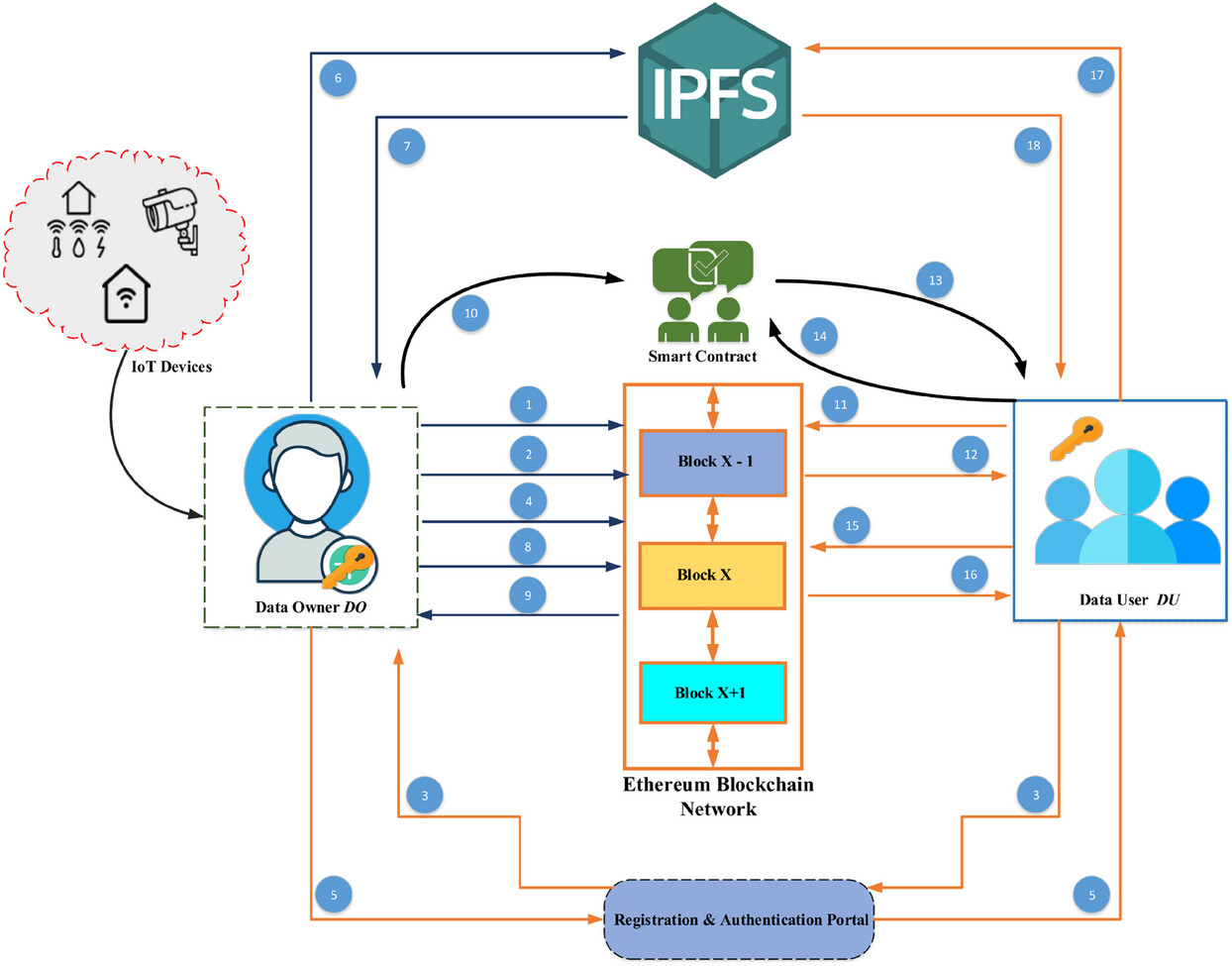
The foundation of your data labeling workflow depends on choosing a blockchain that balances transaction speed, cost, and developer maturity. Ethereum paired with the ERC-20 token standard is the primary choice for most decentralized data labeling platforms. This combination provides the necessary infrastructure for secure, automated payments while maintaining compatibility with the vast majority of existing digital wallets and decentralized applications.
ERC-20 tokens are fungible, meaning each token is interchangeable and identical in value, which is essential for fair compensation of labelers. Research into decentralized data labeling platforms (DDLP) highlights that Ethereum smart contracts effectively handle the complex logic required to verify labeling quality and distribute rewards automatically. This reduces the administrative burden and ensures that payments are executed only when specific quality thresholds are met, minimizing disputes between data providers and contributors.
When selecting your infrastructure, prioritize networks with established tooling and low gas fee volatility. While alternative chains offer lower costs, the Ethereum ecosystem offers the most robust security guarantees and liquidity for token-based incentives. Ensure your chosen standard supports the specific utility token you plan to issue, whether it is a stablecoin pegged to fiat or a volatile governance token. The choice here dictates the user experience for your labelers, so test the onboarding flow with real wallets before committing to a final architecture.
Design the incentive and quality mechanism
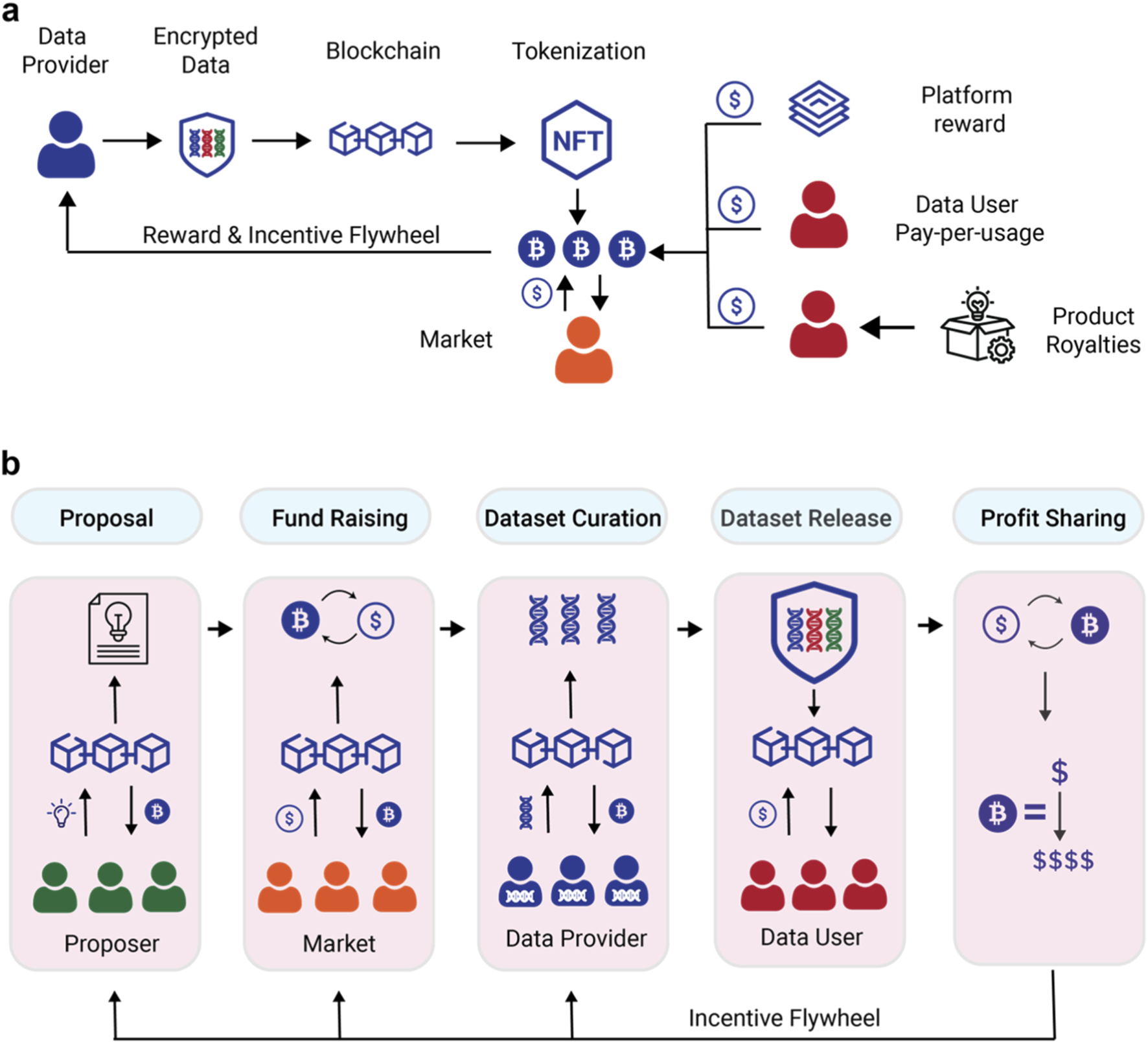
Aligning worker incentives with data quality requires a closed-loop system where smart contracts enforce consensus before distributing rewards. This approach prevents low-effort labeling from polluting your dataset while ensuring annotators are compensated fairly for high-quality contributions.
1. Submit Label and Stake Tokens
Annotators begin by submitting their label for a specific data instance. To discourage spam or random guessing, require a small token stake. This stake is held in escrow by the smart contract. If the label is later validated as correct, the stake is returned. If it is deemed incorrect, the stake is slashed and redistributed to validators. This creates immediate financial skin in the game for every submission.
Annotator submits a label. The smart contract locks their stake. The task is now pending validation.
A random subset of other annotators reviews the submission. They compare their own labels against the original submission to determine consensus.
The contract checks if a supermajority (e.g., 2/3) agrees. If not, the task is flagged for expert review or additional peer voting rounds.
Once consensus is reached, the smart contract automatically releases the reward to the annotator and returns their original stake. Incorrect labels result in stake slashing.
2. Implement Peer Validation and Consensus
Reliance on a single annotator is risky. Use a consensus mechanism where multiple independent validators review the same data point. The Deano project, for example, uses a community-based model where annotators are incentivized with DAN tokens for accurate labeling, creating a self-regulating ecosystem [src-serp-6].
Configure your smart contract to assign each task to a minimum number of validators (e.g., three). If the validators agree, the label is accepted. If they disagree, the system triggers a dispute resolution process, which may involve additional validators or a designated expert. This ensures that only labels supported by statistical agreement are added to the dataset.
3. Distribute Tokens Dynamically Based on Quality
Static rewards fail to account for the varying difficulty of data points. Implement dynamic reward distribution that adjusts token payouts based on the validator's historical accuracy. If an annotator has a high track record of correct labels, they receive a premium for their work. Conversely, those with lower accuracy scores receive reduced rewards.
Web3 platforms can dynamically adjust rewards based on data quality, incentivizing precision over volume [src-serp-8]. This mechanism encourages annotators to focus on accuracy, as their long-term earning potential depends on their reputation score within the smart contract.
4. Automate Payouts and Stake Management
The final step is automating the financial flows using smart contracts. Once consensus is reached, the contract should immediately execute the payout. This transparency builds trust with annotators, as they can verify the rules and outcomes on the blockchain. The contract should also handle the automatic return of stakes for correct labels and the slashing of stakes for incorrect ones, removing the need for manual intervention.
By automating these processes, you reduce operational overhead and ensure that incentives are applied consistently and fairly. This structure creates a robust token-incentivized data labeling workflow that scales with your AI development needs.
Deploy smart contracts for distribution
Deploying the smart contract is the final technical step to operationalize your token-incentivized data labeling workflow. This phase moves the reward logic from code to the blockchain, ensuring that data contributors are compensated automatically upon verification. The following steps outline the deployment process for a Decentralized Data Labeling Platform (DDLP) using Ethereum-based architecture.

Before deploying, ensure your Solidity code compiles without errors. Use tools like Hardhat or Truffle to run unit tests that verify reward calculations and access controls. Local testing prevents costly failures on mainnet and ensures the contract logic aligns with your labeling requirements.

Set up your deployment script with the correct network parameters. Define variables for the token address, reward rates, and initial governance settings. Ensure your wallet has sufficient native currency (e.g., ETH) to cover gas fees. Use environment variables to keep private keys secure and separate from your source code.

Deploy the contract to a testnet like Sepolia or Goerli. This allows you to simulate the entire labeling and reward distribution cycle without risking real assets. Verify that contributors receive tokens correctly after submitting labeled data and that the contract handles edge cases like invalid submissions or insufficient funds.
Once testnet validation is complete, deploy to the Ethereum mainnet. Use a block explorer like Etherscan to verify the source code, which enhances transparency and trust for contributors. Consider a third-party security audit if the contract handles significant value, as smart contract vulnerabilities can lead to irreversible losses.
After deployment, initialize the contract’s governance parameters. Set up the initial token pool for rewards and define the rules for data quality thresholds. This step activates the incentive mechanism, allowing contributors to begin labeling data and earning tokens automatically based on the verified smart contract logic.
For a detailed technical overview of this architecture, refer to the IEEE paper on leveraging ERC-20 tokens for incentivized data labeling. This resource provides deeper insights into the blockchain architecture and smart contract implementation for decentralized data platforms.
Launch and manage the labeling community
Recruiting annotators for a decentralized workflow requires shifting from traditional HR practices to incentive-aligned community management. The goal is to build a reliable network of contributors who are motivated by token rewards and reputation, ensuring high-quality data output without central oversight. Success depends on clear onboarding, transparent quality control, and sustainable reward mechanisms.
1. Audit contracts and simulate on testnet
Before opening the platform to the public, verify that smart contracts governing token distribution are secure and fully audited. Deploy a testnet environment to simulate the entire labeling workflow. This allows you to identify bottlenecks in reward calculation or submission validation without risking real assets. Annotators need to see a working system before they commit their time.
2. Distribute an onboarding guide
Create a concise, step-by-step guide that explains how to connect wallets, access labeling tasks, and understand the tokenomics. Clarity reduces friction and support tickets. Include examples of high-quality annotations versus poor ones so contributors know exactly what is expected. Reference official documentation for any technical setup steps to ensure accuracy.
3. Establish support channels
Set up dedicated communication channels, such as a Discord server or Telegram group, where annotators can ask questions and report issues. Rapid response times build trust. Consider appointing community moderators who understand both the technical aspects of the platform and the nuances of data labeling to provide accurate assistance.
4. Implement dynamic quality-based rewards
To maintain data integrity, link token rewards to the quality of annotations. Research suggests that Web3 mechanisms can dynamically adjust rewards based on performance, incentivizing precision over speed [src-serp-8]. Implement a validation layer where multiple annotators review the same data, and payouts are adjusted based on consensus and accuracy metrics.
5. Monitor and iterate
Continuously monitor key metrics such as annotation speed, error rates, and token burn rates. Use this data to refine task difficulty and reward structures. If certain types of data are consistently labeled incorrectly, revisit the training materials or adjust the incentive structure for those specific tasks.
Common pitfalls in token data labeling
Even with strict smart contract guardrails, token-incentivized workflows face distinct risks that can undermine data integrity. The primary threat is the sybil attack, where a single actor controls multiple identities to capture disproportionate rewards. Without robust decentralized identity verification, bad actors can flood the system with low-effort labels, diluting the value of genuine contributions.
Another critical failure mode is token dumping. When rewards are issued immediately upon submission, labelers may sell their tokens instantly for short-term gain rather than engaging in long-term quality assurance. This volatility can discourage consistent participation and create a churn-heavy workforce that lacks institutional knowledge of specific labeling guidelines.
Quality degradation often follows these economic incentives. If the token reward exceeds the effort required for careful annotation, users will prioritize speed over accuracy. To mitigate this, implement a stake-based system where labelers lock tokens as a bond against errors. If their work fails subsequent audit checks, a portion of their stake is slashed, aligning their financial interest with data quality.
Finally, ensure your consensus mechanism is robust. Relying on a single validator creates a single point of failure. Use a multi-sig or reputation-weighted voting system where multiple independent reviewers must agree on a label before it is finalized and rewarded. This reduces the impact of individual bad actors and ensures the dataset remains reliable for downstream model training.
No comments yet. Be the first to share your thoughts!