
Set up the labeling environment
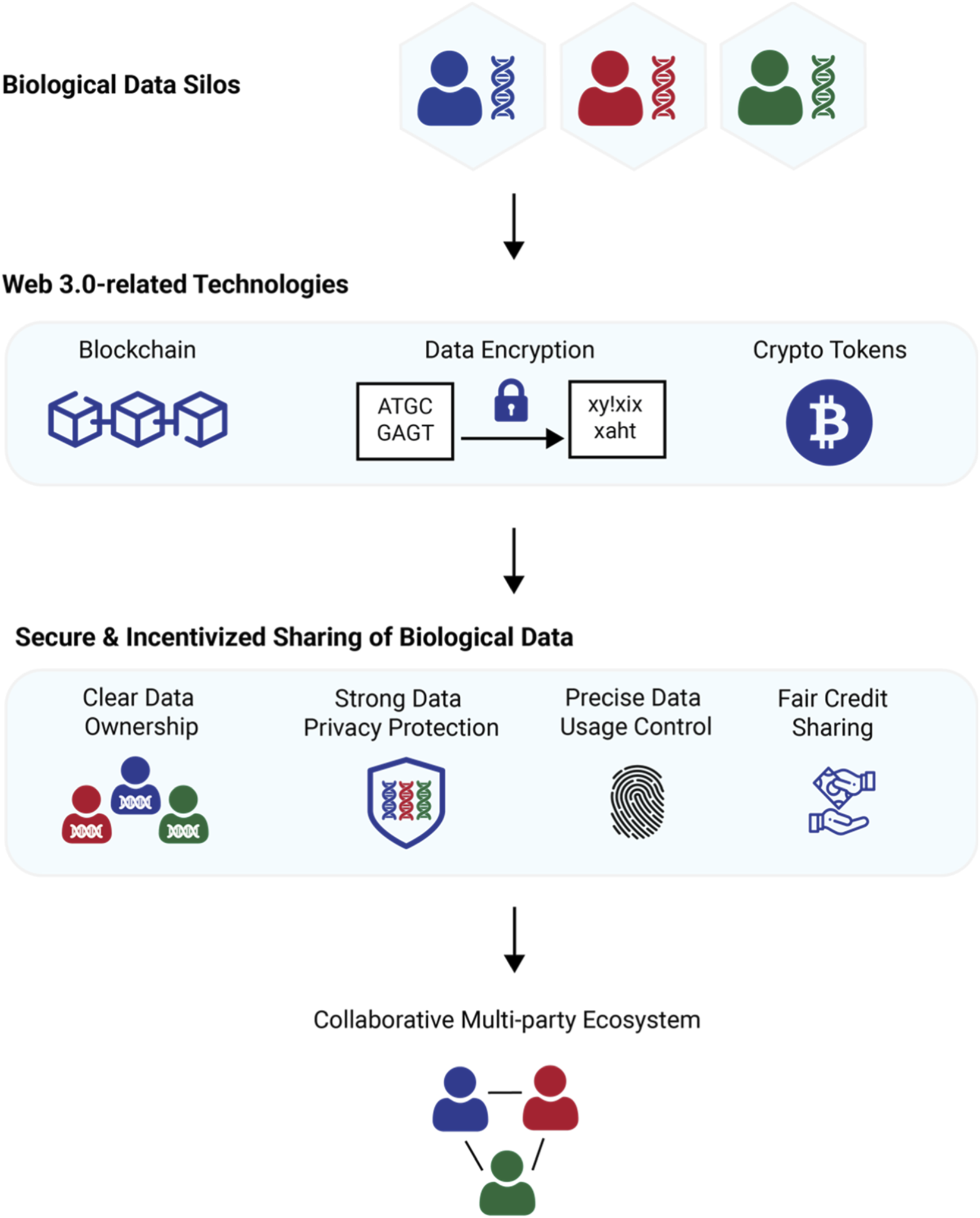
Start by configuring the technical infrastructure that bridges your raw data with a decentralized platform capable of handling token rewards. This setup ensures that data providers receive ERC-20 tokens for their contributions in a trustless environment, removing the need for a central intermediary to verify or distribute payments.
1. Connect the Data Source
Begin by integrating your data repository with the labeling platform. Whether using a local database or a decentralized storage solution like IPFS, the platform must be able to ingest raw data and push labeled outputs back securely. This connection forms the backbone of the workflow, ensuring data integrity from ingestion to final reward distribution.
2. Configure the Smart Contract
Deploy or connect to a smart contract that manages the ERC-20 token rewards. This contract should be programmed to release tokens automatically when specific labeling criteria are met. As noted in research on Decentralized Data Labeling Platforms (DDLP), this mechanism creates a trustless environment where developers and researchers can rely on code rather than institutional reputation to ensure fair compensation.
3. Define Token Incentive Parameters
Set the tokenomics for the labeling tasks. Determine the reward amount per label, the threshold for quality verification, and the penalty structure for incorrect annotations. These parameters must be embedded into the smart contract logic to automate the incentive model, ensuring that contributors are motivated to maintain high accuracy without manual oversight.
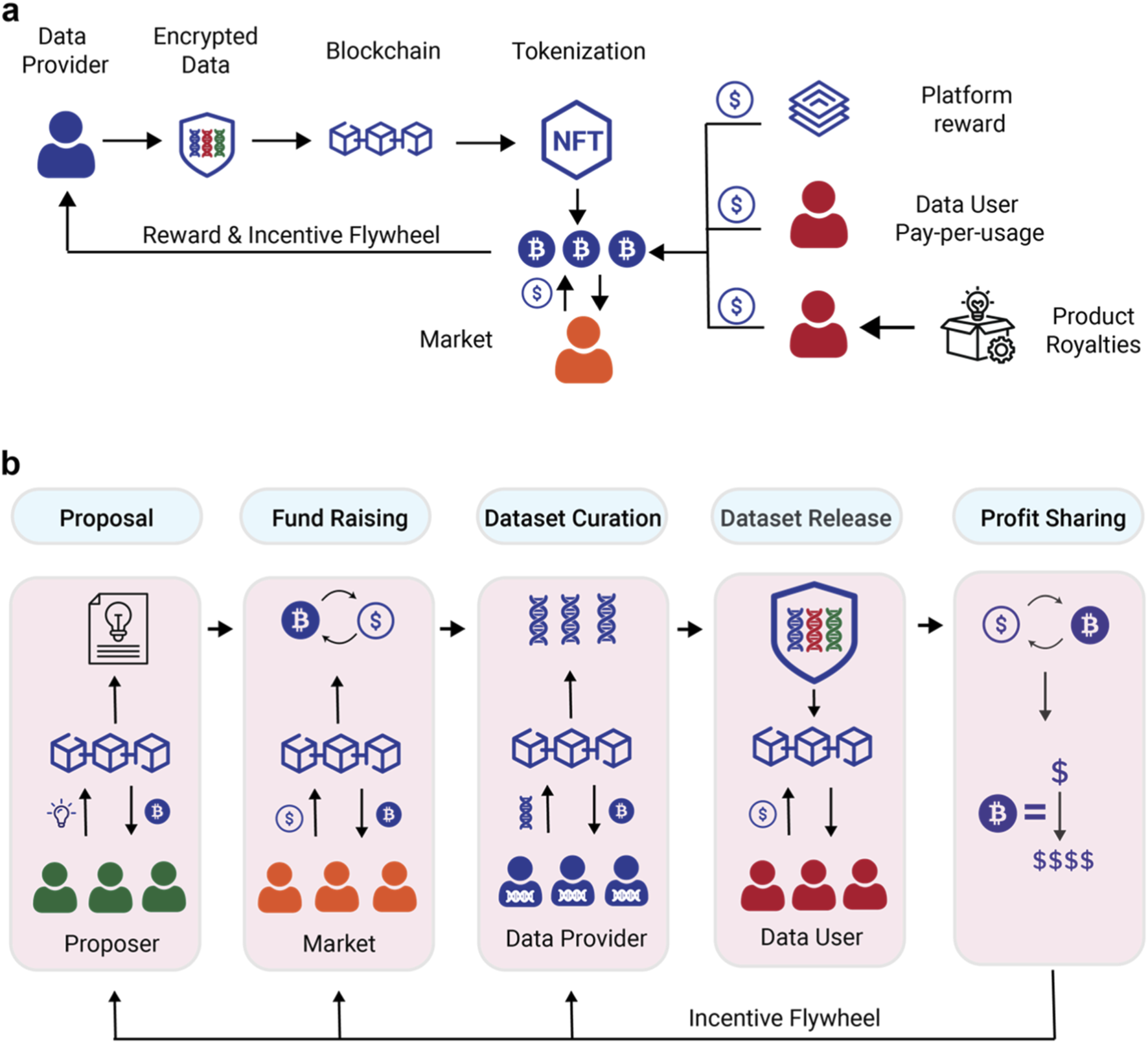
Link your raw data repository to the decentralized interface. Ensure the platform can ingest data and store outputs securely, forming the primary pipeline for the labeling workflow.
Deploy an ERC-20 compatible contract that automates reward distribution. This step replaces traditional payroll systems with code-based execution, ensuring trustless payment for completed tasks.

Define the reward rate and quality thresholds within the contract. Clear tokenomics encourage consistent participation and higher data quality from the labeling community.
By establishing this foundation, you create a self-sustaining loop where data quality is directly tied to financial incentive. The platform handles the distribution, allowing you to focus on the quality of the labeled data rather than the logistics of payment.
Define the token reward structure
To prevent spam and ensure high-quality datasets, your token incentive model must prioritize accuracy over volume. If you reward every completed task equally, annotators will rush through labels or submit random data just to collect tokens. This "gaming" of the system renders the resulting dataset useless for training reliable machine learning models.
1. Tie rewards to verification outcomes
Do not release tokens immediately upon task submission. Instead, implement a verification layer where a secondary annotator or an automated script reviews the work. Only after the label passes quality checks should the reward be minted or transferred. This structure mirrors successful models like the Deano project, where DAN tokens are awarded specifically for accurate data labeling, ensuring that contributors are compensated for value, not just effort [src-serp-2].
2. Implement penalty mechanisms
A robust economic model includes consequences for low-quality work. If an annotator’s labels are consistently flagged as incorrect during verification, their reward rate should decrease, or they may face temporary suspension from the labeling pool. This creates a reputation-based system where consistent accuracy is the most valuable asset.
Warning: If rewards are tied solely to task completion rather than quality verification, you risk flooding your dataset with noise. This makes the data labeling workflow inefficient and expensive in the long run.
3. Adjust for difficulty
Not all labeling tasks are equal. Assigning bounding boxes to complex medical images requires more cognitive load than simple text classification. Use a dynamic reward structure that scales token value based on task complexity and the required expertise level. This ensures that annotators are fairly compensated for difficult work, reducing turnover and maintaining dataset integrity [src-serp-7].
Integrate quality control mechanisms
Before releasing token rewards, you must validate the accuracy of submitted labels. Without a rigorous verification layer, incentivized labeling devolves into "reward farming," where labelers submit random or low-effort data simply to harvest tokens. This degrades the training dataset and wastes resources.
Implement a hybrid validation system that combines decentralized consensus with expert review. This approach balances scale with precision, ensuring that only high-quality, verified labels trigger payouts.
Compare QA Approaches
Choose a quality assurance model that aligns with your budget and latency requirements. The table below contrasts traditional centralized methods with decentralized consensus mechanisms.
| Method | Cost | Speed | Best For |
|---|---|---|---|
| Centralized Expert Review | High | Slow | Critical edge cases |
| Decentralized Consensus | Low | Fast | High-volume bulk labeling |
| Hybrid (Consensus + Expert) | Medium | Medium | Balanced accuracy and scale |
1. Deploy Consensus Algorithms
Use a majority-vote consensus mechanism to filter out noise. When multiple independent labelers annotate the same data point, the system compares their outputs. If a threshold (e.g., 3 out of 5 labelers) agrees on a specific label, the system accepts it as valid.
This method is cost-effective for high-volume tasks. It leverages the "wisdom of the crowd" to identify obvious errors without human intervention. However, it can fail if a group of bad actors colludes to submit incorrect labels en masse.
2. Add Expert Review Layers
For complex or ambiguous data points, route submissions to a verified expert. Experts are trusted labelers with higher reputation scores or specialized credentials. They review edge cases that the consensus algorithm flagged as low-confidence or conflicting.
Only after an expert validates these difficult samples are tokens released. This ensures that your model receives high-fidelity training data for the most challenging scenarios. While slower and more expensive, this step is critical for preventing model bias.
By combining these two layers, you create a robust safety net. The consensus algorithm handles the bulk of the work quickly, while expert review catches the nuanced errors that algorithms miss.
Launch and scale the annotation team
Launching a token-incentivized data labeling workflow requires more than just deploying smart contracts; it demands a structured onboarding process that filters for quality while rewarding participation. The goal is to build a workforce that is both large enough to handle volume and disciplined enough to maintain high annotation standards. By treating annotators as economic stakeholders rather than passive laborers, you align their incentives with the long-term health of your dataset.
Before inviting users, your token distribution and reward logic must be immutable and transparent. Deploy your incentive contracts on a testnet first, then conduct a formal audit to ensure that reward calculations cannot be manipulated. This step establishes trust, which is the currency of decentralized communities. Without verified security, high-quality annotators will avoid your platform due to the risk of reward theft or contract failure.
Do not grant full access immediately. Create a tiered system where new annotators start in a "probation" phase with lower stakes and simpler tasks. Require them to pass a standardized accuracy test to unlock higher-reward tiers. This mimics traditional quality assurance but adds the benefit of token-based progression. Annotators who demonstrate consistency earn more tokens per task, creating a clear career path within the platform.
As your team grows, rely on reputation scores rather than manual supervision. Use on-chain history and peer-review consensus to automatically adjust an annotator’s access level. High-reputation users can access complex tasks with higher token payouts, while low-scoring users are restricted to easier work or removed from the pool. This automated scaling allows you to expand from dozens to thousands of annotators without a proportional increase in management overhead.
To ensure a smooth launch, verify that your technical infrastructure is ready to handle concurrent submissions and that your legal disclaimers regarding token rewards are compliant with local regulations. A well-structured onboarding funnel reduces churn and ensures that the tokens you distribute are earned through genuine, high-quality labor.
Common labeling mistakes and fixes
Decentralized data labeling introduces unique risks that centralized platforms often avoid. When incentives are misaligned, labelers may prioritize speed over accuracy, leading to noisy datasets that degrade model performance. Identifying these pitfalls early allows you to correct the workflow before bad data becomes entrenched.
The Rush for Volume
A frequent error is designing token rewards that scale strictly with the number of annotations completed. This structure encourages "labeler fatigue" and rapid, low-effort submissions. Labelers may submit guesses rather than careful observations to maximize their daily earnings. To fix this, tie token distribution to verified accuracy scores rather than raw volume. Implement a stake mechanism where labelers lock tokens as a bond, which is slashed for inconsistent or low-quality work. This shifts the focus from quantity to precision.
Inconsistent Ground Truth
Without a centralized quality assurance team, defining the "correct" label can become subjective. Different labelers may interpret ambiguous data points differently, creating a fragmented ground truth. If the protocol does not enforce a clear annotation guideline, the resulting dataset will be noisy. Establish a strict, documented standard for edge cases. Use a consensus mechanism where multiple independent labelers must agree on a label before it is accepted and rewarded. This reduces individual bias and ensures consistency across the dataset.
Ignoring Contextual Nuance
Token incentives often fail to account for the complexity of the data. Simple tasks like bounding box drawing may be over-rewarded, while nuanced tasks like sentiment analysis or medical transcription are under-compensated. This leads to a shortage of skilled annotators for difficult categories. Adjust your incentive tiers to reflect task difficulty and required expertise. Offer higher per-unit rewards for complex classifications or require specific credentials for specialized data types.
No comments yet. Be the first to share your thoughts!