
How token-incentivized data labeling works
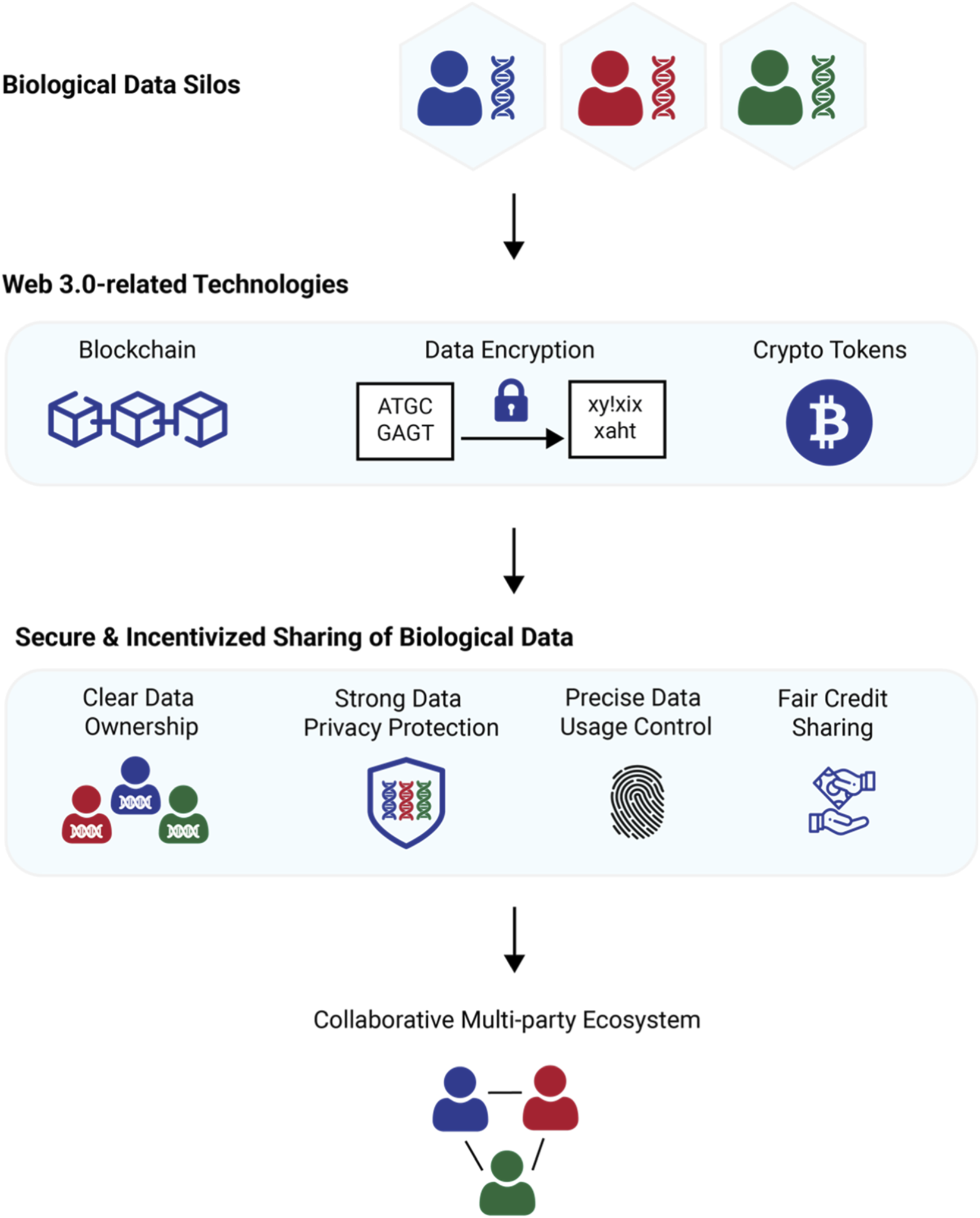
Token-incentivized data labeling replaces fixed hourly wages with dynamic rewards distributed via smart contracts. The core mechanism operates on a verification loop: annotators submit labels, an on-chain or hybrid oracle system validates accuracy, and ERC-20 tokens are automatically transferred upon approval. This structure aligns annotator income directly with data quality rather than time spent.
The process begins when a dataset is tokenized and uploaded to a decentralized platform. Smart contracts define the reward parameters, such as token value per bounding box or classification. Annotators access the task queue, apply labels to raw data, and submit their work. The system then compares submissions against consensus mechanisms or ground-truth datasets. If the annotation meets the predefined accuracy threshold, the smart contract executes the token transfer instantly.
This automation removes the need for manual payroll processing and reduces the risk of fraudulent time-sheet reporting. As noted in research on decentralized data labeling platforms, this architecture allows for dynamic reward adjustments based on real-time data quality metrics, ensuring that high-precision contributions are compensated more generously than low-effort submissions [1]. The result is a self-correcting ecosystem where the token value reflects the actual utility of the labeled data for machine learning models.
Setting up the decentralized annotation workflow
Deploying a token-incentivized data labeling task requires a structured pipeline that connects data upload to smart contract execution. The goal is to create a transparent, automated workflow where annotators are rewarded for accuracy and vendors receive high-quality training data.
1. Prepare and upload raw data
Begin by curating the raw dataset you wish to label. Whether it is image, text, or audio data, ensure it is clean and properly formatted for the target AI model. Upload this data to the decentralized platform’s storage layer, such as IPFS or Arweave, to guarantee immutability and accessibility for all network participants. The platform will generate a unique hash for the dataset, which serves as the reference point for all subsequent labeling activities.
2. Define labeling guidelines and token rewards
Clear instructions are critical for maintaining data quality. Draft detailed labeling guidelines that specify the taxonomy, edge cases, and expected output format. Simultaneously, determine the token reward structure. This involves setting the price per label, bonus multipliers for high-agreement annotations, and penalty structures for low-quality work. These parameters are encoded into the smart contract, ensuring that rewards are distributed automatically based on predefined conditions rather than manual oversight.
3. Configure the smart contract and launch the task
Deploy or interact with the platform’s smart contract to initialize the labeling task. This step locks the reward pool and registers the dataset hash on-chain. Once the contract is live, the task becomes visible to the annotator community. Annotators can now browse the task, review the guidelines, and begin submitting labels. The decentralized nature of the network allows for parallel processing, significantly accelerating the labeling timeline compared to traditional centralized vendors.
4. Validate annotations and distribute tokens
As annotations are submitted, the platform’s consensus mechanism or quality assurance module evaluates them. This may involve cross-checking multiple annotators’ inputs or using automated validation scripts. Once the data is verified, the smart contract automatically distributes tokens to the annotators’ wallets. The labeled dataset is then marked as complete and available for model training. This end-to-end automation reduces administrative overhead and ensures that every participant is compensated fairly and promptly.
Ensuring quality in decentralized labeling
Decentralized data labeling shifts quality control from a central manager to the network itself. Instead of relying on a single vendor to verify annotations, the system uses economic incentives and consensus mechanisms to filter out low-quality work. This approach requires three specific layers: staking, cross-validation, and reputation.
Layer 1: Staking for Accountability
To prevent spam or malicious labeling, labelers must stake tokens before accessing a dataset. This financial commitment creates a direct cost for poor performance. If a labeler’s output is flagged as incorrect during validation, a portion of their stake is slashed (burned) and redistributed to the validators who caught the error. This mechanism, often implemented via ERC-20 tokens on Ethereum smart contracts, ensures that labelers have skin in the game. Without this barrier, bad actors could flood the network with low-effort data without consequence.
Layer 2: Cross-Validation Consensus
No single labeler’s opinion is trusted. Every data point is sent to multiple independent labelers—typically three or more—who work simultaneously. The system then compares these submissions. If two labelers provide the same correct label, and one disagrees, the majority view wins. The outlier is flagged for review or penalized. This "truth-by-consensus" model mirrors how human review panels operate but at scale. It relies on the statistical probability that random errors will cancel out, while consistent, high-quality work will align.
Layer 3: Reputation and Token Weight
Not all labelers are equal. The system tracks individual performance over time, building a on-chain reputation score. High-reputation labelers are assigned more complex or higher-value tasks. In some advanced models, their votes carry more weight in the consensus process, effectively giving their expertise more "token power." This creates a meritocratic hierarchy where quality is rewarded with better access to lucrative labeling jobs, while low-quality actors are gradually excluded from high-value datasets.
Centralized vs. Decentralized QA
The shift from centralized to decentralized quality assurance changes who holds the power and how errors are handled.
| Feature | Centralized QA | Decentralized QA | Primary Risk |
|---|---|---|---|
| Verification Method | Human review by managers | Smart contract consensus | Bottlenecks |
| Incentive Structure | Fixed hourly wage | Token rewards + staking | Collusion |
| Error Correction | Post-hoc audit | Real-time slashing | False positives |
| Scalability | Limited by headcount | Global crowd | Network latency |
This structure ensures that quality is not an afterthought but a built-in property of the data market. By aligning financial incentives with accuracy, the system self-corrects, reducing the need for expensive manual oversight.
Choosing the right token incentive model
Selecting the correct incentive structure determines whether your data labeling network thrives on volume or accuracy. The three primary models—fixed ERC-20 rewards, dynamic quality-based scaling, and gamified token structures—serve different stages of project maturity and quality requirements.
Fixed ERC-20 Rewards
Fixed rewards distribute a set amount of tokens per completed annotation. This model is straightforward to implement and predict for budgeting, making it ideal for large-scale, low-complexity tasks where human oversight is minimal. However, it offers no financial leverage to improve labeler accuracy, often leading to "click farming" where speed is prioritized over precision.
Dynamic Quality-Based Scaling
Dynamic models adjust rewards based on the verified quality of the output. If a labeler’s work passes consensus checks or expert review, they receive a multiplier; if it fails, the payout is reduced or voided. This aligns the labeler’s financial interest with data integrity. As noted in industry analyses, Web3 infrastructure allows these rewards to be distributed instantly while dynamically adjusting based on data quality, effectively incentivizing high-fidelity annotations over volume.
Gamified Token Structures
Gamification introduces competitive elements such as leaderboards, streaks, and tiered access to higher-paying tasks. Projects like Sapien have raised significant funding to gamify data labeling, using blockchain-based rewards to create a more engaging experience for human labelers. This model is best suited for platforms seeking high retention and community building, though it requires more complex smart contract logic to manage tiers and anti-cheating measures.
Evaluation Checklist
Use this checklist to determine which model fits your specific data needs:
-
Task Complexity: Is the labeling task simple and repetitive, or does it require nuanced judgment?
-
Quality Tolerance: Can you afford some noise in the dataset, or is 99% accuracy mandatory?
-
Budget Predictability: Do you need fixed costs per annotation, or are you willing to pay premiums for verified quality?
-
User Engagement: Is building a long-term community of labelers a strategic goal?
Frequently asked questions about Web3 data annotation
How does data labeling work?
Data labeling annotates raw data with meaningful labels, providing context and categorization for machine learning (ML) models to understand. These labels serve as essential guides for ML models, enabling them to interpret data effectively. In a Web3 context, this process is often decentralized, allowing contributors to work on specific tasks without relying on a single centralized entity.
What is the incentive model in Blockchain?
A crypto incentive model is the system of rewards, penalties, and economic rules designed to encourage desired behavior within a blockchain network. These behaviors can include securing the network or providing liquidity. In data annotation, these models use token-based rewards to incentivize high-quality work, ensuring contributors are motivated to provide accurate labels.
How are payments handled in Web3 data labeling?
Smart contracts automate payment distribution based on predefined conditions. This means contributors receive tokens immediately upon task completion or verification, removing the need for traditional invoicing or payroll systems. This automation reduces administrative overhead and ensures transparency in reward distribution.
Put How Token-Incentivized Data Labeling is Reshaping AI Training into practice
No comments yet. Be the first to share your thoughts!