
Why AI needs better training data
The current trajectory of artificial intelligence is constrained by a fundamental bottleneck: the quality of training data. As models grow larger, the demand for precise, diverse, and verified datasets outpaces the capacity of traditional labeling pipelines. Conventional methods often rely on centralized platforms with low annotator motivation, leading to high error rates and inconsistent output. This inefficiency creates a drag on innovation, forcing developers to spend disproportionate resources on cleaning and verifying the very fuel that powers their algorithms.
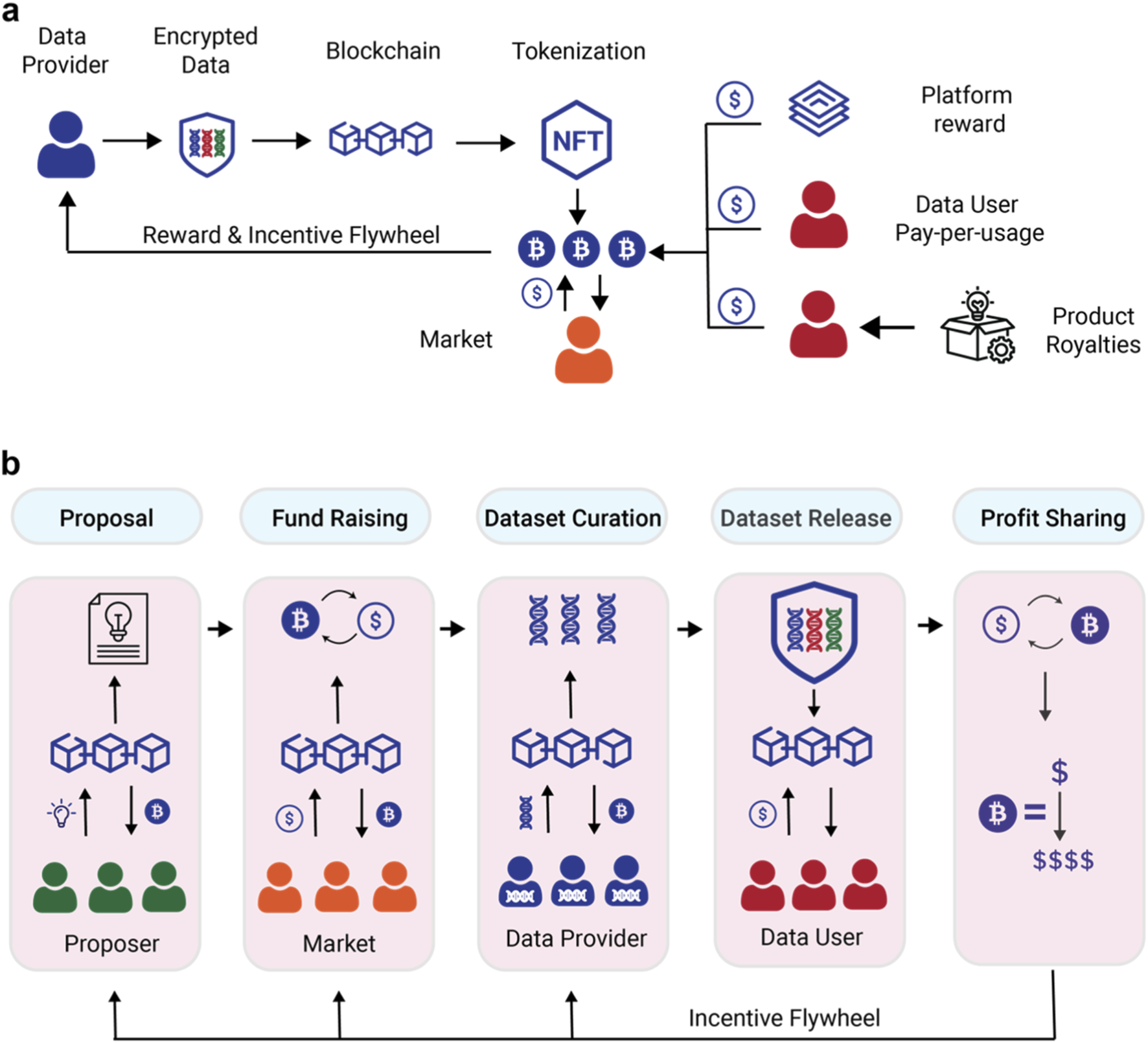
Token-incentivized data labeling emerges as a structural solution to these inefficiencies. By integrating blockchain technology, projects can align the economic interests of data contributors with the quality requirements of AI developers. Instead of fixed, often low wages, labelers are rewarded with tokens based on the verified utility and accuracy of their contributions. This mechanism addresses the "garbage in, garbage out" problem by making high-quality data a directly monetizable asset.
Projects like Sapien, Deano, and LabelFi are pioneering this shift. They utilize token economic models to incentivize labelers to provide high-quality contributions, effectively decentralizing the labeling workforce. This approach not only scales the available talent pool globally but also introduces transparency into the data provenance chain. As noted in recent analyses of blockchain-driven AI annotation, this synergy between data labeling and blockchain technology offers a pathway to more robust and trustworthy AI systems.
Sapien: Gamifying the labeling workflow
Sapien has carved out a distinct niche in the token-incentivized data labeling sector by applying gamification mechanics to the traditionally tedious task of AI model training. Rather than relying solely on monetary micro-payments, the platform integrates blockchain-based rewards, such as crypto tokens, to incentivize human labelers to produce high-quality data. This approach transforms data annotation from a monotonous chore into an engaging, competitive activity, directly addressing the retention challenges that plague many data labeling platforms.
The core mechanism involves a "gamified" interface where users earn tokens for accuracy and speed. These tokens can be exchanged or held, creating a direct economic feedback loop. By aligning the financial interests of the labelers with the quality of the output, Sapien aims to increase both the volume and the reliability of the labeled datasets. This model has attracted significant attention, evidenced by the company's $5 million raise, which underscores investor confidence in gamified labor markets for AI development.
The implications for AI developers are substantial. Access to a larger, more motivated pool of labelers means faster turnaround times and potentially lower costs per label. As the demand for high-quality training data grows, platforms like Sapien offer a scalable solution that balances economic efficiency with human engagement. This model suggests that the future of data labeling may rely less on passive crowdsourcing and more on active, incentivized communities.
Deano: Decentralized annotation on ETHGlobal
Deano represents a technical implementation of decentralized labeling designed to solve the trust deficit in AI data markets. Built as an ETHGlobal showcase project, it leverages the ERC-20 standard to create a trustless environment where data vendors and annotators can interact without intermediaries. This approach shifts the paradigm from centralized curation to community-driven quality assurance.
The platform incentivizes accuracy through its native DAN token. Annotators who provide high-quality labels are rewarded with these tokens, creating a direct economic link between data precision and compensation. This mechanism ensures that the data fed into AI models is not only abundant but also verified by a distributed network of contributors rather than a single point of failure.
By utilizing ERC-20 token mechanics, Deano establishes a transparent ledger of contributions. Developers and researchers gain access to a reliable dataset where the provenance of each label is recorded on-chain. This transparency reduces the risk of data poisoning and ensures that the incentives align with the goal of producing clean, usable training data for machine learning applications.

LabelFi: Fair access for global labelers
LabelFi operates on a straightforward premise: token incentives should bridge the gap between AI development and the global workforce that powers it. By distributing ownership through tokens, the platform allows users in emerging markets to participate directly in the value chain, rather than remaining peripheral contributors. This model addresses geographic disparities by ensuring that compensation is not tied to Western wage standards, but to the actual contribution of data quality.
The platform’s mechanism is designed to be inclusive. As noted in their official communications, LabelFi enables global users to "participate and share in the benefits of AI development" through a fair token incentive structure. This approach transforms data labeling from a low-wage gig into a stakeholder opportunity, where contributors hold equity in the ecosystem they help build.
This equitable access is critical for the longevity of token-incentivized data labeling projects. By lowering barriers to entry, LabelFi attracts a diverse pool of labelers, which improves data diversity and reduces bias. The result is a more robust dataset and a more resilient economic model for the labelers themselves.

Comparing token models for data quality
Token incentive structures are not interchangeable; they dictate the specific behaviors of data contributors. By analyzing the economic models of Sapien, Deano, and LabelFi, we can see how different reward mechanisms directly influence the accuracy and reliability of the resulting datasets.
The table below contrasts the core tokenomics of these three projects, highlighting the trade-offs between standard utility tokens, reputation-weighted systems, and hybrid verification models.
| Project | Token Type | Incentive Mechanism | Quality Focus |
|---|---|---|---|
| Sapien | ERC-20 Utility | Task completion & staking | Reputation-based filtering |
| Deano | Reputation Token | Skill-weighted rewards | Expertise verification |
| LabelFi | Hybrid | Verification & consensus | Multi-agent validation |
Sapien relies on a standard ERC-20 utility model, where incentives are distributed primarily through task completion and staking. This approach is straightforward but requires robust reputation systems to filter out low-quality submissions, as noted in IEEE research on decentralized labeling platforms. The system assumes that consistent participation naturally correlates with reliability.
Deano takes a different approach by tying rewards directly to reputation tokens. Here, the value of a contribution is weighted by the labeler’s verified skill level. This mechanism discourages spam and encourages specialization, ensuring that complex labeling tasks are handled by qualified contributors rather than generalists.
LabelFi employs a hybrid model that combines token rewards with multi-agent verification. By requiring consensus among multiple independent agents before a label is finalized, the project minimizes the risk of individual bias or error. This verification-heavy structure is particularly effective for high-stakes data where accuracy is more critical than volume.
No comments yet. Be the first to share your thoughts!