
Set up the smart contract layer
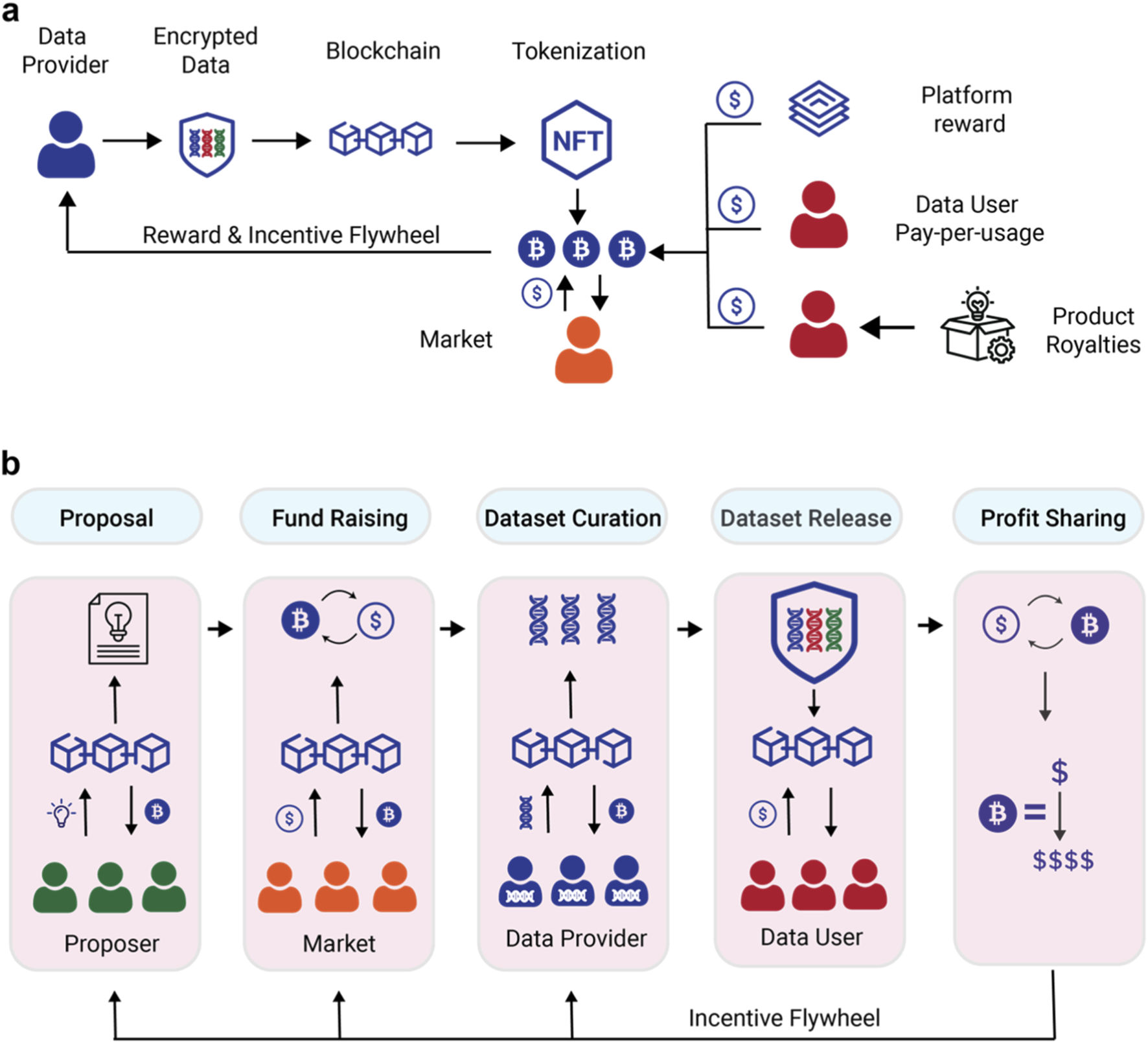
The foundation of a token-incentivized data labeling system relies on a transparent, automated reward mechanism. By deploying an ERC-20 token standard, you establish a programmable currency that distributes payments instantly upon verification. This approach eliminates the friction of traditional payroll systems and ensures that labelers are compensated fairly and immediately for their contributions.
Research into decentralized data labeling platforms (DDLP) confirms that Ethereum smart contracts provide the necessary infrastructure for these interactions. The smart contract acts as the trustless middleman, holding the reward pool and releasing tokens only when predefined quality criteria are met. This transparency is critical for building trust in a decentralized workforce.
Deploy the Token Contract
First, you must deploy the token contract that will serve as the unit of value for your labeling tasks. This token should be minted with a fixed supply or a clear emission schedule to prevent inflation from devaluing the rewards. The contract must include standard functions like transfer and approve to allow for seamless interactions with the labeling interface.
// SPDX-License-Identifier: MIT
pragma solidity ^0.8.0;

import "@openzeppelin/contracts/token/ERC20/ERC20.sol";
import "@openzeppelin/contracts/access/Ownable.sol";

contract LabelToken is ERC20, Ownable {
    constructor() ERC20("LabelToken", "LBL") {
        _mint(msg.sender, 1000000 * 10**18);
    }

    function mint(address to, uint256 amount) public onlyOwner {
        _mint(to, amount);
    }
}
Create the Reward Pool Contract
Next, deploy a separate contract that manages the distribution of these tokens. This contract should hold a reserve of the tokens and expose functions to allocate rewards to specific labelers. It must integrate with your off-chain oracle or verification system to confirm that labeling work has been completed accurately.
Set the reward rate per labeled item in your smart contract. Ensure the contract can handle fractional token amounts to allow for precise payouts based on task complexity or quality scores.
Connect the reward contract to your data verification layer. The contract should only release tokens when the oracle confirms that the labeled data meets the required accuracy threshold.

Before full deployment, run a pilot test with a small group of labelers. Verify that tokens are minted and transferred correctly, and that the contract reverts transactions if verification fails.
By structuring your incentive layer this way, you create a robust economic model that aligns the interests of data labelers with the quality of the AI models they help train. The smart contract becomes the single source of truth for all reward transactions, reducing administrative overhead and increasing participant retention.
Define quality gates and verification
Token incentives alone cannot guarantee accuracy; without strict verification, your workflow invites sybil attacks and low-quality submissions. To protect the integrity of your dataset, you must implement multi-sig verification or consensus-based reward release. This ensures that labels are validated by multiple independent sources before any tokens are distributed.
1. Establish Consensus Thresholds
Require multiple annotators to label the same data point before a submission is accepted. This consensus mechanism filters out random or malicious entries. For example, if three independent workers must agree on a label, the probability of a sybil attack succeeding drops significantly. This approach aligns with Web3 principles where distributed validation replaces single points of failure, ensuring that only high-confidence data triggers the next stage of the pipeline.
2. Implement Multi-Sig Verification for Rewards
Use smart contracts to automate payment distribution based on predefined quality conditions. Instead of paying immediately upon submission, hold the tokens in escrow until a verification committee or a secondary set of validators confirms the accuracy. This multi-sig approach prevents "token farming," where users submit random data to earn rewards without ensuring accuracy. By decoupling submission from immediate payout, you force a final quality check that protects your budget.
3. Automate Dispute Resolution
Define clear rules for when validators disagree. If consensus is not reached within a set time or confidence level, flag the data point for manual review by a senior annotator or an oracle network. This step ensures that edge cases are handled correctly without stalling the entire workflow. Automated dispute resolution keeps the system moving while maintaining a high bar for data quality, ensuring that your token-incentivized data labeling workflow remains both efficient and trustworthy.
Connect the labeling interface
Integrating the frontend annotation tool with the blockchain backend transforms a standard data entry form into a trustless reward system. The goal is to ensure that every label submitted by a user is immediately verifiable and eligible for token distribution without manual oversight. This connection relies on a smart contract that acts as the source of truth for reward accrual.
1. Initialize the Web3 Provider
Start by connecting the user’s wallet to your labeling application. Use a library like ethers.js or wagmi to detect the user’s account and chain ID. This step ensures that the application knows who is submitting data and can verify their eligibility against the smart contract’s registry. Without this connection, the frontend cannot sign transactions or request rewards.
2. Implement the Submission Transaction
When a user finishes annotating a data point, the frontend must trigger a transaction to the smart contract. Instead of just saving the label to a database, the application should call a function like submitLabel(dataId, label, metadata). This transaction broadcasts the annotation to the blockchain, where it is recorded immutably. Projects like Sapien use this method to gamify the experience, ensuring that rewards are tied directly to on-chain activity rather than off-chain estimates.
3. Verify Reward Accrual in Real Time
The final step is updating the user interface to reflect the new token balance. Once the transaction is confirmed, the frontend should listen for RewardAccrued events emitted by the contract. Displaying this feedback instantly reinforces the incentive loop. As seen in initiatives like Deano, this immediate visibility of token incentives encourages annotators to maintain high accuracy, creating a win-win dynamic between data vendors and contributors.
Connect the user’s wallet to the application using a standard provider like MetaMask. Verify the connected account matches the registered annotator address in your smart contract to prevent unauthorized submissions.
Trigger a blockchain transaction when the user clicks "Submit." Pass the data ID and label as arguments to the smart contract function. This ensures the annotation is recorded on-chain, making it immutable and eligible for automated reward distribution.
Listen for RewardAccrued events from the contract to update the user’s token balance immediately. This visual feedback closes the incentive loop, confirming that their labor has been verified and compensated.
Audit the dataset for bias
Token incentives can inadvertently skew your dataset toward low-effort annotations or specific demographics. When rewards are tied strictly to volume, labelers may rush through complex cases or favor easier, more common classes. To maintain ethical AI standards, you must verify that the incentive structure does not compromise data quality or diversity.
Start by sampling a random subset of labeled data before and after incentive implementation. Compare the distribution of classes against your ground truth. If certain demographics or edge cases drop in frequency, adjust the token rewards to prioritize underrepresented or difficult examples. This prevents the "rich get richer" effect where popular data points dominate the training set.
Use a checklist to verify diversity metrics across key dimensions such as age, gender, language, or geographic origin. Ensure that the token distribution rewards accuracy and nuance, not just speed. Regular audits help maintain a balanced dataset that reflects the real world, ensuring your model performs fairly across all user groups.
-
Verify class distribution matches target demographics
-
Check for correlation between high-reward tasks and lower accuracy
-
Audit for demographic skew in high-volume contributions
-
Adjust token weights to penalize rushed or low-quality labels
No comments yet. Be the first to share your thoughts!